Last updated November 18, 2026
Free written scope consultation - allowances, timeline, and change-order rules on paper before a single trade is scheduled
Choosing the Right Construction Brand: A Buyer’s Guide for Enterprise
Here’s a counterintuitive fact about the construction industry: the brand name printed on your roofing shingles, window frames, or exterior siding is not a quality guarantee. It’s a quality opportunity that only gets realized if the contractor installing it is credentialed to do so. Manufacturers void installation warranties when non-certified crews do the work, regardless of how premium the product is. That’s the single biggest blind spot in how homeowners choose construction brands. This guide walks you through what brand partnerships actually mean for warranty enforcement, parts availability, and contractor accountability in the real world. We’ll cover how to verify credentials, read a warranty before you sign, and understand which product categories actually reward brand specification. If you’re planning a project in Enterprise, this is the groundwork you need before you start pricing.
Quick Answer
Choosing the right construction brand starts with understanding that a product warranty and an installation warranty are two separate contracts, and both need to be in writing before work starts. The best brand for your project is the one whose manufacturer credentials your contractor actually holds – something you can verify directly with the brand, not take on faith. In Enterprise, that distinction matters most for roofing, windows, and exterior systems that face brutal desert heat cycles, where installer error accounts for far more failures than defective products.
Styles & brands we work with
- Kitchen remodeling
- Bathroom remodeling
- Home additions & ADU
- Roofing
- Windows & doors
- Driveway & pavers
- Fence
Table of Contents
- Why Brand Labels Don’t Guarantee Quality
- How Manufacturer Credentialing Programs Actually Work
- Product Warranty vs. Installation Warranty: What’s the Difference?
- Where Brand Specification Pays Off (and Where It Doesn’t)
- Evaluating Brand Longevity in a Desert Climate
- What Brand Partnerships Really Signal About a Contractor
- How to Verify a Contractor’s Brand Status: 6 Steps
- Common Mistakes to Avoid
Why Brand Labels Don’t Guarantee Quality
Walk through any big-box store in Enterprise and you’ll see the same trusted names on shingles, windows, and siding. Those brands earned their reputations. But a brand label tells you almost nothing about the installation quality you’ll actually get. The manufacturer of that product isn’t on your roof at 6 a.m. in 40-degree morning temperatures or watching the moisture barrier get tacked down wrong. The contractor is.
Here’s what most homeowners miss: manufacturers know this. That’s why practically every major building product brand runs a credentialing or certification program. GAF has its Master Elite program. CertainTeed has SELECT ShingleMaster. James Hardie has its Alliance Contractor program. These aren’t marketing badges. They’re the manufacturer’s way of saying “we’ve trained and vetted this contractor to install our product correctly, and we stand behind their work.”
When a non-credentialed contractor installs a certified product, the manufacturer typically voids or severely limits the installation portion of the warranty. You’re left with a high-end shingle on your roof and a warranty that covers only defects in the material itself, not failures caused by installation – which is where the vast majority of problems originate.
The choice of brand matters less than the credibility of the company putting it in. Our approach at Groundwork Construction Co. of Enterprise home is built on exactly that principle: we partner with brands whose warranty terms we can actually enforce on your behalf, because we’ve done the credentialing work to hold up our end.
How Manufacturer Credentialing Programs Actually Work
Manufacturer credentialing isn’t a sticker a contractor buys. It’s a process, and understanding how it works is your best defense against hiring someone whose credentials are either expired or invented.
Most programs follow a similar structure:
- Financial and licensing vetting. The manufacturer checks that the contractor carries required state licenses, insurance, and a clean operating history. This is where unreliable companies get screened out.
- Training and certification. The contractor’s technicians complete manufacturer-specific training on proper installation methods for that product line. This isn’t generic construction knowledge – it’s the specific fastener patterns, underlayment requirements, and flashing methods for that exact system.
- Workmanship warranty commitments. Certified contractors must offer workmanship warranties that meet the manufacturer’s threshold. This is the exchange: the contractor agrees to stand behind their labor, and the manufacturer backs them with extended material and labor coverage in return.
- Factory inspections or audits. Many programs include periodic inspections of completed work. GAF’s Master Elite program, for example, allows homeowners to request a post-installation assessment of their roof.
- Recertification. Credentials expire. Contractors have to maintain them through continued training, customer reviews, or re-inspection.
Nearly every major manufacturer publishes a “find a contractor” tool on its website. Before you sign anything, look up your contractor’s name there directly. If they’re not listed, ask why. Every credible firm should be one search away from verification.
Product Warranty vs. Installation Warranty: What’s the Difference?
The most expensive misunderstanding in residential construction is thinking you have one warranty when you actually have two – or worse, thinking you have a comprehensive warranty when you have only a limited product warranty that excludes installation.
The product warranty comes from the manufacturer. It covers defects in the material itself – a shingle that blisters prematurely, a window seal that fails before its rated life, a siding panel that delaminates. These are real coverages, but they’re limited. A window with a 20-year product warranty doesn’t mean your whole window system is protected for 20 years.
The installation warranty is what protects you against the far more common failure scenario: the product was fine, but the installer missed a step. Improperly flashed windows, under-driven fasteners, wrong vapor placement in desert construction – all of these are installation failures, not product failures. Product warranties don’t cover them. Installation warranties do.
Before any crew touches your home, you should have both warranties in writing, and you should be able to answer these questions:
- Which party is responsible if this fails due to installation error?
- What’s the workmanship warranty term, and what voids it?
- Does the manufacturer extend or enhance the warranty for licensed/credentialed installers?
- Is the warranty transferable if you sell your home?
- What’s the process for filing a claim, and how long does it take?
This is where our 730-Day Done Right Promise becomes a utility, not just a slogan. If something’s wrong because of how we did it, you’re covered in writing – for two full years, which is longer than the vast majority of workmanship warranties in residential construction. Manufacturers warranty products. We warranty our work.
Where Brand Specification Pays Off (and Where It Doesn’t)
Not every portion of a construction project benefits equally from brand-level specification. Knowing the difference saves you money where it doesn’t matter and protects you where it does.
Categories where brand specification is worth it
- Roofing systems. Shingle systems are tested as integrated systems, not individual components. GAF, CertainTeed, and similar lines have documented performance specs for their underlayments, fasteners, and venting. Mismatched components void the system warranty – so sticking with one manufacturer across the whole roof assembly matters.
- Windows and doors. Fenestration products have energy performance ratings (U-factor, SHGC) that are brand-specific and climate-specific. In Enterprise’s desert heat, the wrong glass package means a failed window in years, not decades. Brands like Therma-Tru on doors and ES Windows or ECO Window Systems on windows have spec sheets that make comparisons defensible.
- Exterior siding. James Hardie has a documented system for its fiber cement fiberboard, including fastening patterns and clearances. Non-credentialed installs void the warranty. That’s a real, enforceable consequence.
- Cabinetry and countertops. KraftMaid and Cambria operate the same credentialing model. Cabinet box construction and countertop edge profiles have meaningful quality variance between brands.
Categories where it matters less
Standard drywall, framing lumber, and concrete are far less differentiated – one major manufacturer’s structural lumber is functionally equivalent to the next. The brand of your studs isn’t what protects your project. It’s the framing specifications and inspection compliance. Don’t let a contractor upsell you on “premium” drywall brand when the specification should be about thickness, mold resistance rating, and code compliance for your jurisdiction.
Evaluating Brand Longevity in a Desert Climate
Enterprise is a harsh testing ground for exterior products. Summers routinely hit sustained triple-digit temperatures with aggressive UV exposure across the Las Vegas Valley, and the daily thermal cycle – hot days, cool nights – flexes roofing and window materials in ways that coastal or temperate climates don’t.
This changes how you should evaluate brands. Three factors matter most in a desert climate:
- Parts availability in the region. A window brand with no regional distribution network means 6-to-8-week lead times on replacement glass or sash hardware. When your kid throws a baseball through a tempered window in October, “ships from a warehouse in the Midwest” isn’t good enough. Stick with brands that have regional supply chains.
- UV and thermal-cycle testing. Ask whether the manufacturer’s specs include performance data for high-heat, high-UV exposure. A product rated for 30 years in Seattle has a very different service life in Enterprise.
- Brand longevity. When a manufacturer exits the market, the warranty often goes with it. Choose brands that have sustained regional presence – not a “new” manufacturer whose pricing is suspiciously good.
That’s why our partner lineup includes brands like GAF, CertainTeed, Andersen, Pella, and James Hardie. Not because they’re the flashiest logos, but because they have regional distribution, documented desert performance, and warranty programs we can actually enforce. If your project includes exterior work like a fence installation in Enterprise, the same logic applies – materials should be specified for the desert sun, not the brand’s national reputation.
What Brand Partnerships Really Signal About a Contractor
Manufacturers don’t partner with just anyone. The bar for a real credential is meaningful – financial vetting, license verification, insurance requirements, workmanship warranty thresholds, and a sustained customer satisfaction record. When you see real brand partnerships on a contractor’s website, it signals four things:
- A vetted operation. The contractor passed the manufacturer’s initial screening, which includes checking licenses and financial stability. That’s due diligence you don’t have to redo yourself.
- Purchasing power. Credentialed contractors buy at negotiated manufacturer rates, which translates to real material savings on your project – not just a discount you hear about in a sales pitch.
- Accountability structure. The manufacturer has a compelling interest in making sure the contractor installs the product right. That means inspections, reviews, and remediation pathways that exist above and beyond a homeowner’s normal recourse.
- Long-term commitment. Credentialing requires ongoing training, product knowledge updates, and recertification. It’s a signal that the contractor plans to be around when you have a problem in year five or year ten.
The opposite is also true. If a contractor quotes you on a premium roof but can’t name their credentialing status, the price difference between “premium” and “discount” may be mostly in the marketing material. The install quality will be whatever it is, and the installation warranty may be subject to terms you’ve never seen.
How to Verify a Contractor’s Brand Status: 6 Steps
This is the checklist we’d hand our own family before they hire anyone in Enterprise. Run through it before you sign a construction contract.
- Ask the question directly. “Which manufacturer credentialing programs do you currently hold?” A real credentialed contractor can name their programs without checking. They’ll also tell you which programs they don’t have – which is a good sign of honesty.
- Search the manufacturer’s website. Every major brand, from GAF to CertainTeed to James Hardie, publishes a locate-a-contractor tool. Search by your contractor’s business name and city. If they don’t show up, that’s your answer.
- Check the credential term. Credentials expire. Ask when theirs was last renewed and verify the current term covers your project’s installation date. A lapsed credential equals a voided warranty.
- Request sample warranty documents. Ask to see the actual product warranty and workmanship warranty language. Not a summary, the document. Look at exclusions carefully.
- Check state licensing. In Nevada, contractor licensing is administered by the Nevada State Contractors Board, and you can verify any contractor’s license status through their public lookup. This is free, fast, and non-negotiable.
- Review completed projects. Look for photos of work installed with the same materials you’re considering. A contractor with real credential experience will have project references using those systems.
Doing these six steps takes about an hour. Skipping them can cost you a full roof or a full window package.
Which Product Categories to Prioritize in Your Spec
Once you’ve verified credentialing, use that credential status to guide where you push for brand specification in your bid. Not all trades are equal.
High priority: roofing, windows, and exterior doors
These are the three areas where installation error, thermal cycling, and warranty enforcement intersect most dramatically. In Enterprise, a failed roof installation means a 100-degree-plus attic and possible interior water damage during the monsoon season. A window installed without proper flashing is a leak waiting for the first big rain. For windows and patio doors specifically, getting the right system matters – the difference between a Therma-Tru entry system and an unrated alternative shows up in both energy bills and long-term maintenance.
Medium priority: cabinetry, countertops, and appliances
Kitchen brands like KraftMaid and Cambria matter for quality and finish, but the failure consequences are more contained. A cabinet hinge that fails doesn’t risk your home’s structure. Still, brand-bounded warranties on soft-close mechanisms and countertop surfaces are worth putting in writing. For full-scope kitchen work, see our home additions and ADU planning in Enterprise guide for how the total build spec ties together.
Lower priority: hardscape
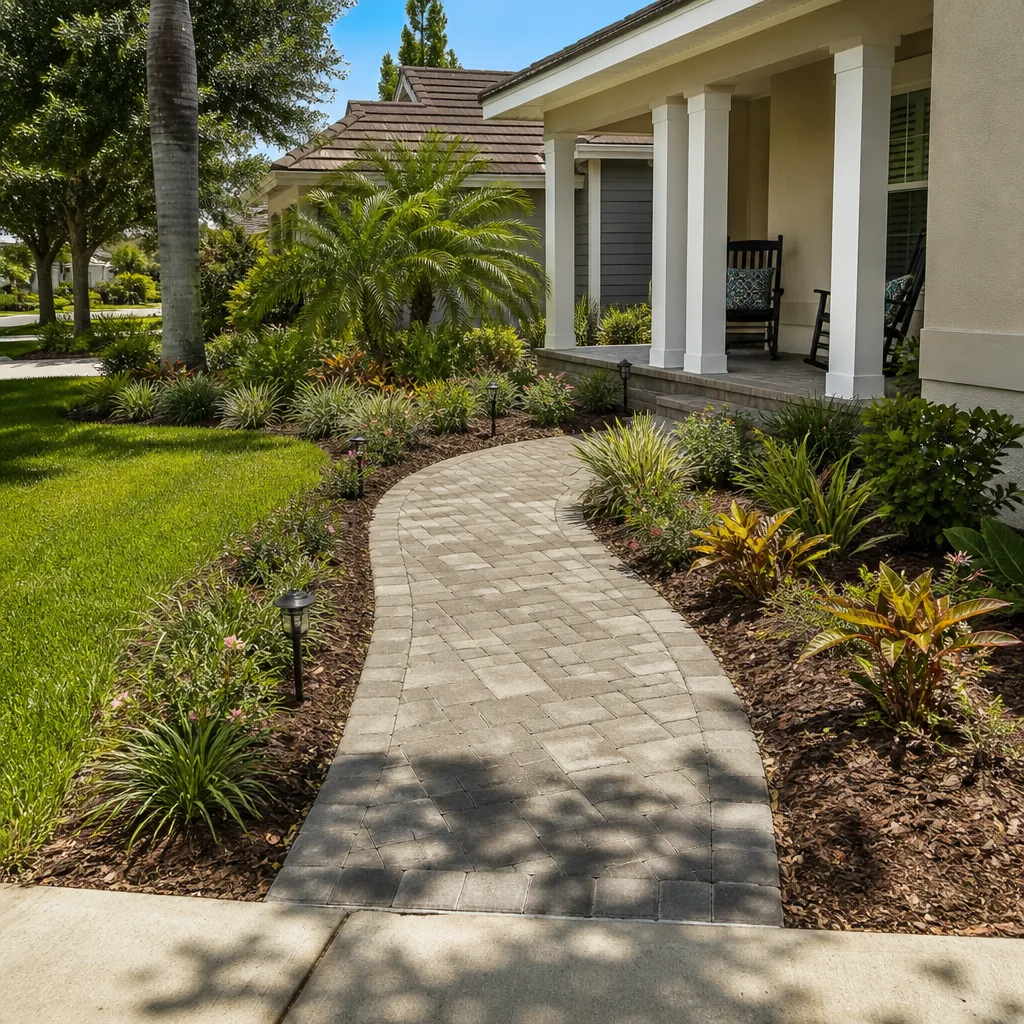
Paver brands like Belgard matter, but the installation method – base compaction, drainage, joint sand – matters more than the brand of the paver itself. This is an area where installation quality dominates. Our driveway and pavers in Enterprise page walks through the install sequence for the local climate.
How to Read a Brand Partnership Claim
Not every “we carry only top brands” claim carries the same weight. Here’s how to read what you’re actually being told:
- “We install [Brand].” – Basically means they buy the product. No credential. No enhanced warranty. Buyer beware.
- “We’re a certified installer of [Brand].” – Better. Ask which program specifically, and verify with the manufacturer.
- “We’re a [Brand] Master Elite / SELECT / Alliance / Platinum contractor.” – Credentialed, vetted, extended warranties likely. Verify directly, ask what the credential term is, and confirm it’s current.
- “We stock [Brand] products.” – Means they have inventory. Doesn’t mean installation quality. Read warranty terms carefully.
At Groundwork Construction Co., our brand partnerships are structured around manufacturers we can hold accountable alongside ourselves – KraftMaid, Kohler, GAF, CertainTeed, Andersen, Pella, Belgard, James Hardie, and others. Every partnership is built to serve the warranty we offer you: a 730-Day Done Right Promise that puts both product quality and installation quality in writing.
How to Compare Bids Without Getting Overwhelmed
When you have three bids in front of you, they likely won’t line up cleanly. One will include premium shingles, one will include a middle-tier product with brand credentialing, and one will be suspiciously cheap. Here’s a fair comparison method:
- Adjust for the scope. Does the bid include permits, tear-off, and disposal? In Enterprise, roofing permits are required for replacements. If a bid excludes them, add that cost before comparing.
- Identify the product quantity and brand tier within each bid. Two bids for a “premium” shingle can be the same brand but different product lines.
- Ask each contractor for the exact warranty language. Compare workmanship terms, exclusions, and who to call if something fails.
- Confirm credential status for each candidate contractor. Run the 6-step check above on all three. If one fails verification, they’re out.
- Look at the hidden line items. Change orders, dump fees, permit pull fees. A bid that excludes these is going to cost more than you thought.
Our response to this comparison exercise is a quote format built on upfront pricing that doesn’t change once work starts – the number you see is the number you pay. No mystery change orders.
Common Mistakes to Avoid
- Choosing the contractor for their brand partnerships without verifying the partnership. A logo on a website is not a credential. Always confirm with the manufacturer directly – anything else is trusting the marketing, not the manufacturer.
- Treating “20-year product warranty” as total coverage. The product warranty usually excludes installation failure, which is the more common failure. You need an installation warranty separately.
- Skipping the workmanship warranty conversation. In our experience across Enterprise projects, homeowners focus on the product and forget to ask how long the workmanship is covered. Ask. Get it in writing. A one-year workmanship warranty is not the same as a 730-day one.
- Specifying premium materials without confirming installer credentials. The premium product could be installed by a non-credentialed crew, voiding the installation warranty. You paid extra and lost coverage simultaneously.
- Ignoring regional parts availability. Choosing a window brand with no local distribution network means weeks-long wait times on modest repairs, even when the product is technically fine.
- Comparing bids without adjusting for scope. A low bid often excludes permits, tear-off, and disposal – which can add 20 to 30 percent to the true cost.
- Making the call after the project starts. The best point to verify a contractor’s brand status is before you sign. After the crew shows up, you have little leverage.
See the difference
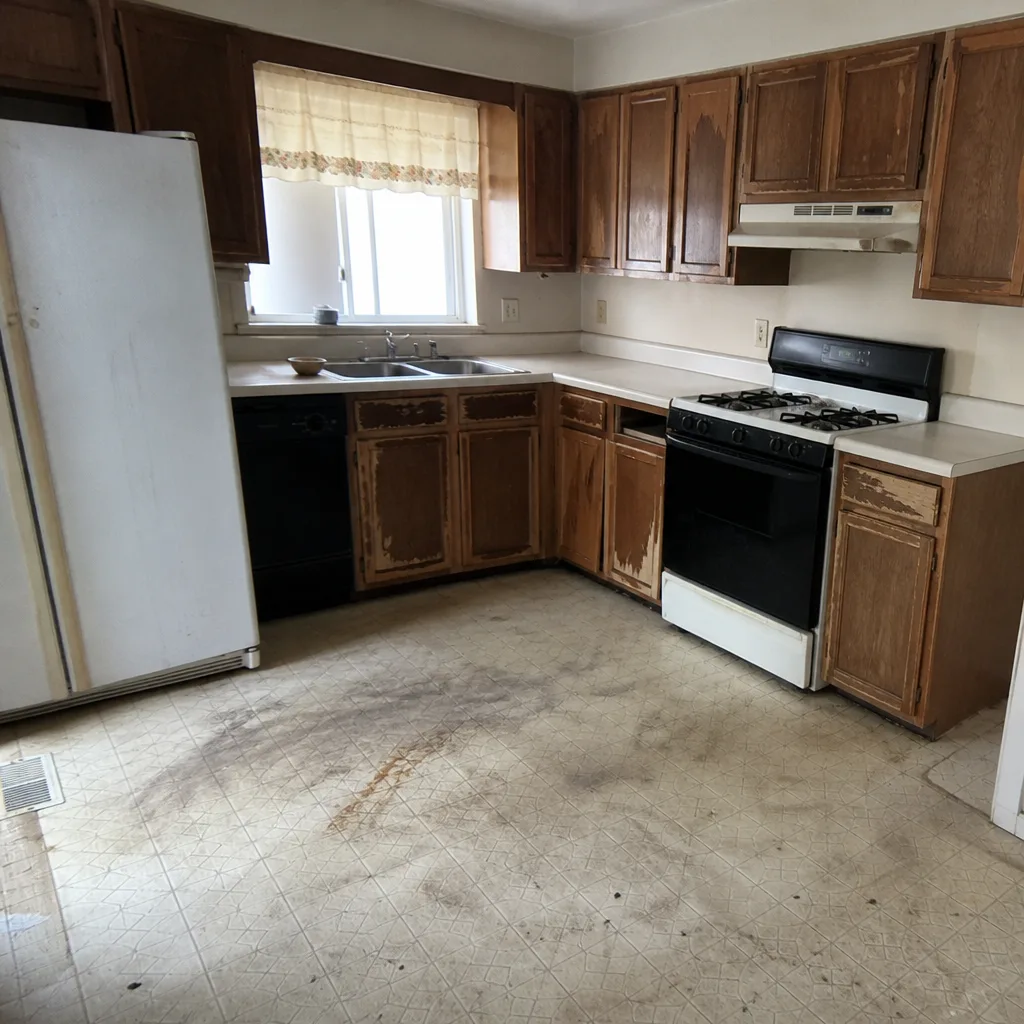 Before
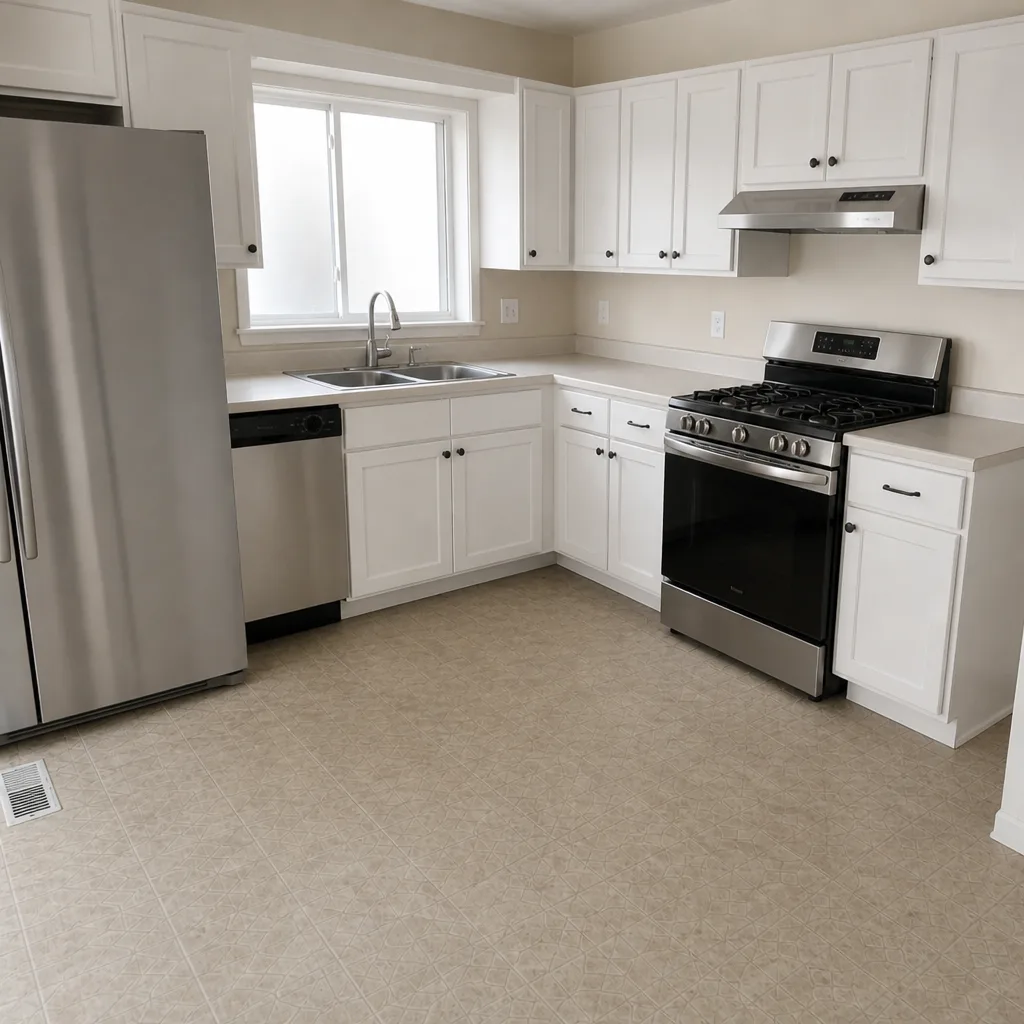 After
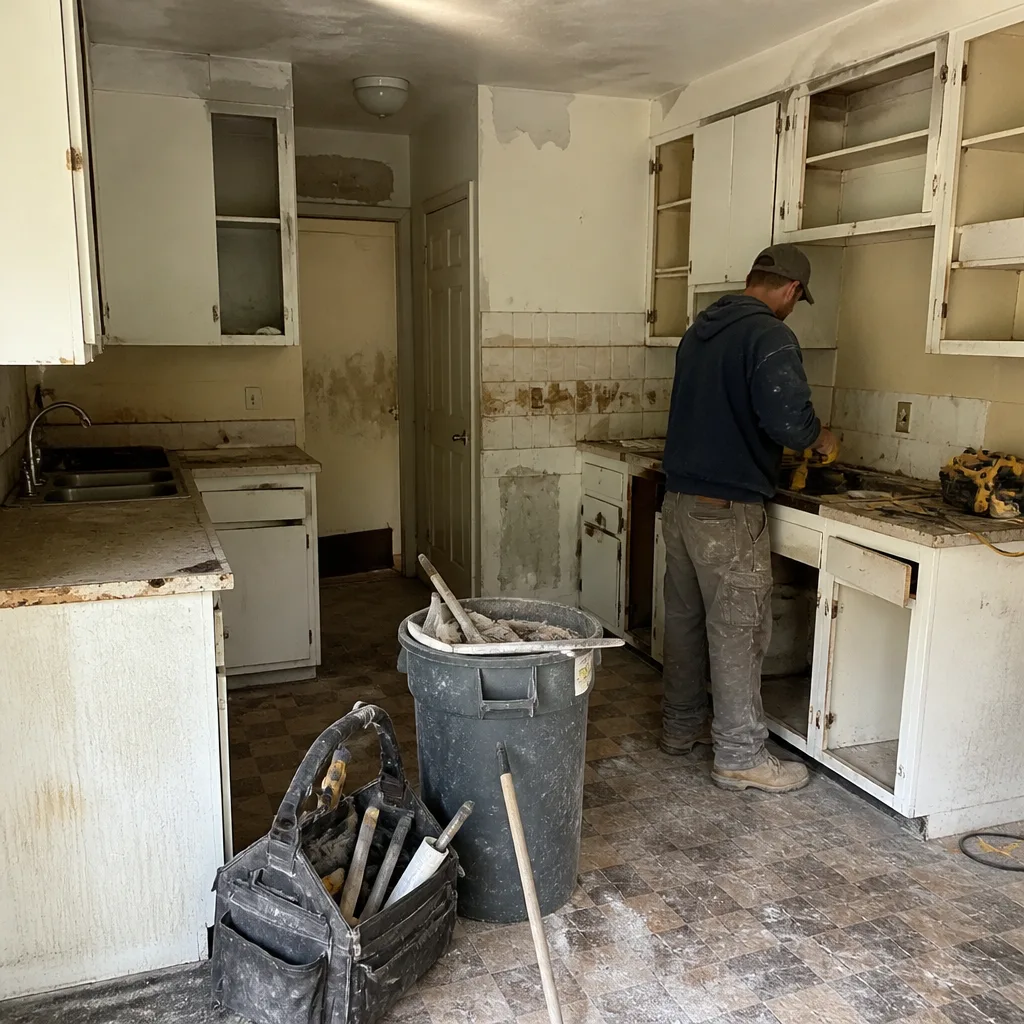 Before
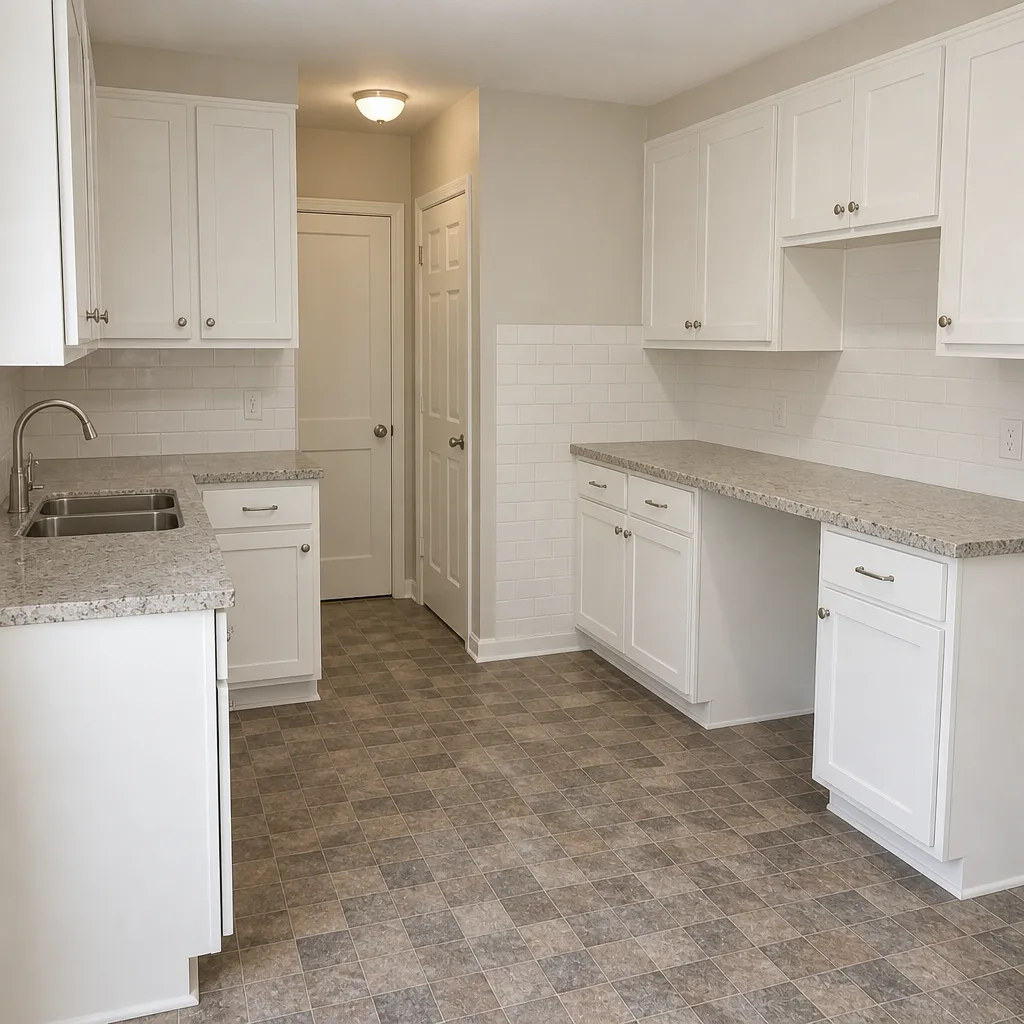 After
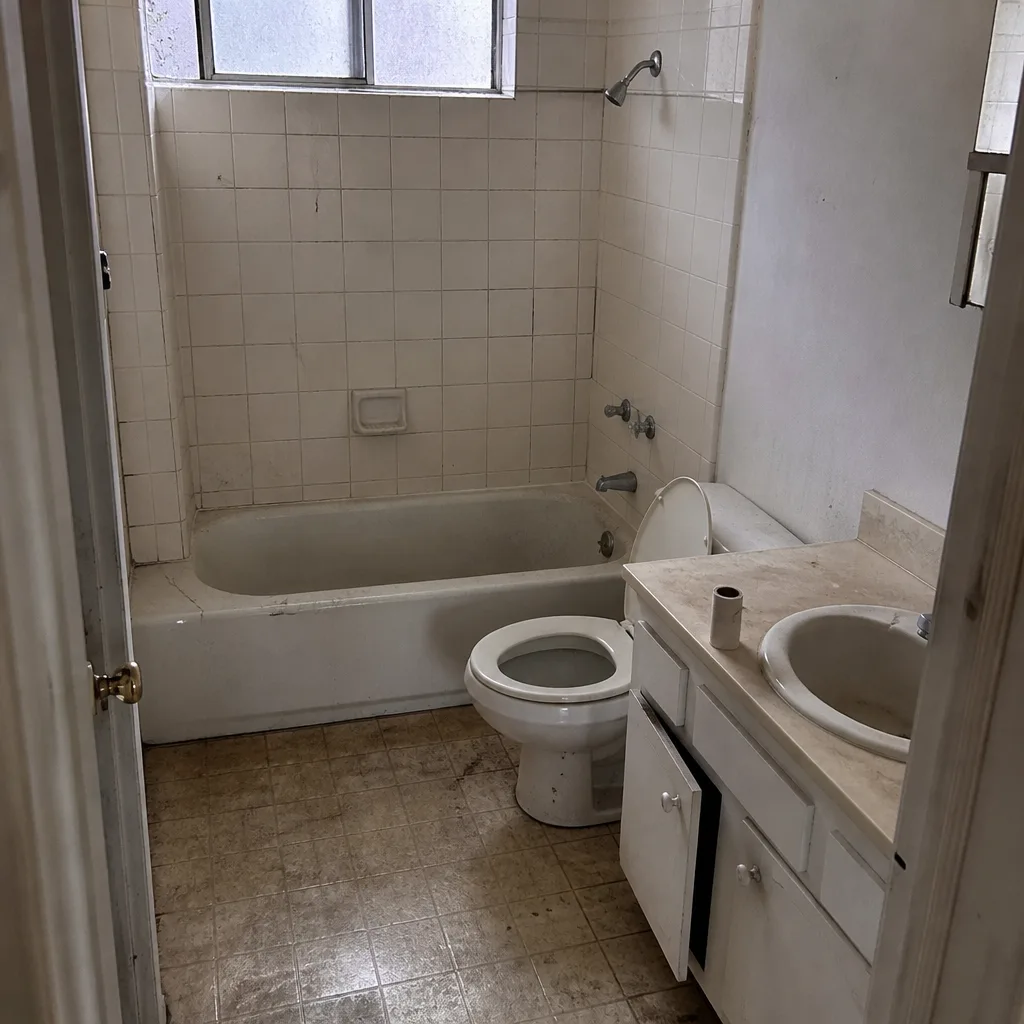 Before
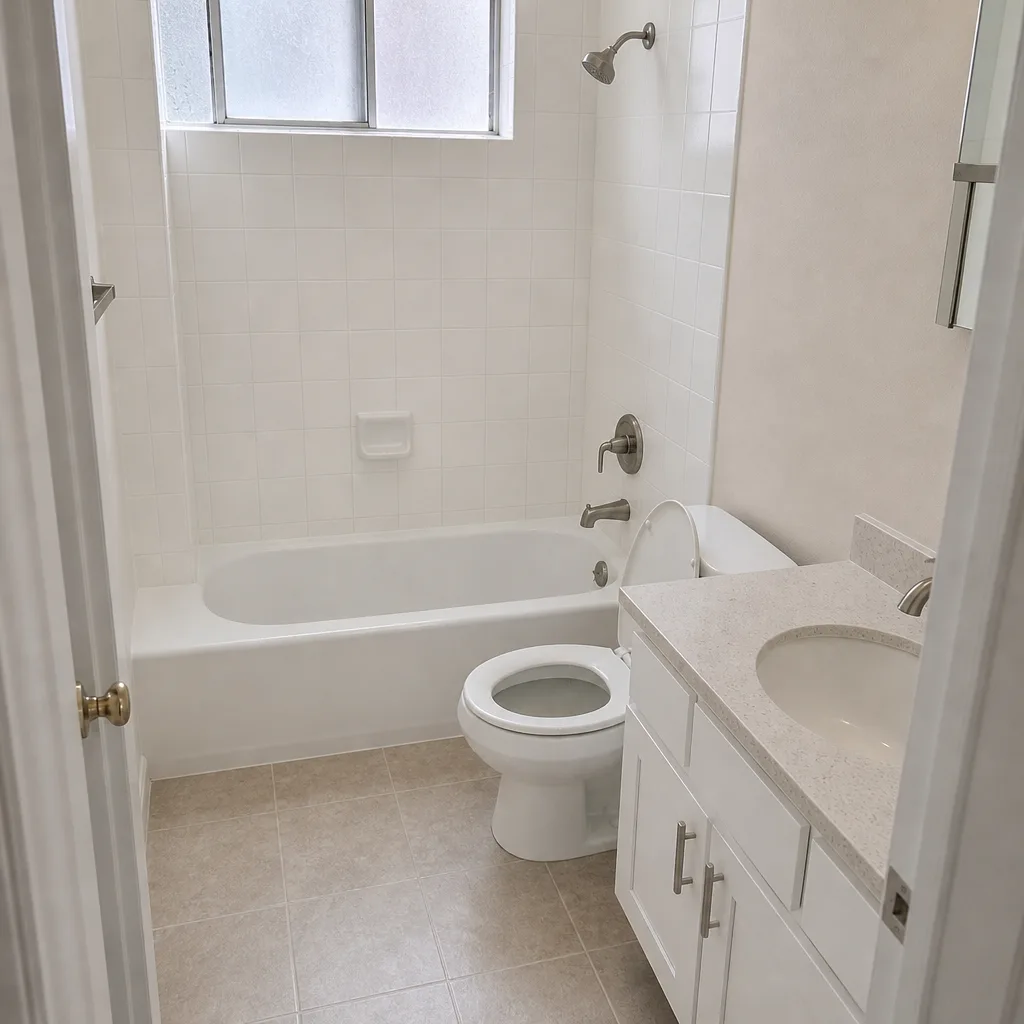 After
When to Call a Professional
You’ve got a project in front of you – a roof replacement, a window package, an exterior update, or a full kitchen remodel – and you’ve started seeing bids. This is exactly the point to bring a professional into the evaluation. A few scenarios where it clearly makes sense to call: your current bids are inconsistent on scope and warranty terms; your chosen brand’s credentialing status is unclear with any of the contractors you’re considering; your project is in a phase where installation detail will make or break the product warranty; or your project is complex enough that the sequencing between trades matters (a roof and a window package during the same phase, for example). In these cases, the cost of a second opinion is essentially zero compared to the risk of a wrong call. Groundwork Construction Co. of Enterprise offers free estimates in Enterprise – call (844) 797-4406 to schedule a no-pressure conversation.
Frequently Asked Questions
It means they’re not certified to install that manufacturer’s products with the extended installation warranty – though they can still buy and install the products. Ask them specifically which credentials they hold before signing anything. If the answer is vague, that’s the answer.
Ask them directly, then verify on the manufacturer’s own website. Every major brand – GAF, CertainTeed, James Hardie, Andersen, Pella – publishes a contractor lookup tool. Never accept a credential claim without confirming it there.
Because in Enterprise’s desert climate, thermal cycling and UV exposure stress the installation itself – the flashing, the fasteners, the seals – more than they stress the underlying product. Product defects are rare. Installation failures are not. That’s why our 730-Day Done Right Promise covers our workmanship in writing, in addition to the manufacturer’s product term.
Yes, if the warranty conditions are met – which is why credentialing and paperwork matter. The manufacturer will usually investigate the claim, determine whether it’s a product or installation failure, and route the remediation accordingly. What most often gets claims denied is missing documentation or an unauthorized installer.
Look for those that track with your project’s materials. For roofing in Enterprise, look for GAF Master Elite or CertainTeed SELECT ShingleMaster. For windows and doors, verified partnerships with Andersen, Pella, ES Windows, ECO Window Systems, Mr-Glass, or Therma-Tru all signal the contractor is credentialed. For kitchens and exteriors, KraftMaid, Cambria, James Hardie, and Belgard are meaningful. Which brands to name is less important than verifying the credential behind the name.
No. Installation determines roughly 80 percent of real-world product performance – and in a desert climate like Enterprise, that percentage runs higher. A great brand on a badly installed roof is a badly installed roof. The product quality is important, but the installer makes the warranty meaningful or meaningless.
Adjust for scope first – permitting, tear-off, disposal, and finishing items – then compare the workmanship warranty term and installation coverage. A bid that appears 10 to 15 percent lower but comes with no installation warranty and no credentialing likely represents real risk, not real savings. Always compare like-for-like.
Yes. Permits are pulled and inspections are passed on our projects. That’s a non-negotiable part of the upfront pricing model – permit fees are either included in your written quote or disclosed in writing, not added later as a change order. Call us to talk through the specifics for your project.
Timeline depends on scope. A roof replacement is typically a multi-day job; a window package depends on the count; kitchens and full remodels run longer. You’ll get a written schedule before work starts, not a verbal estimate. The best way to get a real number is to schedule a free estimate – we’ll walk the job and give you a documented timeline.
On a fixed-scope quote, no. Our honest approach is upfront pricing with no surprises, so the number you see is the number you pay. That’s only possible because we scope carefully upfront and don’t rely on change orders. There are always unknowns in construction – but for a well-scoped job, the price is the price.
Why Brand Partnerships Are a Proxy for Something Bigger
When a contractor has invested the time and effort to earn credentialed partnerships with brands like GAF, CertainTeed, Andersen, and KraftMaid, they’ve also made a structural commitment. They’ve committed to a workmanship warranty that meets a manufacturer’s threshold. They’ve committed to ongoing training. They’ve committed to periodic review. They’ve committed to a business structure that can sustain a warranty for years, not just close a sale in the moment.
For a homeowner making a five-figure investment, that structural signal is more valuable than any single product line. It’s the difference between a contractor whose margin depends on volume and one whose margin depends on repeat customers who stay happy. The two businesses look different to work with.
Our commitment to that structure is the reason we can put a 730-Day Done Right Promise behind our work and mean it. It’s the reason we can pick up the phone 24/7 with a live person, not a voicemail. And it’s the reason our pricing model assumes the work is done right the first time – because if it isn’t, we make it right, at our cost, not yours.
The Bottom Line
Brand names on construction materials are a shortcut, not a guarantee. The real value of a brand partnership lies in the credentialing that comes with it, the installation warranty that protects you when something fails, and the accountability structure that keeps a manufacturer invested in your outcome. Before you sign any construction contract in Enterprise, verify your contractor’s credential status directly with the manufacturer, get both product and installation warranties in writing, and confirm the workmanship warranty term. Prioritize brand specification where the installation is complex – roofing, windows, doors, exterior systems – and don’t let premium materials be installed by a non-credentialed crew. The best contractor is the one whose brand partnerships you can verify, whose warranty you can read, and whose phone gets answered by a live person.
Groundwork Construction Co. of Enterprise offers free estimates in Enterprise – call (844) 797-4406 to schedule. Or use our Driveway & Pavers page for hardscape specifics, our Fence Installation page for exterior barrier considerations, or our Home Additions & ADU page for larger-scope build planning. We’re also offering $1,000 off projects over $10,000 and 0% financing for 18 months to make big projects financially accessible. All projects covered by the 730-Day Done Right Promise, all technicians background-checked and uniformed, and calls answered by a live person, 24/7 – with upfront pricing, no surprises.
Written by the team at Groundwork Construction Co. of Enterprise.