Last updated November 18, 2026



Free written scope consultation - allowances, timeline, and change-order rules on paper before a single trade is scheduled
DIY vs Professional Driveway & Pavers: What’s Safe to Do Yourself
The most expensive paver job we’ve ever seen wasn’t a botched pattern or a bad color choice. A homeowner did everything right above ground – perfect herringbone, dead-level sand joints, clean edges. What sat underneath was a two-inch base where it should have been eight. Eighteen months later the whole thing heaved, rutted, and started separating at the edges, and the fix ran $11,000 because every paver had to come up. We write this from Enterprise, where the ground swings from summer heat that softens asphalt to winter nights that pull moisture up through the soil. What follows is an honest breakdown of which parts of a paver driveway you can genuinely handle, and which parts will fail on you within two years no matter how closely you followed a video.
Quick Answer
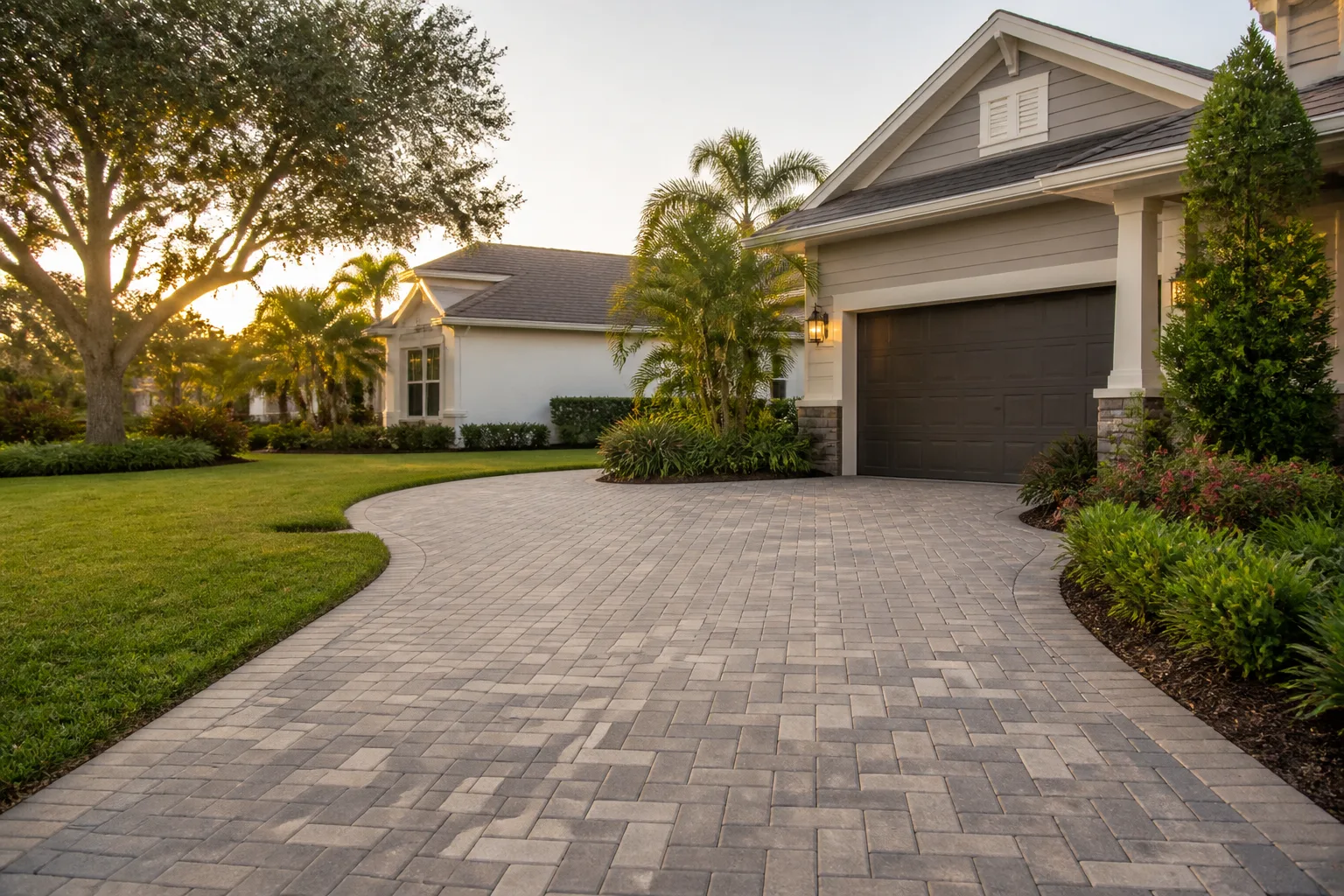
Two parts of a paver driveway are genuinely safe to do yourself: planning the paver pattern before the crew lays it, and cleaning or spot-sealing finished pavers afterward. Everything structural – excavation, base grading, compaction, edge restraint, and cutting – needs professional equipment and know-how, because a bad base fails within roughly two years regardless of how good the surface looks.
Styles & brands we work with
- Kitchen remodeling
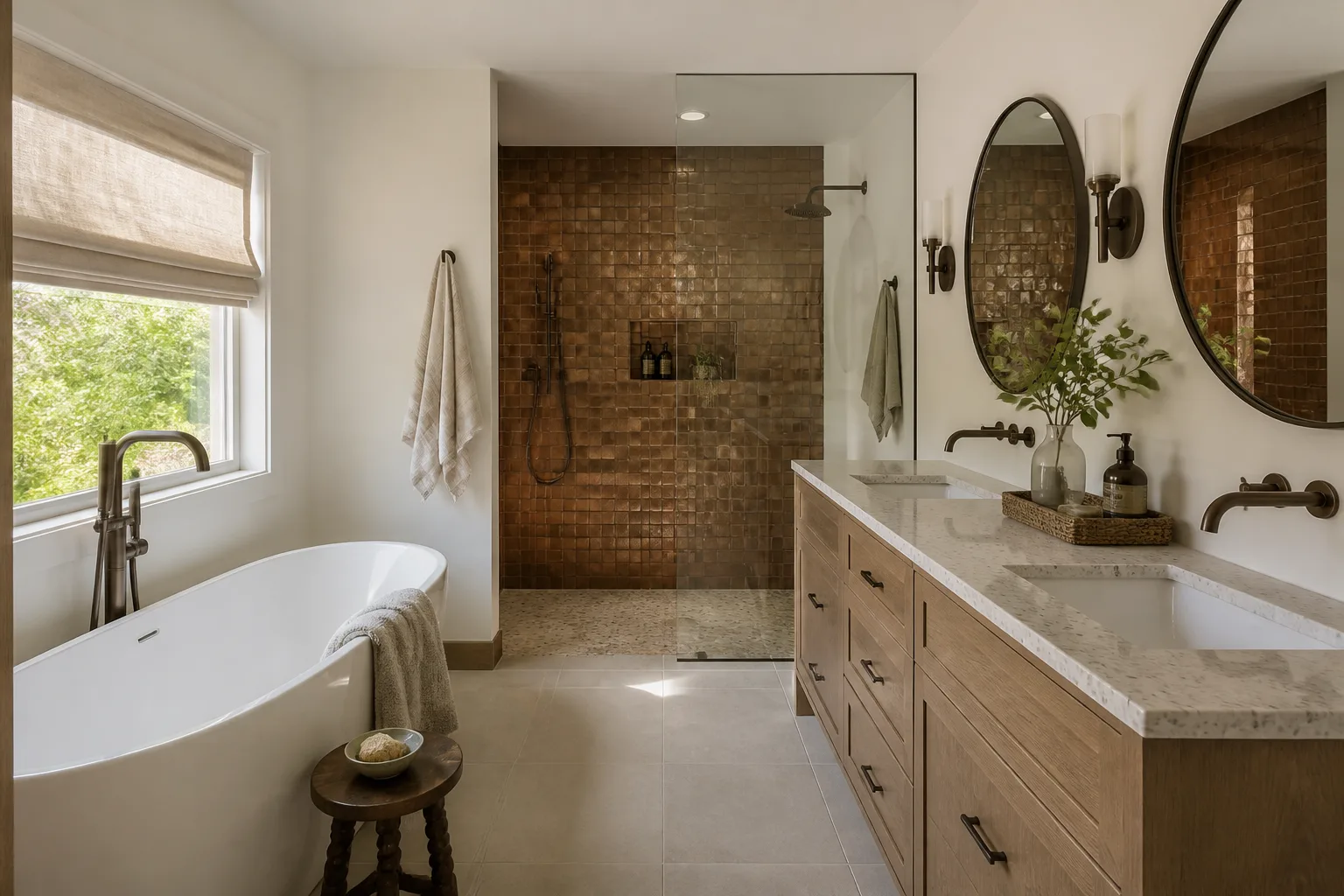
- Bathroom remodeling
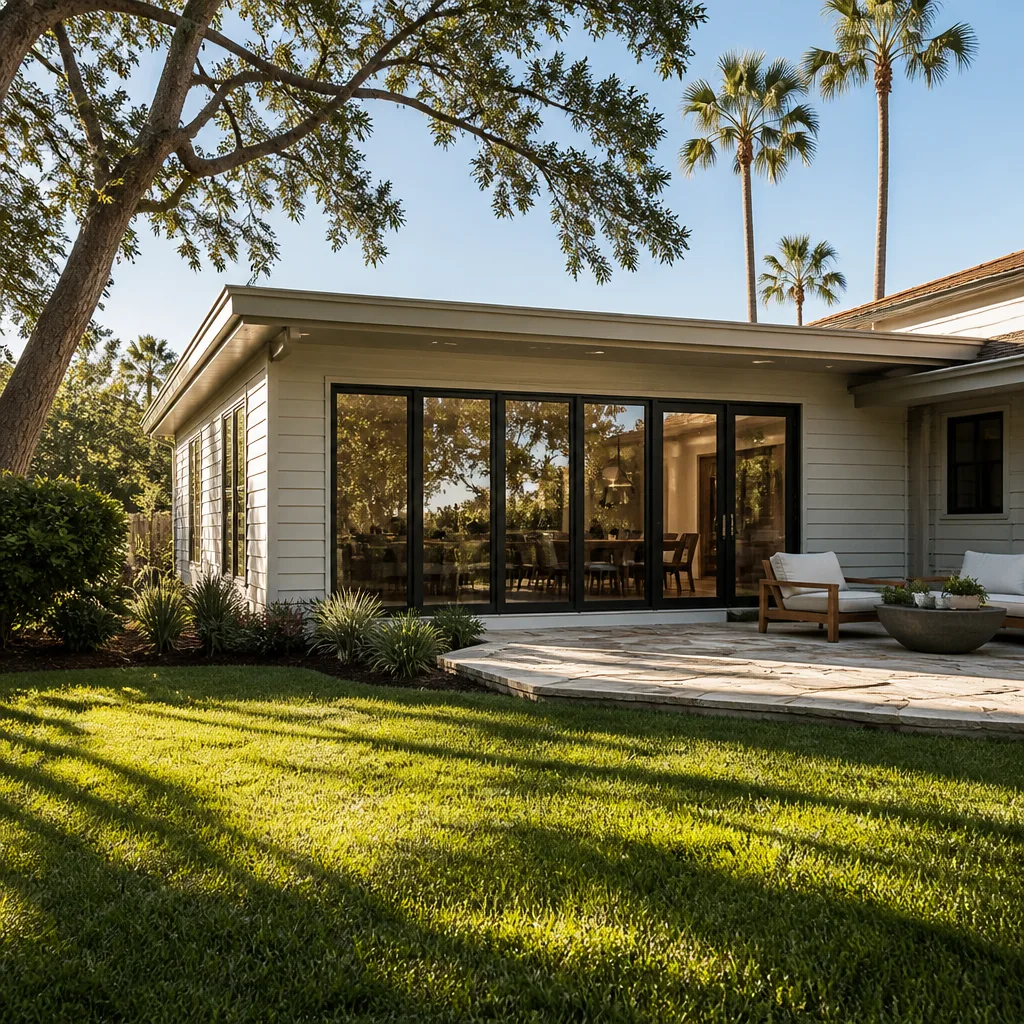
- Home additions & ADU
- Roofing
- Windows & doors
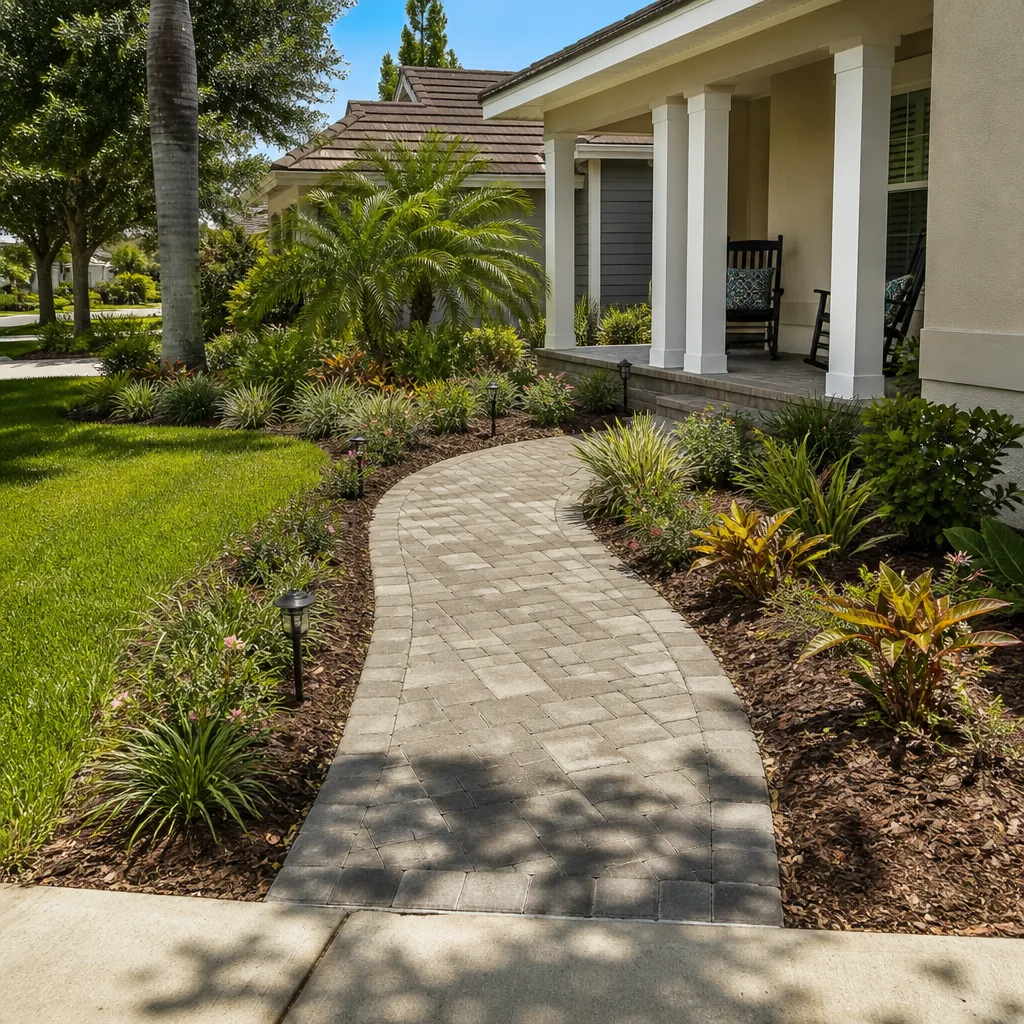
- Driveway & pavers
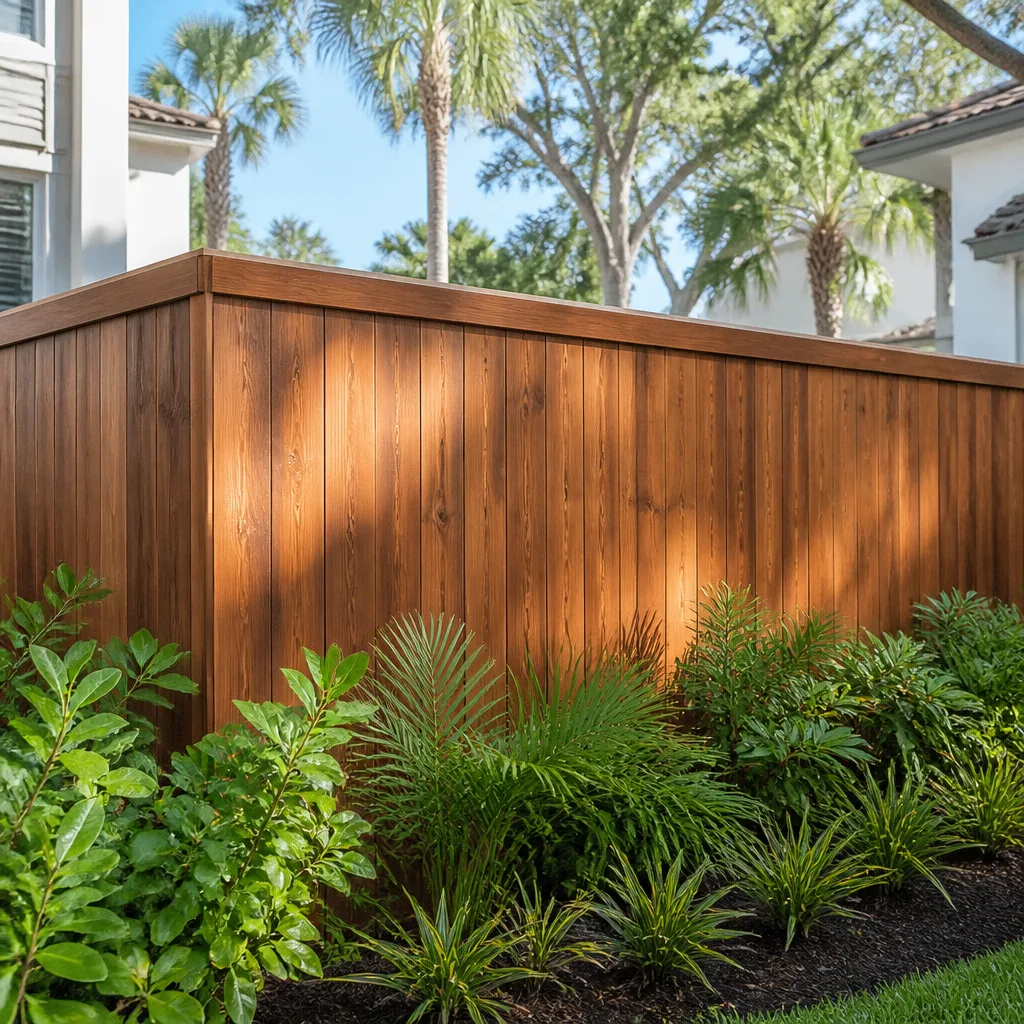
- Fence
Table of Contents
- The Two Jobs You Can Actually Do Yourself
- Why Base Compaction Is the Line You Don’t Cross
- The Hidden Equipment Costs Nobody Budgets For
- The 5-Question Self-Check Before You Commit
- What Enterprise Ground Does to a Bad Base
- What a Professional Warranty Covers That DIY Never Can
- Why This Matters at Resale
- Common Mistakes to Avoid
The Two Jobs You Can Actually Do Yourself
We’re not going to pretend a paver driveway is untouchable. Two steps in the process reward a homeowner who wants to be involved, and neither one puts your investment at risk. The first is pattern and layout planning. Before a single paver goes down, you can decide on a running bond, herringbone, or basketweave, lay the pattern out dry on a flat surface to see how it reads against your house color, and figure out where you want border courses or a soldier row. That’s a design decision, not a structural one, and doing it yourself means you get exactly the look you want instead of accepting a default.
The second is post-install maintenance. Once pavers are set, compacted, and joint sand is in place, cleaning and light sealing are homeowner-friendly. Sweeping, pressure washing at a reasonable pressure, and applying a penetrating sealer to a small patio or walkway are all within reach. If you want a full Driveway & Pavers in Enterprise consultation, we’ll walk you through which sealers hold up in our high-desert sun, because the wrong one turns chalky by the second summer.
Notice what’s missing from that list: everything that touches dirt, gravel, and sand. Those are the steps that decide whether your driveway lasts twenty years or two.
Why Base Compaction Is the Line You Don’t Cross
Here’s the part people underestimate. A paver driveway is really a base project with pavers sitting on top. The pavers are the visible finish; the crushed aggregate base underneath is what carries the load, drains the water, and holds everything stable through freeze-thaw and monsoon season alike. That base has to be installed in lifts – usually two to four inches at a time – and each lift has to be compacted to a specified density before the next one goes down.
You cannot get there with a hand tamper. A hand tamper delivers maybe a fraction of the force a plate compactor puts out, and it can’t reach consistent density across a wide area. We’ve torn out driveways where someone swore their base was “packed solid,” and it was really just surface-tight dirt over loose fill. The failure pattern is predictable:
- Year one: Everything looks fine. Maybe a slight soft spot near the garage apron.
- Year two: Ruts appear under the tires. Edges start spreading because the base can’t hold the restraint.
- Year three onward: Settling, rocking pavers, joint sand washing out, and water pooling where it shouldn’t.
A plate compactor, the right moisture content in the aggregate, and a vibratory roller for the finish passes are the non-negotiables. This is the single step where we most often see a DIY job condemned on sight.
The Hidden Equipment Costs Nobody Budgets For
Here’s the math that kills DIY on anything bigger than a small patio. Excavation and grading for a driveway over 400 square feet means moving tons of soil, hauling it off, bringing in the right aggregate, and grading to a slope that sheds water away from your foundation. The equipment list adds up fast when you rent it all:
- Mini-excavator or skid steer: Daily rental plus delivery and fuel, and you still have to operate it without tearing up your lawn or your utility lines.
- Plate compactor and/or roller: Multiple days if you’re working in lifts correctly.
- Dumpster and haul-away: Excavated soil has to go somewhere, and that’s not free.
- Aggregate delivery: Base material by the truckload, spread by hand if you don’t have equipment.
- Wet saw or guillotine cutter: For edge cuts, and a bad cut is permanent.
- Your time: A weekend job becomes a month of weekends, and every rain delay sets you back.
Add it up and the rental line alone often approaches what a pro charges for labor on a mid-size driveway. In Enterprise, where our soil can be caliche-hard in spots and loose in others, the excavation itself can be unpredictable. That’s the hidden cost: not the tool rental, but the days lost and the material wasted when the ground doesn’t cooperate with a first-timer.
The 5-Question Self-Check Before You Commit
Before you decide to take on any part of the job, answer these five honestly. If you can’t say yes to all of them, hand it to a professional.
- Do I have access to a plate compactor and know how to run it? If not, the base is out of reach.
- Can I correctly calculate and grade the slope for drainage? A driveway that sheds water toward the house is a foundation problem, not a paving problem.
- Do I know my local excavation and utility requirements? In Enterprise you don’t want to find the gas line with a shovel.
- Is my total area under roughly 400 square feet? Above that, the equipment and time math rarely works in your favor.
- Am I prepared to redo it in two years if it fails? Because a bad base doesn’t give you a warning – it just fails.
If you scored yes across the board, you’re a rare case: probably a small walkway or patio, with equipment already on hand. For most homeowners planning a driveway, the honest answer to question four or five is no. Our team at Groundwork Construction Co. of Enterprise home uses this exact checklist when we scope a job, because it keeps everyone clear on what’s actually being built.
What Enterprise Ground Does to a Bad Base
Enterprise has a specific combination that punishes poor base work. Summer ground temperatures push well past 100, which expands and dries the soil; winter nights drop below freezing, which pulls moisture to the surface and then freezes it. That cycle alone will find every weak spot in a base that wasn’t compacted to spec. Add our occasional hard rain that runs off fast, and water management becomes the difference between a driveway that stays put and one that develops a soft corner by the second season. We’ve pulled apart paver jobs in neighborhoods around Enterprise where the base was thick enough but never compacted in lifts, and the pavers had settled into a bowl holding water after every storm.
The fix isn’t a surface patch. It’s removing the pavers, re-excavating to the right depth, rebuilding the base in compacted lifts, and re-laying. That’s why our crews treat the base as the actual job and the pavers as the finish. Belgard and the other hardscape brands we work with build pavers to last decades – but they can’t compensate for what’s under them. If you want to see how we scope a project from the ground up, our Home Additions & ADU in Enterprise work follows the same “build it right underneath” logic.
What a Professional Warranty Covers That DIY Never Can
This is the part that doesn’t show up in a YouTube tutorial. When a professional installs your driveway, you get a workmanship warranty – a written commitment that if the base settles, the pavers heave, or the edges fail, someone fixes it. At Groundwork Construction Co. of Enterprise, every project is backed by our 730-Day Done Right Promise: if it isn’t done right, we make it right. That’s two full years of coverage on the structural work, which is precisely the window where a bad base shows itself.
A DIY job has no warranty. If it fails, you eat the cost of removal, new base material, new pavers, and the time – and if you decide to hire a pro to fix it, you’re paying for the job twice. That failure math is what we see most often: the $11,000 fix on top of whatever the homeowner already spent on materials and rentals. “Built to last, backed in writing” isn’t a slogan for us – it’s the actual difference between a driveway and a liability.
Why This Matters at Resale
A driveway is one of the first things a buyer sees, and a failing one reads as deferred maintenance across the whole property. Curb appeal aside, a buyer’s inspector will flag settling pavers, uneven joints, and drainage issues, and those flags turn into negotiation leverage against you. A properly installed, warranted driveway is an asset you can point to: here’s the material, here’s who installed it, here’s the guarantee that still has time left on it. A DIY driveway offers none of that paper trail. When homeowners in Enterprise ask us whether a paver driveway adds value, the honest answer is that it does when it’s done right – and it subtracts value when it isn’t. The same principle holds for the rest of your exterior; a solid Fence Installation in Enterprise and a stable driveway together tell a buyer the property was maintained, not patched.
Common Mistakes to Avoid
- Skipping the plate compactor to save a rental day. This is the mistake that dooms the job. A hand tamper cannot reach spec density, and the failure shows up in year two, not week two.
- Excavating too shallow because the digging got hard. In Enterprise’s harder soil pockets, homeowners stop digging early and end up with a three-inch base instead of eight. The pavers don’t care about your sore back – they care about depth.
- Ignoring drainage slope. A flat or backwards-graded driveway sends water toward the garage or foundation. That’s a structural problem, not a paving one.
- Buying pavers before planning the base. Material selection is the easy part; the base spec decides how much aggregate you need and how deep you dig. Plan the structure first.
- Using the wrong sealer for our climate. A sealer that traps moisture or chalks under high-desert sun looks worse than no sealer at all by the second summer.
- Cutting edge pavers by eye. Bad edge cuts are permanent and visible. Rent the saw or let a pro handle the cuts.
- Assuming a small job is automatically safe. A 200-square-foot walkway still needs a compacted base and correct slope. Size doesn’t excuse the structure.
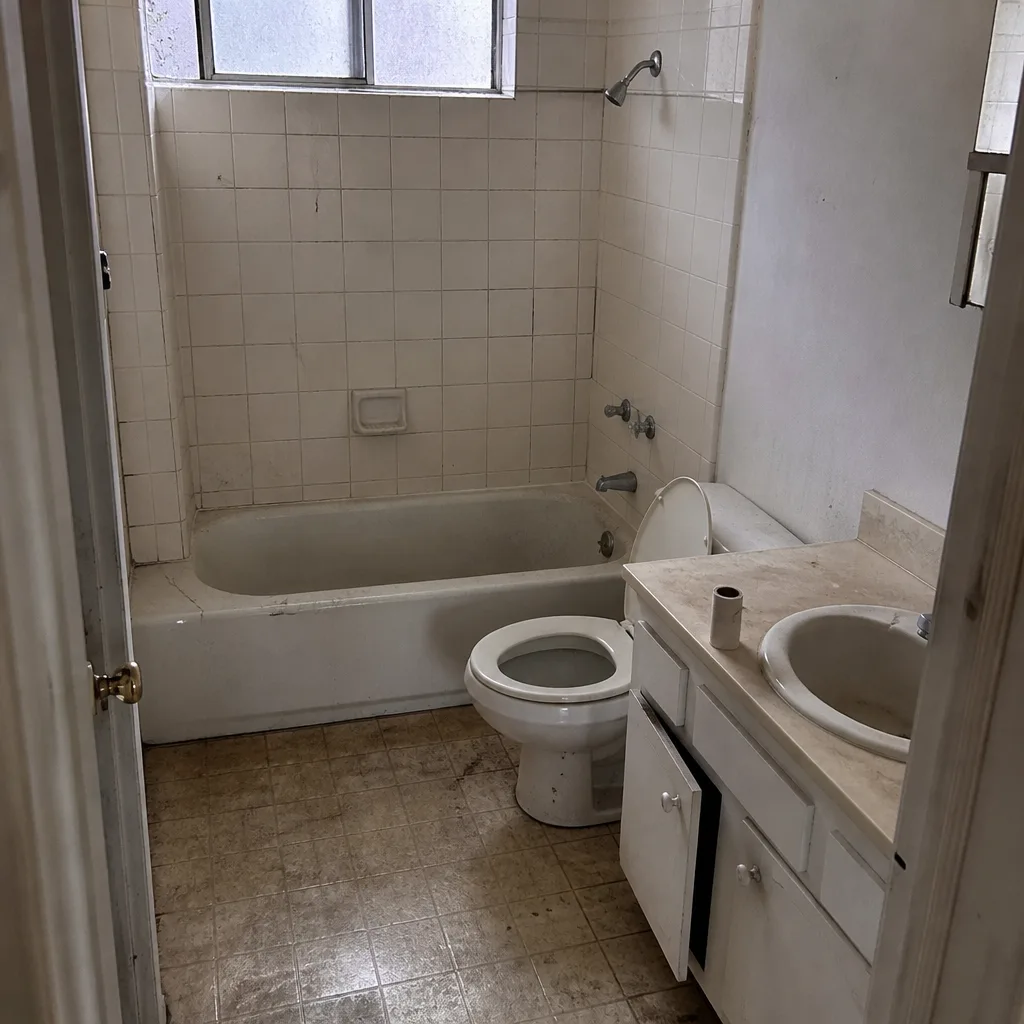
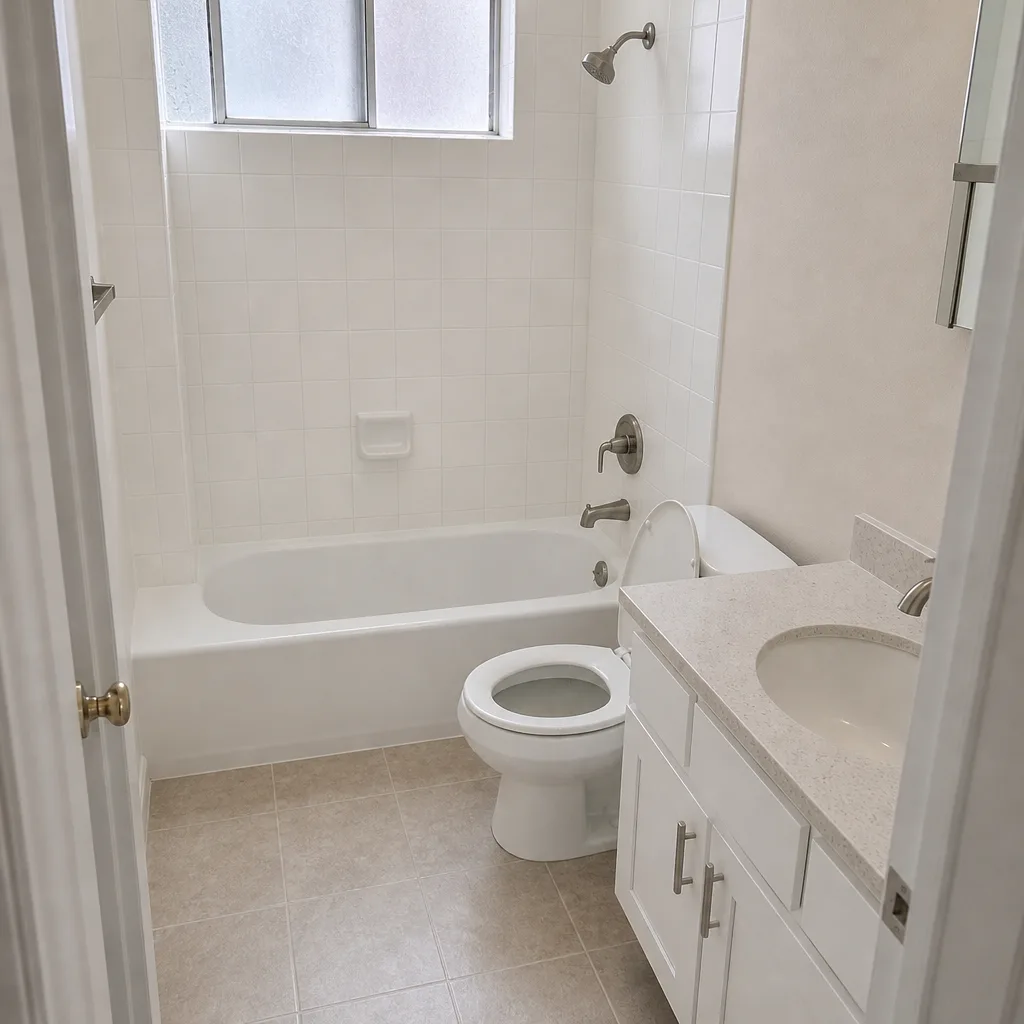
See the difference
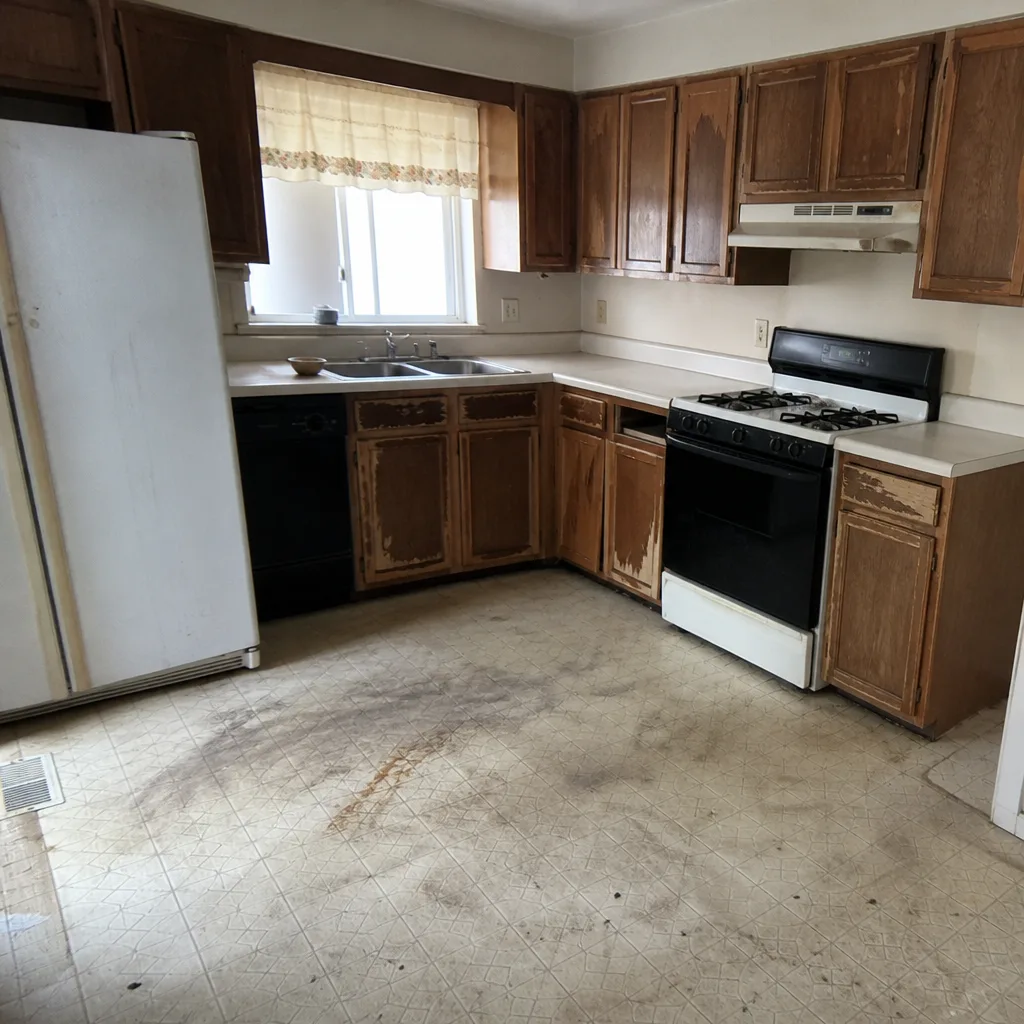 Before
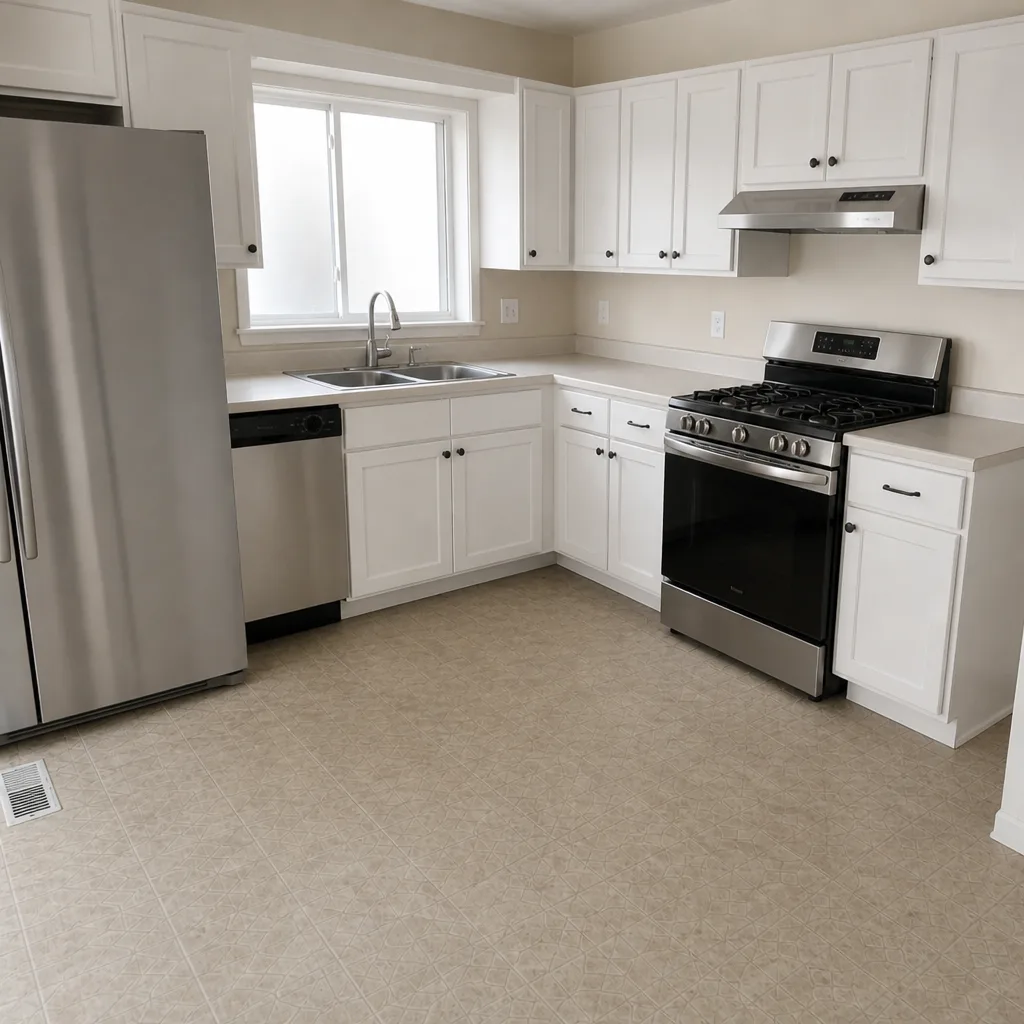 After
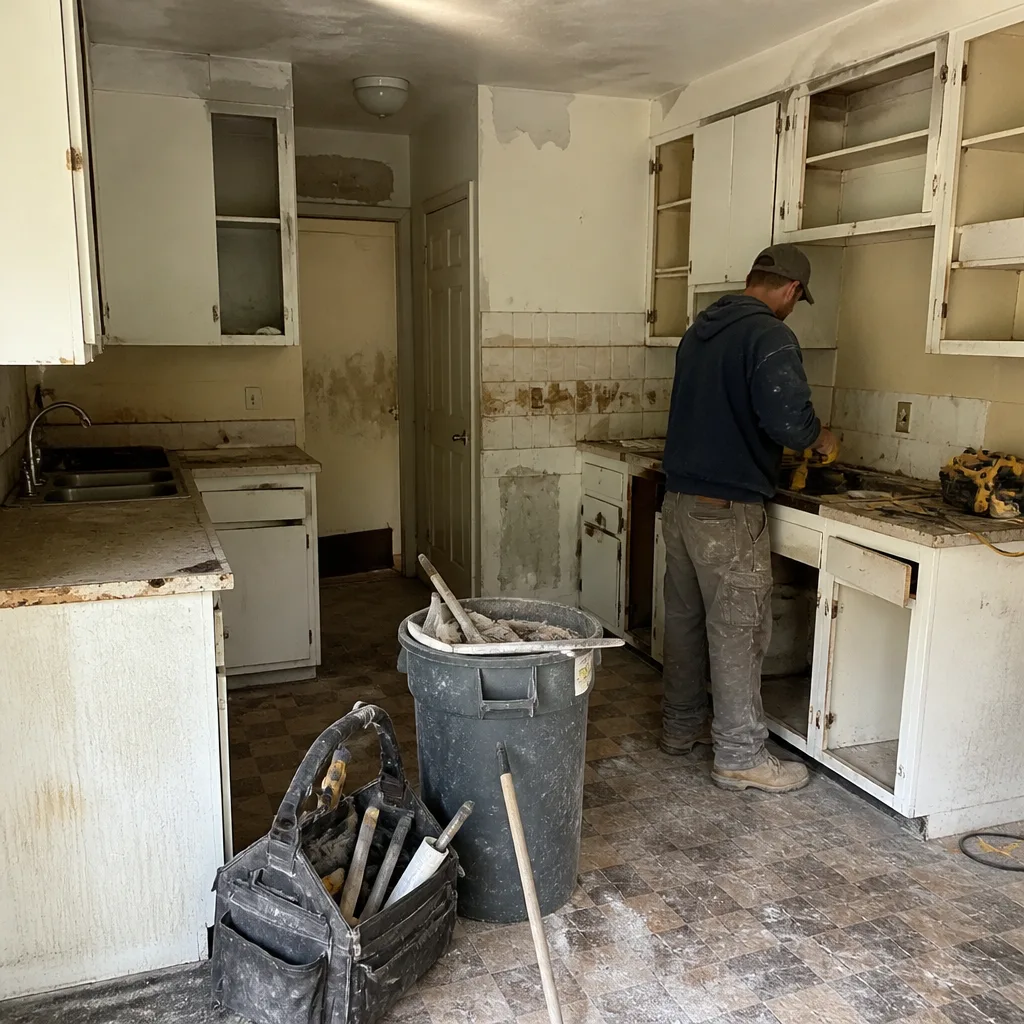 Before
 After
 Before
 After
When to Call a Professional
Call a professional the moment your plan includes excavation, base work, or anything over 400 square feet – which covers nearly every driveway. Call us too if you’ve inherited a failing paver job and need it diagnosed before it gets worse. If your driveway drains toward the house, if pavers are rocking or settling, if joints are washing out after rain, or if you’re planning the job around a new garage or addition, those are all professional-scope situations. Groundwork Construction Co. of Enterprise offers free estimates in Enterprise – call (844) 797-4406, and a live person answers around the clock, not a voicemail box. We’ll give you upfront pricing with no surprises and a written line-item quote, and if you’re comparing options, our estimate includes the design consult at no charge.
Frequently Asked Questions
You can install the visible layer, but you shouldn’t install the structural layers yourself unless you have a plate compactor, excavation equipment, and experience grading for drainage. The base is what makes or breaks a paver driveway, and a base that isn’t compacted to spec fails within about two years. For anything over 400 square feet, the equipment and time costs usually make DIY a losing bet. Call (844) 797-4406 for a free estimate if you want to compare the numbers.
Most paver driveways in the Enterprise market land in a broad range depending on square footage, paver type, and base depth, with excavation and base prep making up a large share of the total. The only way to get a real number for your property is a site-specific quote – soil conditions and slope change the scope significantly here. Groundwork Construction Co. of Enterprise provides free estimates with written line-item pricing, and projects over $10,000 qualify for $1,000 off plus 0% financing for 18 months. Call (844) 797-4406 to schedule yours.
Compaction removes air pockets and locks the aggregate into a dense, stable layer that carries the load and drains water. A hand tamper can’t reach the density a plate compactor delivers, so the base stays loose underneath and settles under traffic and weather. In Enterprise’s freeze-thaw winters, that settling turns into ruts, rocking pavers, and spreading edges by the second season.
Pattern and layout planning is safe – in fact we encourage it, because it’s a design decision that should reflect your taste. Cleaning and light sealing of finished pavers is also homeowner-friendly, as long as you use a sealer suited to our high-desert sun. Everything structural – excavation, grading, base, compaction, and edge cuts – is where we’d draw the line.
Not with us. Groundwork Construction Co. of Enterprise works from upfront pricing – the number you see is the number you pay – and we write line-item quotes so you can see exactly what’s included. If something genuinely unexpected turns up underground, we talk to you before touching it, not after. That commitment sits inside our 730-Day Done Right Promise and our no-surprises pricing. Call (844) 797-4406 with questions before you commit to anything.
Where permits and inspections apply to your project, we pull them and handle the inspection side so you’re not chasing paperwork. Requirements vary by project scope and location, and we’ll tell you upfront what applies to your driveway during the estimate. Our technicians bring up to 12 years of experience to the job, and all of our crews are background-checked and arrive in uniform.
The Bottom Line
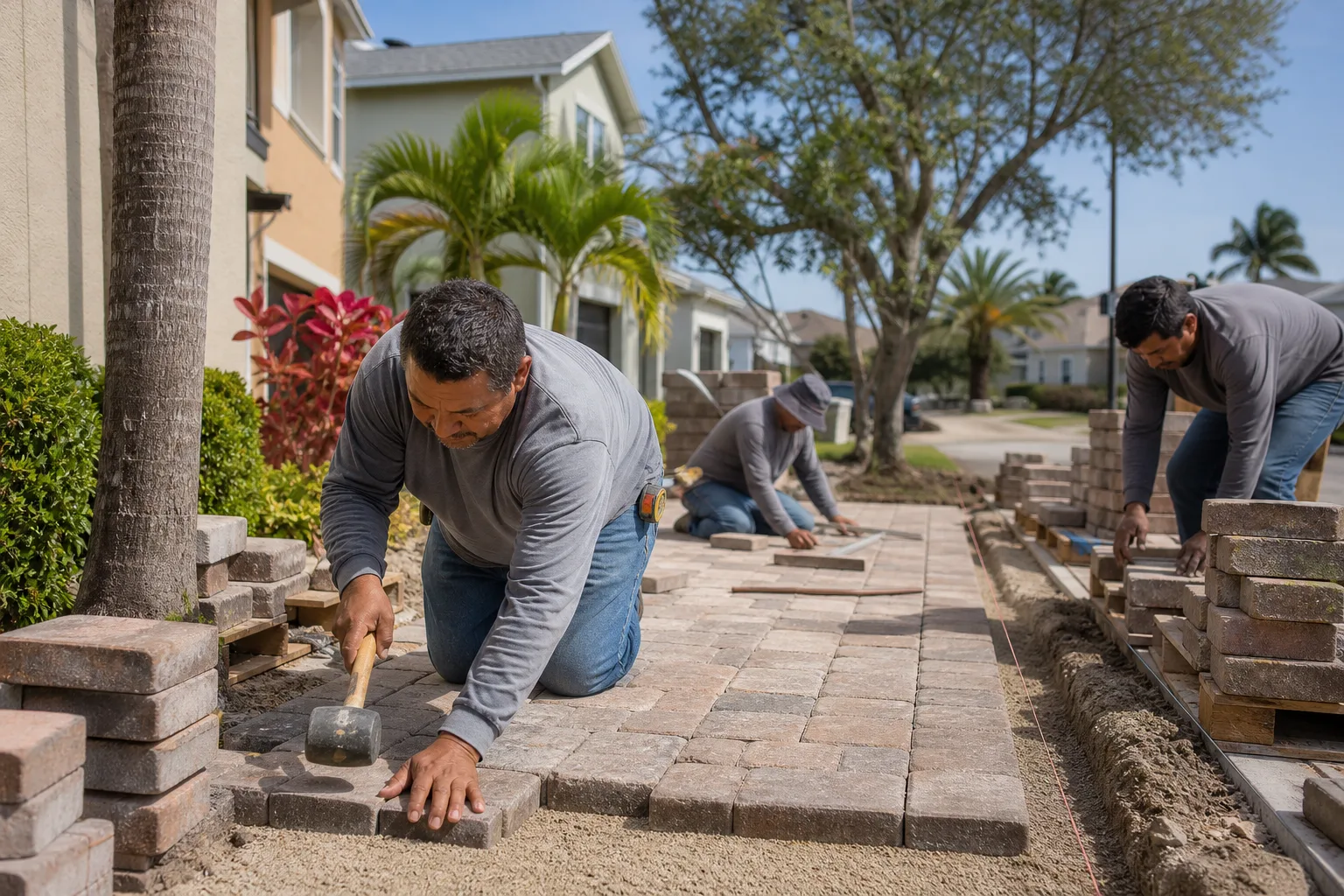
A paver driveway is a base project wearing a paver finish, and that single fact decides what’s safe for you to do yourself. Pattern planning and post-install cleaning are yours to own. Excavation, grading, base compaction, and edge cutting are not – not because you can’t learn them, but because the equipment cost and the failure risk don’t pencil out, and a bad base fails within two years no matter how good the surface looks. If you want the job done once, backed in writing, with upfront pricing and a live person on the phone, that’s what we do. Call (844) 797-4406 for your free estimate in Enterprise.
Written by the team at Groundwork Construction Co. of Enterprise.