Last updated November 18, 2026

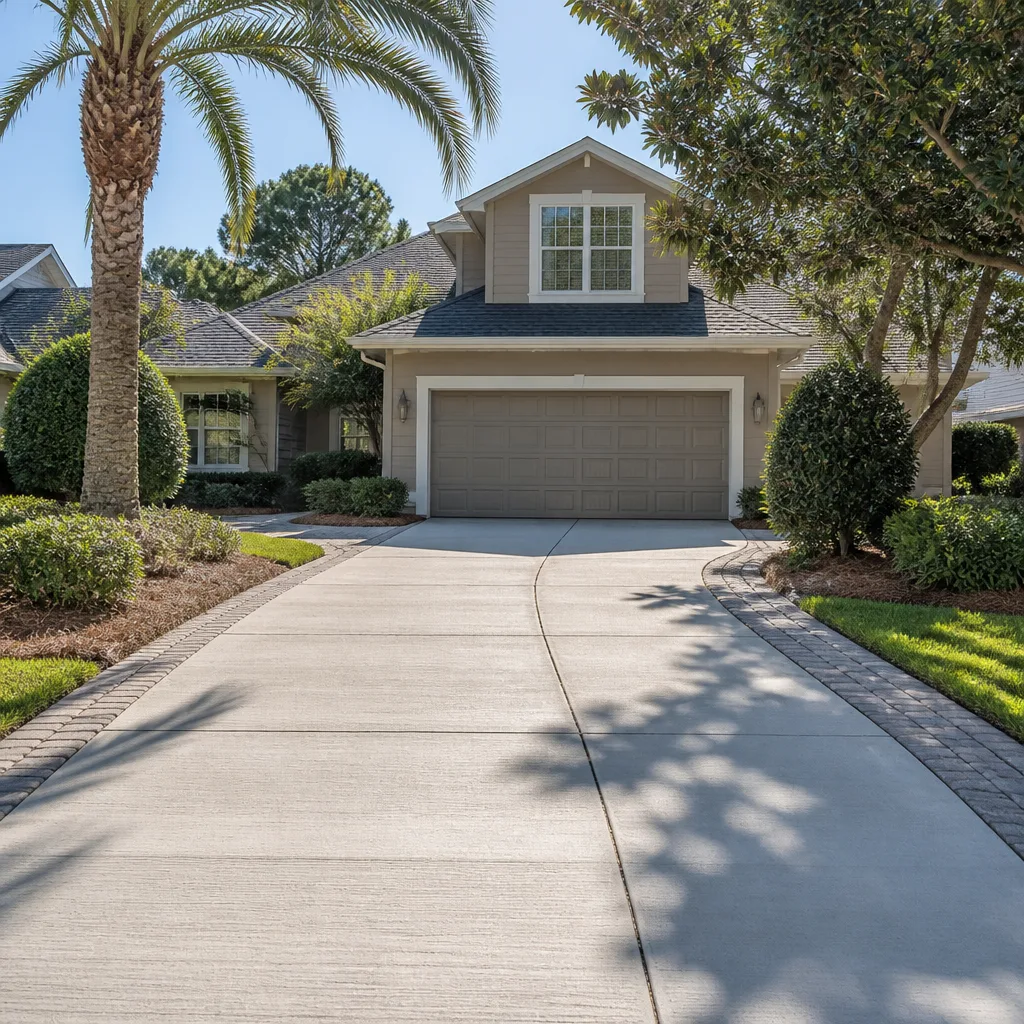

Free written scope consultation - allowances, timeline, and change-order rules on paper before a single trade is scheduled
The Complete Bathroom Remodeling Guide for Enterprise Homeowners
Las Vegas Valley water registers between 278 and 849 parts per million of hardness depending on the source, which puts it among the hardest municipal water in the country. That single fact reshapes almost every decision in a bathroom remodel here. The wrong finish on a faucet can look sandblasted in under two years. The wrong grout line can stain permanently within months. And most remodeling guides ignore it completely because they’re written for a national average that doesn’t exist in Enterprise. This guide covers what actually holds up in Clark County water, what’s hiding inside the walls of Enterprise tract homes built during the 1990s and 2000s boom, how the permit line works in Southern Nevada, and how to read a bathroom quote so you know whether it’s full scope or a list of change orders waiting to happen.
Quick Answer
A bathroom remodel in Enterprise, Nevada typically runs $12,000 to $28,000 for a full gut renovation of a standard hall or primary bath, with cosmetic refreshes landing around $6,000 to $11,000 and high-end primary suites reaching $40,000 and up. The price swings that wide because scope, fixture tier, and hidden conditions behind the walls drive the number far more than square footage does. In Enterprise specifically, hard water chemistry and the age of the housing stock are the two factors that most often push a project past its opening estimate.
Styles & brands we work with
- Kitchen remodeling
- Bathroom remodeling
- Home additions & ADU
- Roofing
- Windows & doors
- Driveway & pavers
- Fence
Table of Contents
- Why Hard Water Changes Everything in an Enterprise Bathroom
- Which Materials Survive Clark County Water
- Ventilation and Layout: The Problem Behind the Drywall
- What’s Hiding Inside 1990s – 2010s Enterprise Tract Homes
- The Permit Reality for Bathroom Remodels in Clark County
- What a Bathroom Remodel Costs in Enterprise and Why
- How to Read a Bathroom Quote Before You Sign
- The Remodel Process, Step by Step
Why Hard Water Changes Everything in an Enterprise Bathroom
Water hardness is measured in parts per million of dissolved calcium and magnesium. Anything above 180 ppm is considered very hard. Enterprise sits in a valley where the Colorado River source and local groundwater blend into finished water that regularly lands between 278 and 849 ppm. That’s not a minor nuisance. It’s a chemistry problem that quietly attacks every surface in a wet room.
What hard water actually does over time:
- Etches polished chrome and cheap stainless. Calcium carbonate deposits bond to the surface and, once scrubbed, leave micro-scratches that collect more mineral scale. The finish dulls in a visible pattern within 18 to 24 months.
- Stains cementitious grout. Standard sanded grout is porous. In hard water, mineral deposits settle into the pores and no amount of scrubbing brings the original color back.
- Clogs showerheads and aerators. Scale builds inside the openings and reduces flow. A showerhead that worked fine at move-in can lose half its pressure in three years.
- Leaves spotting on glass. Untreated shower glass in Enterprise develops a haze that becomes permanent once the minerals bond to the silica surface.
In our experience, the homeowners who end up happiest with an Enterprise bathroom five years later are the ones who spent a little more on the right finishes at the front end and less on cosmetic details. Finish selection in this valley is not a style decision. It’s a durability decision, and it should be treated that way inside the budget.
Which Materials Survive Clark County Water
The materials list below is based on what we’ve watched hold up or fail in Enterprise homes over repeated projects. There’s no universal answer, but there’s a clear gradient between finishes that shrug off hard water and finishes that look destroyed inside two years.
Fixture Finishes
- Best performers: Brushed nickel, matte black (quality PVD-coated versions), and physical vapor deposition (PVD) finishes from Delta and similar manufacturers. PVD bonds at a molecular level and resists mineral attack far better than decorative plating.
- Solid performers with maintenance: Polished chrome from reputable brands. It handles the chemistry fine but shows every water spot, so it demands weekly wiping.
- High risk: Polished brass, oil-rubbed bronze (on the low end), and any finish described as “living.” These are designed to patina, and in hard water they patina unevenly into something that looks like damage.
When we specify fixtures for an Enterprise bathroom, we lean on Delta and American Standard for the shower and bath valves because both lines have broad PVD finish availability and replacement cartridge support that’s easy to source locally. Toto is another solid choice for toilets in hard water areas because the glazed trapway resists scale buildup better than most.
Grout and Tile
Epoxy grout costs more than cementitious grout, usually 25 to 40 percent more in material, and in this valley it’s worth it. Epoxy doesn’t absorb water, doesn’t stain from minerals, and doesn’t need resealing every two years. If you’re using cementitious grout anyway, small format tile with narrow grout lines is more forgiving than large format with wide lines, because there’s less total grout surface to attack. Porcelain tile holds up better than natural stone in wet areas. Marble showers, popular in design magazines, are the single fastest way to watch a bathroom look tired in an Enterprise home.
Waterproofing
Schluter Systems waterproofing membranes are what we recommend behind tile in every wet area. They form a continuous barrier independent of the tile and grout, which matters because grout is never truly waterproof. In a hard water environment, a membrane behind the tile means a failed grout line is a maintenance item rather than a tear-out.
Ventilation and Layout: The Problem Behind the Drywall
Bathroom exhaust systems in Enterprise housing stock are chronically undersized. This is not a small oversight. The desert climate means homeowners here run the AC most of the year and keep the house closed up. Moisture from showers has nowhere to escape except into the walls, and inadequately vented bathrooms are one of the leading causes of hidden mold in homes built between 1990 and 2010.
A bathroom fan should move air at a rate of roughly one cubic foot per minute for every square foot of bathroom floor, and a bit more in bathrooms with a shower and tub combination. Many fans installed during the boom are rated at 50 CFM in bathrooms that need 80 or 100. And a fan is only as good as the duct it feeds. Fans that exhaust into the attic rather than through the roof or a side wall are surprisingly common in older Enterprise tract homes. That’s effectively pumping humid air into the space above the ceiling, where it condenses and feeds mold growth.
What to Check During a Remodel
- Confirm where the exhaust ducts actually terminate. It should exit the building envelope, not stop in the attic or the soffit.
- Size the fan to the room, not to the old slot. If the electrical is being reworked anyway, upgrading to a properly sized unit is a modest cost.
- Look at the layout while the walls are open. Moving a shower valve, shifting a toilet drain, or adding a second vanity is dramatically cheaper during a remodel than after the tile is set.
- Check for continuous venting in the roof or side wall. Short, direct duct runs perform better than long runs with multiple elbows.
A remodel is the only practical time to fix bathroom ventilation. Once the ceiling is closed back up, the duct becomes an item someone inherits in five years. Get it right now.
What’s Hiding Inside 1990s – 2010s Enterprise Tract Homes
Opening a wall in an Enterprise bathroom from the 1990s or 2000s boom era is a coin flip. Sometimes there’s nothing behind the tile but insulation and clean framing. Sometimes the previous owner’s slow leak has been quietly forgiving itself for a decade.
Common conditions we’ve found in this exact housing stock:
- Slow leaks that never got fixed. A shower pan that leaked slightly for eight years warps the subfloor and stains the framing below. The previous owner often didn’t know, or knew and didn’t want to pay for the repair before selling.
- Surface-applied mold treatments over active moisture. We’ve opened walls to find visible mold sealed under a coat of paint. The moisture source has to be fixed before any remediation is meaningful.
- Improper plumbing configurations. Original build plumbing from this era sometimes ran drains and supplies through framing in ways that don’t allow code-compliant upgrades without relocating them. Moving a shower drain a foot can mean cutting into a floor joist and adding reinforcement.
- Undersized drain lines and missing venting. Some tract-home bathrooms were plumbed to minimums and don’t tolerate a rearrangement without adding venting.
- Uneven subfloors. Ten to twenty years of slab movement in Nevada soil means the floor under the tile isn’t necessarily flat anymore, even if it looks it.
This is why a qualified contractor opens exploratory areas before finalizing the quote. A number written before the wall comes down can’t be a fixed number, and any contractor telling you otherwise is either guessing or planning to bill you for it later.
The Permit Reality for Bathroom Remodels in Clark County
Not every bathroom project in Enterprise requires a permit. That’s true. But the line between what’s permitted and what isn’t matters more than most homeowners realize, especially at resale.
What Triggers a Clark County Permit
- Moving, adding, or relocating plumbing fixtures
- Adding, moving, or removing electrical circuits, outlets, or lighting fixtures
- Structural changes to framing, walls, or subfloor
- Adding or modifying ventilation ducting
- Converting a tub to a walk-in shower when the drain and valve location changes
What Doesn’t Typically Require a Permit
- Cosmetic work: paint, tile on existing surfaces, fixture swap in the same location
- Replacing a vanity in the same location and configuration
- Replacing a showerhead or faucet with same-connection hardware
Why the distinction matters: unpermitted plumbing and electrical work becomes a disclosure problem at resale. A buyer’s inspector will flag it, the buyer’s lender may require it be brought up to code, and you’ll be paying to open the wall a second time. Clark County inspectors also sign off on the work being done, which is a useful check on invisible systems you can’t inspect yourself once the tile is set. When we pull permits, we hand over the inspection record at closeout so the homeowner has documentation, and so a future buyer’s due diligence is quick. For a homeowner planning additions beyond the bathroom, that same principle applies across the board.
If your project involves expanding a bathroom or adding a second one, that work overlaps with larger structural work. You can read more about how that plays out in our guide to Home Additions & ADU in Enterprise.
What a Bathroom Remodel Costs in Enterprise and Why
Bathroom remodel costs in Enterprise break into three tiers, and the difference between them has more to do with scope and hidden conditions than with finishes. Here’s how pricing lands in this market:
- Cosmetic refresh (paint, fixtures in same location, new vanity top, new flooring over existing): $6,000 to $11,000
- Mid-range full remodel (new tile, new vanity, same footprint, fixture upgrade, upgraded exhaust fan): $12,000 to $22,000
- Full gut with layout change (moving fixtures, re-plumbed, new electrical, high-tier tile and fixtures): $22,000 to $40,000
- Primary bathroom expansion or luxury build (added square footage, double vanity, walk-in shower, freestanding tub): $40,000 and up
What Drives the Number
- Layout changes. Moving a drain or relocating plumbing adds opening, roughing, inspection, and finish work. It’s the single biggest swing between tiers.
- Hidden conditions. Mold remediation, subfloor repair, or plumbing rework behind existing tile is the item most likely to add cost mid-project. A contractor who can’t describe when this might happen is either inexperienced or hiding it.
- Fixture and finish tier. A $300 faucet and a $900 faucet are functionally different in hard water. Tile can range from $2 to $30 per square foot depending on material and format. Waterproofing membranes and epoxy grout add material cost but save replacement cost.
- Ventilation and electrical. Correctly sized fans, updated lighting, and GFCI compliance are not exciting line items but they’re not optional in a bathroom that’s going to be opened up.
- Permit and inspection fees. These are modest line items but not zero. Confirm they’re in the quote as a separate item.
Why Quotes Vary So Widely
Two contractors quoting the same bathroom often land thousands apart because they’re not actually quoting the same scope. One is pricing the full job including the unknowns and the permit. The other is pricing the visible work and planning to charge you for the rest later. The number on the page is not comparable until you know what’s included.
Groundwork Construction Co. of Enterprise prices with no-hassle upfront pricing: the number you see is the number you pay, subject only to genuine hidden conditions discovered mid-project, which we document and discuss with you before any additional work begins. Our standard promotions currently include $1,000 off projects over $10,000 and 0% financing for 18 months, and we offer a free estimate and design consult to help scope the project before you commit. Every job we complete is backed by the 730-Day Done Right Promise: if it’s not done right, we make it right, for more than two years after finish. That guarantee covers bathroom remodels directly.
How to Read a Bathroom Quote Before You Sign
A bathroom quote is a contract, not a shopping list. Here’s what a full-scope quote looks like, and where the red flags hide.
What a Complete Quote Includes
- Demolition, haul-away, and disposal fees stated separately
- Plumbing rough-in and finish work with fixture allowance ranges specified
- Electrical: GFCI outlets, lighting, exhaust fan, and any circuit additions
- Waterproofing membrane and substrate repair allowance
- Tile material allowance per square foot, plus installation
- Grout and sealer specification (epoxy vs. standard)
- Vanity, countertop, and mirror line items
- Permit fees and inspection coordination
- Cleanup and final walkthrough
- Explicit written warranty terms
Red Flags
- No allowance for hidden conditions. Every bathroom has some. A quote that says “firm” without a contingency is fiction.
- Fixtures listed by description, not brand and model. “Designer faucet” is meaningless. A model number isn’t.
- Permit listed as “not required.” Especially if the scope involves moving plumbing or electrical.
- Warranty language that’s vague. “Standard warranty” means nothing. A term in writing and how long it covers workmanship means everything.
- Payment schedule that front-loads more than 30 percent. Standard is a deposit, a mid-point, and a final payment at completion.
- No walkthrough plan. A finished bathroom should be walked through by the contractor and homeowner together before final payment.
When we quote, the number is specific enough that you can compare it line-for-line against another bid. If two bids can’t be compared, one of them isn’t honest about scope.
The Remodel Process, Step by Step
Here’s what a bathroom remodel in an Enterprise home actually looks like from first call to closeout. Working with the right contractor compresses this into a predictable schedule.
- Initial call and free estimate scheduling. We answer with a live person 24/7, so scheduling doesn’t require waiting for a call-back.
- On-site design consult. We look at the room, discuss what you want, note the fixture counts and layout, and flag early what will trigger a permit.
- Written line-item quote. Full scope, materials specified by brand and model, allowances called out, contingency addressed. This is also when financing options get reviewed.
- Permit pulling. If scope requires it, we submit to Clark County, coordinate inspections, and hold the record for you at closeout.
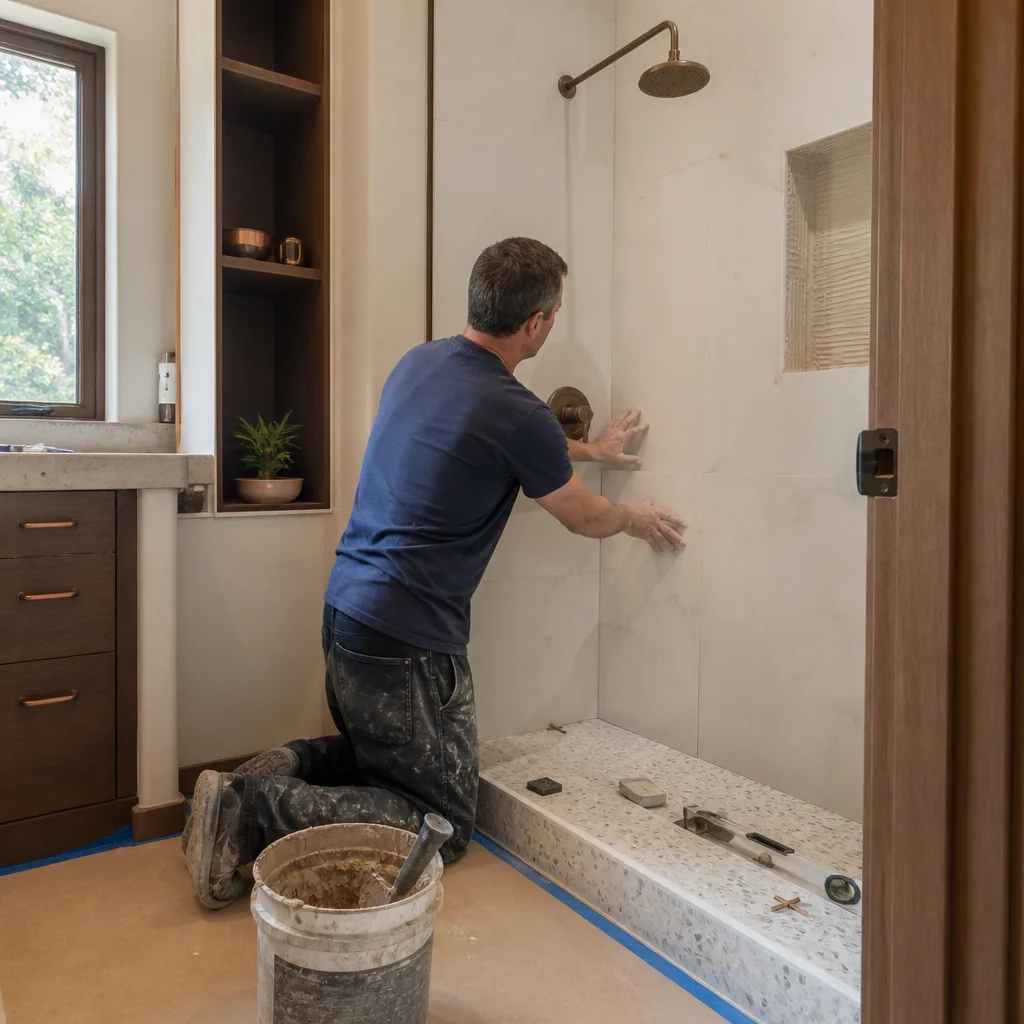
- Demolition and discovery. Tile comes off, walls come open. If we find slow leaks, mold, or plumbing that won’t support the new layout, we photograph everything and discuss options before proceeding.
- Rough-in inspections. Plumbing and electrical rough-in get signed off before walls are closed.
- Waterproofing and substrate. Membrane goes behind all wet surfaces. Subfloor leveling happens here.
- Tile and finish installation. Grout, sealer, plumbing trim, vanity, lighting, exhaust fan.
- Final walkthrough. We go through the room together, note touch-ups, and hand over the inspection record and warranty documents.
The technicians on our projects are background-checked and arrive in uniform. It’s a small thing on paper and a meaningful thing when they’re in your home for two weeks. Our crews have up to 12 years of experience across the trades involved in a bathroom job.
If your bathroom remodel is part of a larger exterior refresh, our work on Driveway & Pavers in Enterprise and Fence Installation in Enterprise runs on the same upfront pricing and 730-Day Done Right Promise structure.
Common Mistakes to Avoid
- Choosing finish based on looks alone. Polished brass in an Enterprise shower will be a disappointment within two years. Choose based on hardness resistance first, aesthetic second.
- Skimping on grout to save $400. Cementitious grout in this valley stains within the first year of use. Epoxy grout costs a fraction of a re-tile.
- Installing a large-format tile shower without a waterproofing membrane. Grout is not waterproof. In an Enterprise bathroom that’s opened up anyway, skipping the membrane is a missed opportunity that costs you later.
- Accepting the existing exhaust fan. If it’s undersized or venting into the attic, fix it during the remodel. It’s the only time it’s cheap.
- Not pulling a permit when plumbing or electrical moves. It becomes the buyer’s leverage at resale, and you pay for it twice.
- Hiring on the lowest bid without comparing line items. The cheapest bid is often the one that excludes the most work.
- Letting a contractor start without opening a wall to check the subfloor. “We’ll find out when we’re in there” should not be the answer to a question about your subfloor condition when you’ve paid for an estimate.
For homeowners considering Groundwork Construction Co. of Enterprise home services across multiple rooms or trades, using the same contractor for the bathroom, the exterior work, and the roof means one point of accountability and one warranty.
See the difference
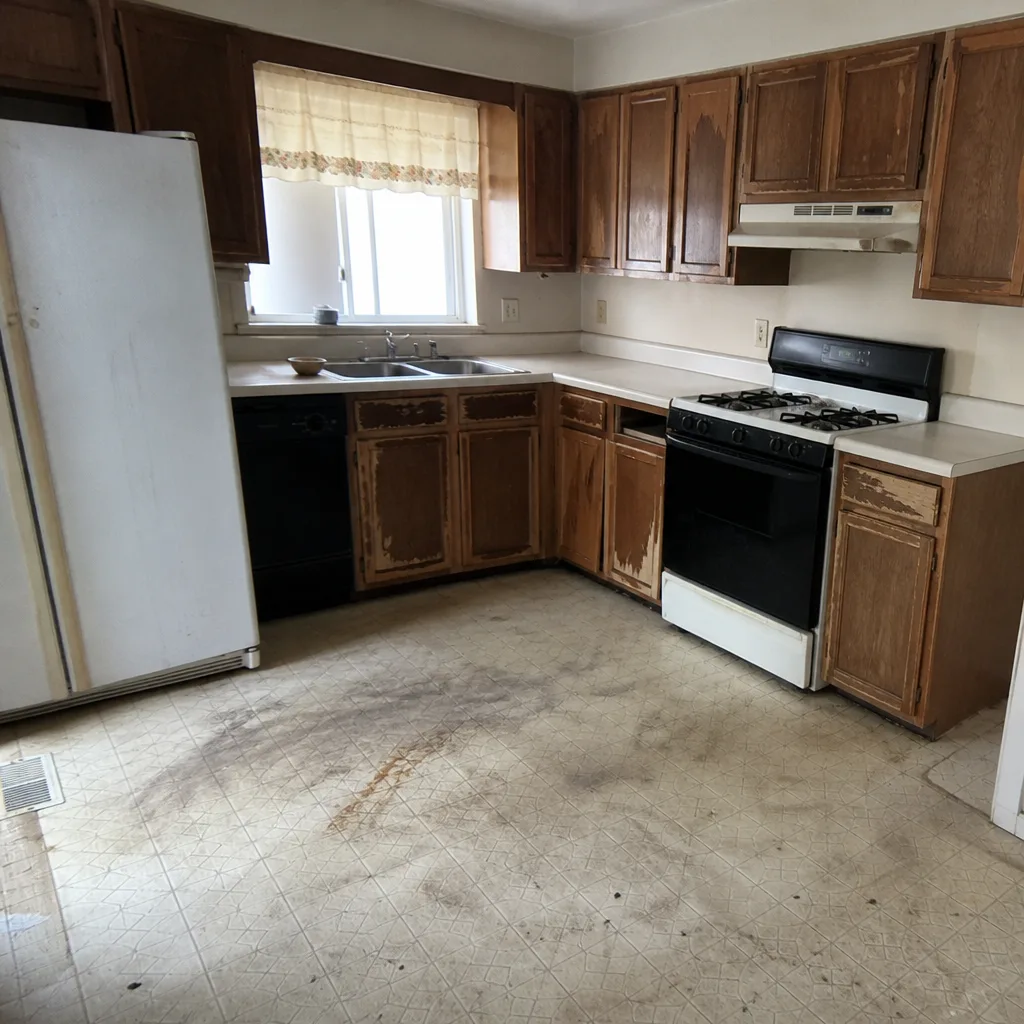 Before
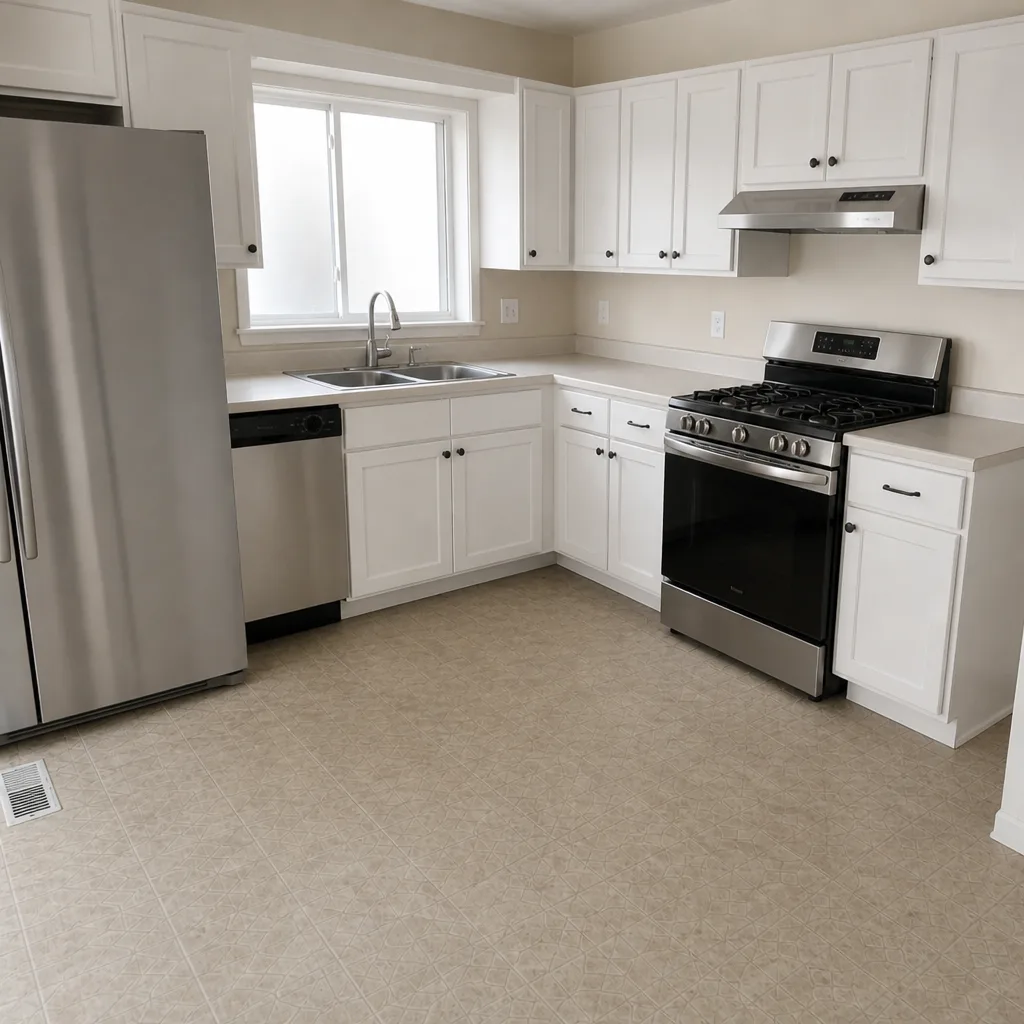 After
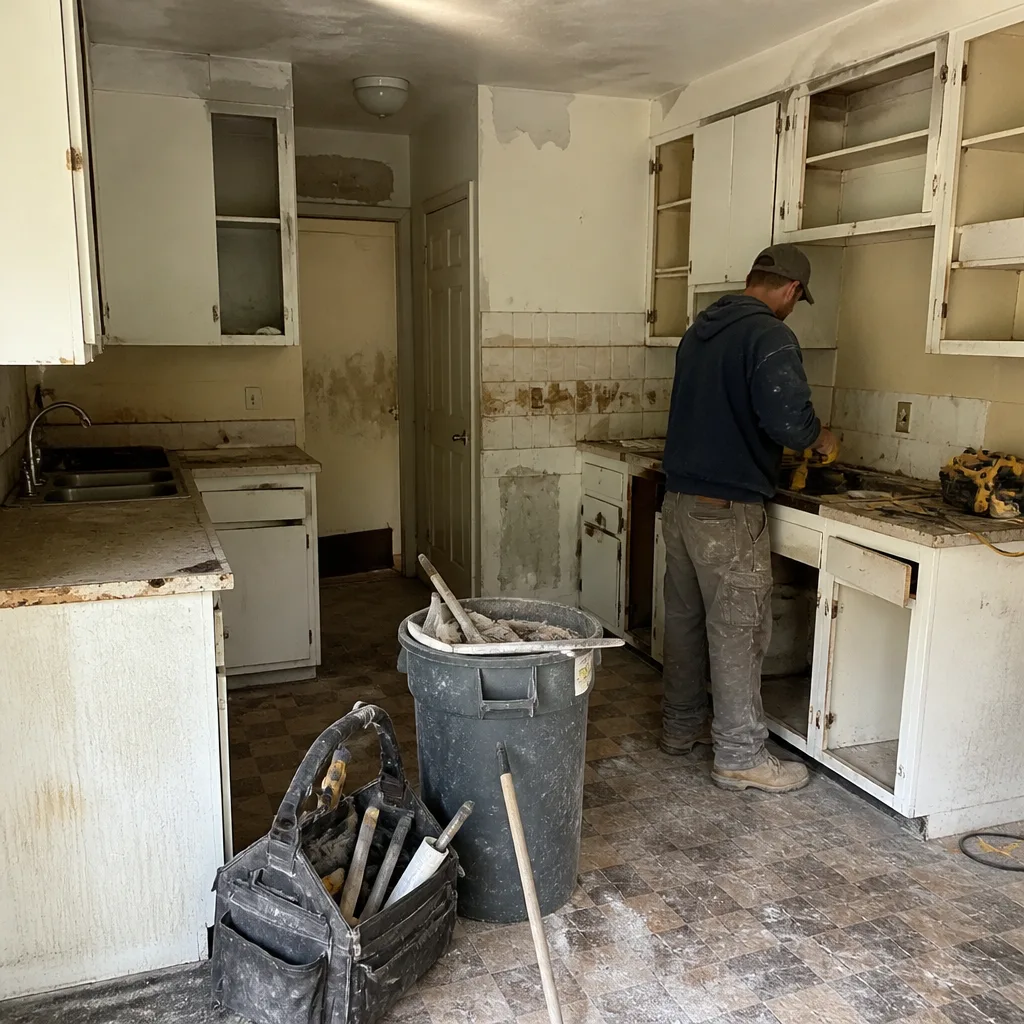 Before
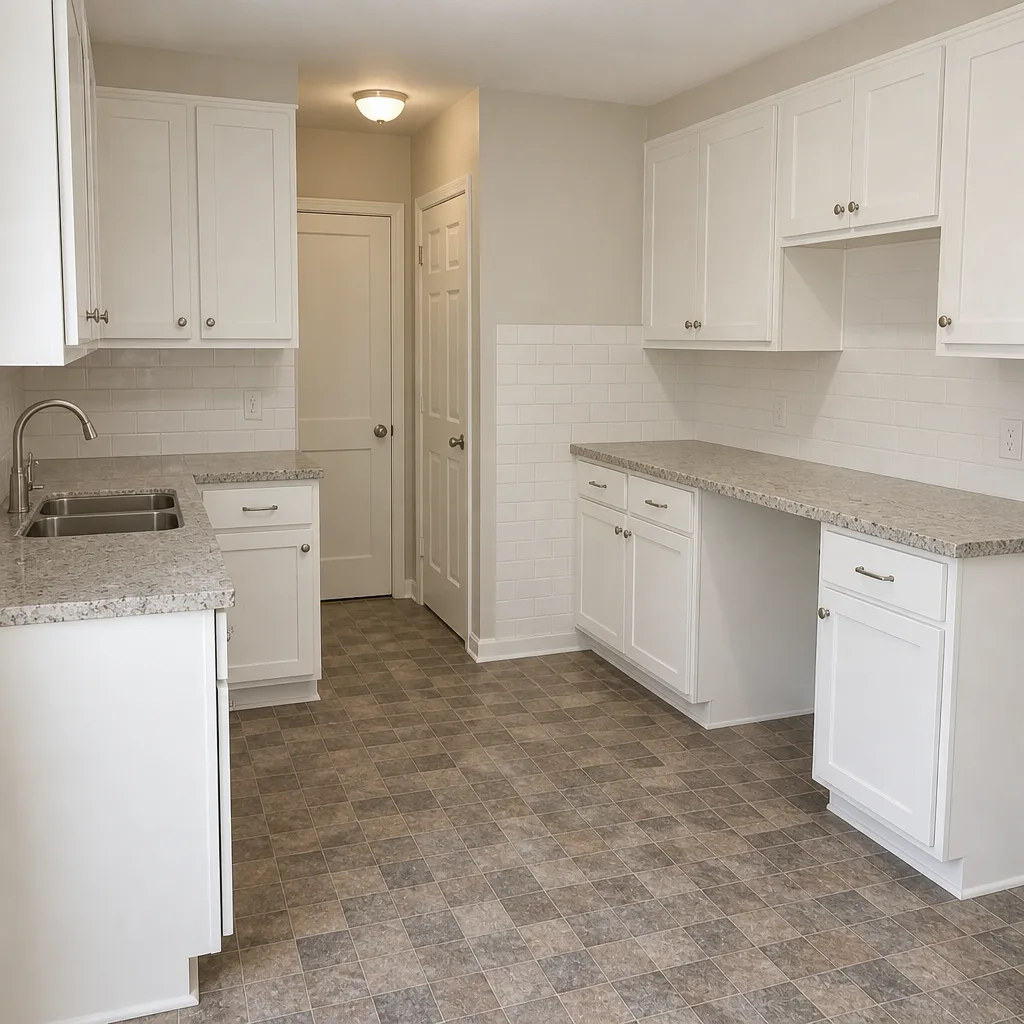 After
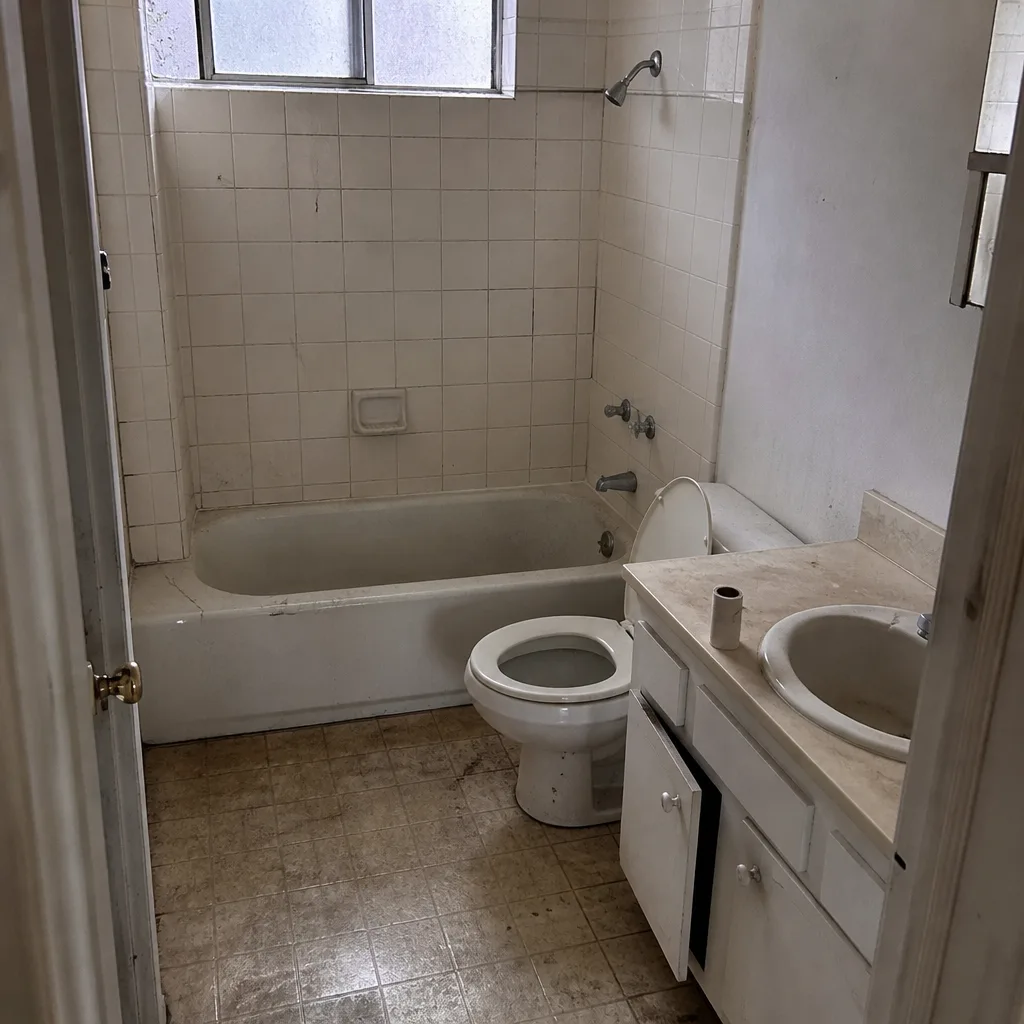 Before
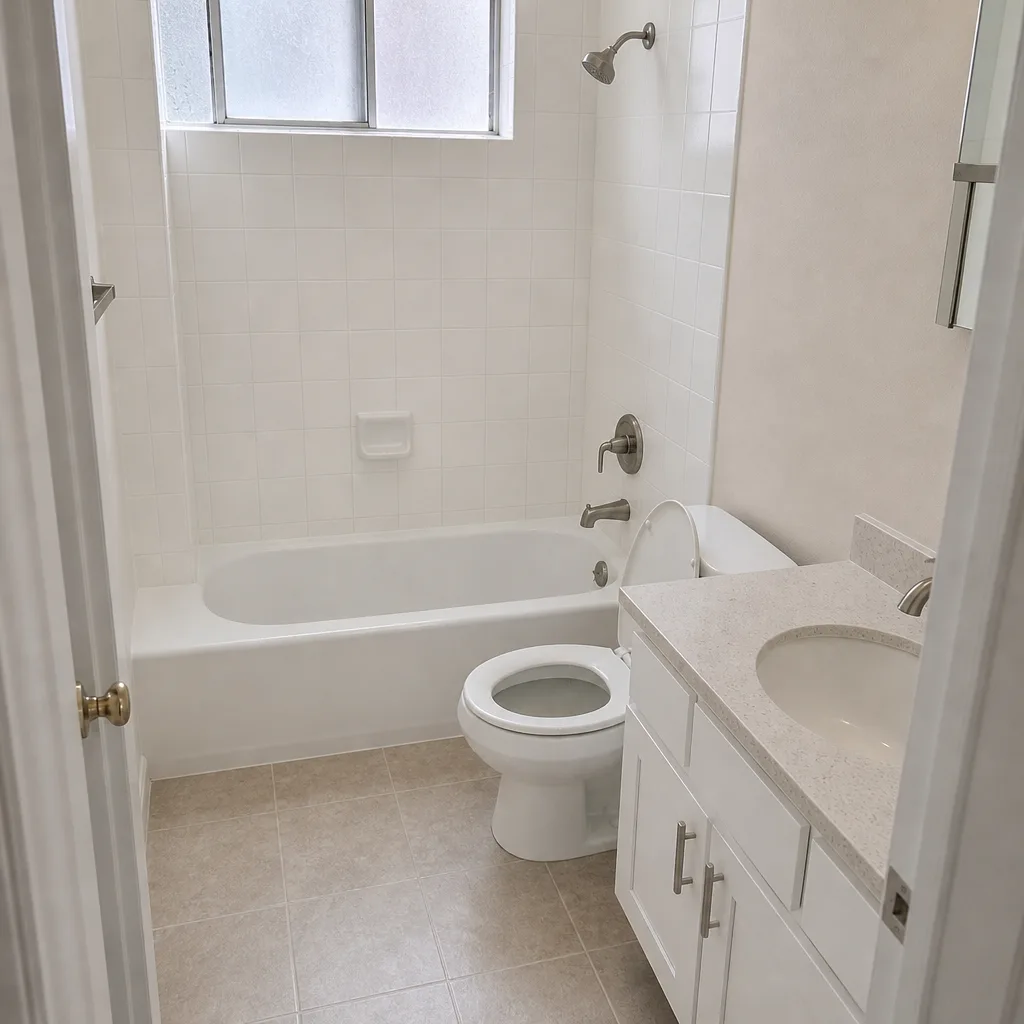 After
When to Call a Professional
Some bathroom work is genuinely a homeowner’s job. Swapping a showerhead, painting, replacing a faucet with the same connection, and re-caulking a tub are all reasonable weekend tasks. Everything else in this guide deserves a call to someone trained.
Call a professional when you’re moving any plumbing or electrical, when the existing bathroom shows signs of water damage, when the exhaust fan is venting into the attic, when you’re opening a wall in a home built in the 1990s or 2000s and need to know what’s behind it, or when a leak has started. Plumbing and electrical work are dangerous, and a slow leak you don’t see can cause significant structural damage in a single season. A qualified remodeler is not just faster; they’re the difference between a bathroom that holds up for 20 years and one that fails in two.
Groundwork Construction Co. of Enterprise offers free estimates in Enterprise. Call (844) 797-4406 and a live person answers any time, day or night. We’ll come out, look at the space, and put a written, itemized quote in your hands before you commit to anything.
Frequently Asked Questions
A full bathroom remodel in Enterprise typically runs $12,000 to $28,000, with cosmetic refreshes landing around $6,000 to $11,000 and primary suites with layout changes reaching $40,000 and up. The difference between the low and high end comes down to whether the layout is changing, what’s found behind the walls, and the fixture and tile tier you choose. Hard water in this valley makes material selection a cost factor that homeowners on the national average don’t have to think about. Call (844) 797-4406 for an exact quote on your specific bathroom. Estimates are free.
Hard water in Enterprise, between 278 and 849 ppm depending on the source, attacks cheap fixture finishes and stains porous grout faster than almost anywhere in the country. PVD-coated finishes from brands like Delta and American Standard hold up far better than decorative plating, and epoxy grout resists mineral staining where cementitious grout fails. If your hardware is already dulled, the finish is compromised and it probably needs replacing rather than polishing. Call (844) 797-4406 and we can look at what’s there and what to replace it with.
Clark County requires a permit when you move or add plumbing, move or add electrical circuits, alter structural framing, change ventilation ducting, or convert a tub to a walk-in shower with a drain or valve relocation. Purely cosmetic work like paint, replacing a faucet with the same connection, or re-tiling existing surfaces generally does not require a permit. The distinction matters at resale because unpermitted work becomes a disclosure and lender issue. We pull permits on every job that requires them and hand over the inspection record at closeout. Call (844) 797-4406 to confirm whether your project scope needs one.
A cosmetic refresh typically runs one to two weeks. A full gut remodel with layout changes usually takes four to eight weeks, depending on how much hidden work is discovered when the walls come open and how fast permitted inspections get scheduled. Having a contractor who opens a wall before finalizing scope keeps the schedule predictable, because the surprises are identified earlier. Call (844) 797-4406 to get a specific timeline for your project.
Bathroom exhaust ventilation is the most commonly skipped item and the most important. Many fans installed during the 1990s – 2000s boom are undersized for the room, and some vent directly into the attic instead of out the roof or side wall. Fixing this during a remodel costs hundreds of dollars. Fixing the moisture damage it causes later costs thousands. Waterproofing membranes behind tile and epoxy grout are the other two items worth prioritizing. Call (844) 797-4406 to talk through what your specific bathroom needs before you commit to a scope.
Our quoted price is fixed, subject only to genuinely hidden conditions found after demolition, which we document with photos and discuss with you before any additional work happens. We don’t hand you a low number to win the job and then add change orders once the walls come down. Every job is backed by the 730-Day Done Right Promise: if it’s not done right, we make it right. Call (844) 797-4406 for an upfront, line-item quote with no surprises.
The Bottom Line
A bathroom remodel in Enterprise is a durability project first and a design project second. The hardness of Las Vegas Valley water reshapes what to install. The age of the housing stock means some projects will reveal hidden conditions that change the budget. The permit line in Clark County needs to be treated carefully for resale reasons. A good quote names the scope, the materials by model, the contingency, the permit, and the warranty in writing. Get those things on paper and you’ll know what you’re buying. Skip them and you’ll inherit the surprises later. Call Groundwork Construction Co. of Enterprise at (844) 797-4406 to schedule a free estimate and design consult. We answer with a live person around the clock, we work from upfront pricing, and every bathroom we finish is covered by the 730-Day Done Right Promise.
Written by the team at Groundwork Construction Co. of Enterprise.