Last updated November 18, 2026
Free written scope consultation - allowances, timeline, and change-order rules on paper before a single trade is scheduled
The Complete Windows & Doors Guide for Enterprise Homeowners
Enterprise sees more than 294 days of sunshine a year. That sounds like a selling point until you learn what it does to glass. UV exposure breaks down window seals and cooks door finishes at close to twice the rate of milder climates, and almost no manufacturer warranty is written with the high desert in mind. This guide is built around that reality. We’ll walk through which frame materials survive Enterprise’s temperature swings, what Clark County energy code actually requires of your windows, how the age of your home changes the job, and which product lines hold up here. If you’re replacing windows or doors in Enterprise, read this before you sign anything.
Quick Answer
In Enterprise, window and door replacement should be driven by UV resistance, thermal performance, and dust sealing, not curb appeal alone. Fiberglass and wood-clad frames hold up best against the desert’s daily temperature swings, and any window you buy should meet Clark County’s energy code for U-factor and solar heat gain. Full-frame replacement costs more but fixes the air leaks and header problems common to pre-2000 Enterprise homes; inserts are cheaper but don’t address structure.
Styles & brands we work with
- Kitchen remodeling
- Bathroom remodeling
- Home additions & ADU
- Roofing
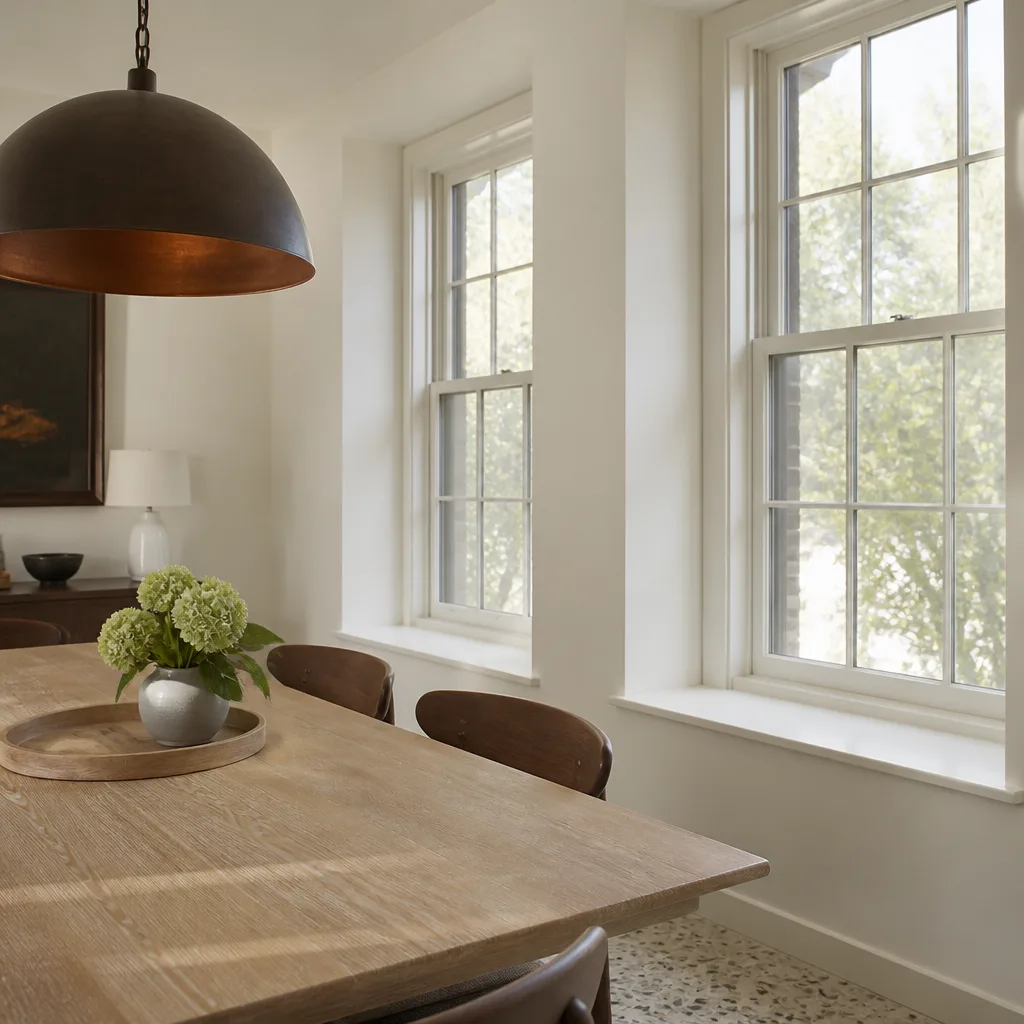
- Windows & doors
- Driveway & pavers
- Fence
Table of Contents
- Why Enterprise’s Climate Breaks Windows Others Survive
- Frame Materials That Hold Up in the High Desert
- Clark County Energy Code: What Your Windows Must Meet
- Matching Window Specs to Your Home’s Age
- Replacement vs. Insert: Which Makes Sense Here
- Brand Product Lines That Perform in High-Desert Conditions
- Exterior Doors: Where Desert Heat Does the Most Damage
- How a Professional Window Job Actually Runs
Why Enterprise’s Climate Breaks Windows Others Survive
The high desert doesn’t just get hot. It swings. An Enterprise afternoon in July can hit 105°F, and that same window frame cools toward 80°F once the sun drops. That swing repeats hundreds of times a year, and every cycle flexes the frame, gasket, and sealant. Vinyl expands and contracts more than fiberglass, wood, or aluminum, which is why cheap vinyl units tend to fail early here. The sealant bead at the perimeter of a window is the part most people never see and the part that fails first.
The UV load compounds it. Direct sun degrades gaskets, weatherstripping, and the finish on doors. A south-facing door in Enterprise takes the worst of it, which is why we see door finishes breaking down years before their published warranty suggests. Add wind-driven dust from spring gusts and you get the third problem: infiltration. Dust doesn’t just make windows dirty. It works into tracks and seals and grinds down moving parts on sliding doors and casement operators.
Any buying decision you make in Enterprise should weigh three things:
- UV resistance of frames, seals, and glazing.
- Thermal cycling tolerance given the day-night temperature swing.
- Dust and wind infiltration resistance, which depends on frame tolerance and sealing quality.
When we evaluate a window for an Enterprise home, we’re not comparing showroom aesthetics. We’re asking whether the unit survives the twentieth summer. That’s the lens this whole guide uses.
Frame Materials That Hold Up in the High Desert
Frame material matters more in Enterprise than in most of the country. The wrong choice costs you a second replacement within a decade. Here’s how the three main options actually perform in our climate.
Vinyl
Vinyl is the most affordable option and by far the most common. Quality vinyl does fine in Enterprise if the wall thickness and seal design are up to spec. The catch is that thin vinyl warps under prolonged sun. Color matters too: dark vinyl frames absorb more heat and degrade faster than light ones. If you go vinyl, choose light colors and ask the installer to confirm the frame rating for high-UV climates.
Fiberglass
Fiberglass frames move roughly with the glass, which makes them the strongest performers against thermal cycling. Fiberglass also resists UV without warping and holds a finish longer than vinyl. It costs more than vinyl and less than wood-clad. For a south- or west-facing elevation in Enterprise, fiberglass is often the best dollar-for-dollar choice.
Wood-Clad
Wood-clad units give you wood on the interior and aluminum or vinyl cladding on the exterior. They perform well against UV when the cladding is intact, and they offer the best thermal performance of the three in our experience. The weakness is that any chipped cladding exposes raw wood to sun and dust. Wood-clad is a strong choice for a home you plan to keep for decades, provided you inspect the exterior cladding every couple of years.
Both Andersen and Marvin make wood-clad and fiberglass products that hold up in high-desert conditions. Ask for the product spec sheet before you commit, not after.
Clark County Energy Code: What Your Windows Must Meet
Windows are a major driver of cooling cost in Enterprise, and Clark County’s energy code is written for that. Compliant replacement windows need to hit a U-factor and solar heat gain coefficient (SHGC) that fit the climate zone. Lower U-factor means better insulating value. Lower SHGC means less solar heat entering the home. In our climate, the SHGC matters as much as the U-factor because the sun load in July is the biggest energy cost driver.
How to verify compliance before signing:
- Ask the installer for the manufacturer’s NFRC-rated performance values for the exact model and glass package you’re buying. Don’t accept “it meets code” without the paperwork.
- Confirm the U-factor and SHGC meet or beat the current Clark County requirement for replacement windows in existing homes.
- Check that the permit references the certified performance values, so the inspector can verify them on site.
- Keep the NFRC label and spec sheet. You’ll need them at inspection and for any future warranty claim.
If a contractor skips the permit or waves off the energy code as a formality, walk away. Unpermitted window work becomes an issue when you sell, and we’ve seen buyers walk over it. Groundwork pulls permits and passes inspections on the work we do; that’s a fixed part of the job, not a favor.
Matching Window Specs to Your Home’s Age
Enterprise has homes from multiple eras, and the age of your home changes the scope of the job in ways most guides ignore.
Pre-2000 Homes
Older homes in Enterprise often have framing and header issues that appear once the old window comes out. We regularly find dry rot, failing structural headers, or out-of-square openings on homes of this age. When that happens, a straight swap becomes structural work. Budget for the possibility and make sure the quote allows for it. An installer who tells you it’s always a simple swap is guessing.
2000 – 2015 Homes
Builder-grade windows from this era are still in service in many Enterprise neighborhoods, and they’re often the ones developing seal failures. Original gaskets are wearing out, and the original frames may still be fine. If the frame is sound, an insert can work here and save you money.
Post-2015 Homes
Newer Enterprise homes typically have modern frames and current energy ratings. Failed seals on newer builds are more likely to be a warranty item than a replacement. Check the original builder warranty before you assume you’re paying for new glass.
Age is a rough guide, not a rule. The real answer comes from a site visit, where we can see the framing conditions and sealing details that paperwork won’t reveal.
Replacement vs. Insert: Which Makes Sense Here
This is where most Enterprise homeowners get confused, and where a lot of money gets spent on the wrong product.
Full-frame replacement removes the old window down to the rough opening. New frame, new sill, new flashing, new seal. It fixes air leaks, catches hidden rot, and lets you correct framing issues. It costs more and takes longer.
Window inserts fit a new sash and glass into the existing frame. They cost less and install faster. They don’t touch the frame, flashing, or header. If the existing frame is failing or the opening was never sealed correctly, an insert hides the problem without solving it.
For most Enterprise homeowners we work with, full-frame replacement is the right call, particularly on pre-2000 homes where we’ve seen repeated air leakage and framing issues. The one case where an insert makes sense is a newer home with a sound frame and a failed seal.
Questions to settle with your contractor before choosing:
- What’s the condition of the existing frame and sill?
- Are there signs of rot, air leakage, or failed flashing?
- Does the window opening match standard sizes, or will we need custom dimensions?
- Which option gives you the energy performance you’re paying for?
Brand Product Lines That Perform in High-Desert Conditions
Brand names matter less than the specific product line and the NFRC ratings behind it. That said, a few manufacturers make lines that hold up better in our climate.
Andersen’s fiberglass and wood-clad lines are solid choices for Enterprise, particularly on elevations that take heavy sun. Pella makes products with strong glass packages, though you’ll want to verify the specific line’s U-factor and SHGC against our climate zone before you buy. Marvin’s fiberglass and wood-clad products perform well against thermal cycling. What we look for in any brand is not the name on the sash but the NFRC rating, the frame material and wall thickness, and the warranty terms that apply to extreme climate conditions.
Groundwork works with a curated set of top-tier material partners across every trade, including Andersen and Marvin for windows. We’re not limited to one manufacturer, so we can match the product to your elevation, budget, and home.
The same logic applies to the other exterior trades on your home. Whether you’re replacing the roof, the driveway, or the fence line, the material has to match the climate, not the catalog. If you’re planning a wider exterior refresh alongside your window job, you’ll find the same high-desert rules at work in our Driveway & Pavers in Enterprise guide and our Fence Installation in Enterprise page, where heat and UV damage drive material choice just as they do with windows.
Exterior Doors: Where Desert Heat Does the Most Damage
Exterior doors take more direct punishment in Enterprise than windows do, because they’re a large flat surface finished in a color you choose, sitting in direct sun. A dark-painted south-facing door in July can heat far above the ambient air temperature, and that heat cycles the finish daily.
What to look for in an exterior door
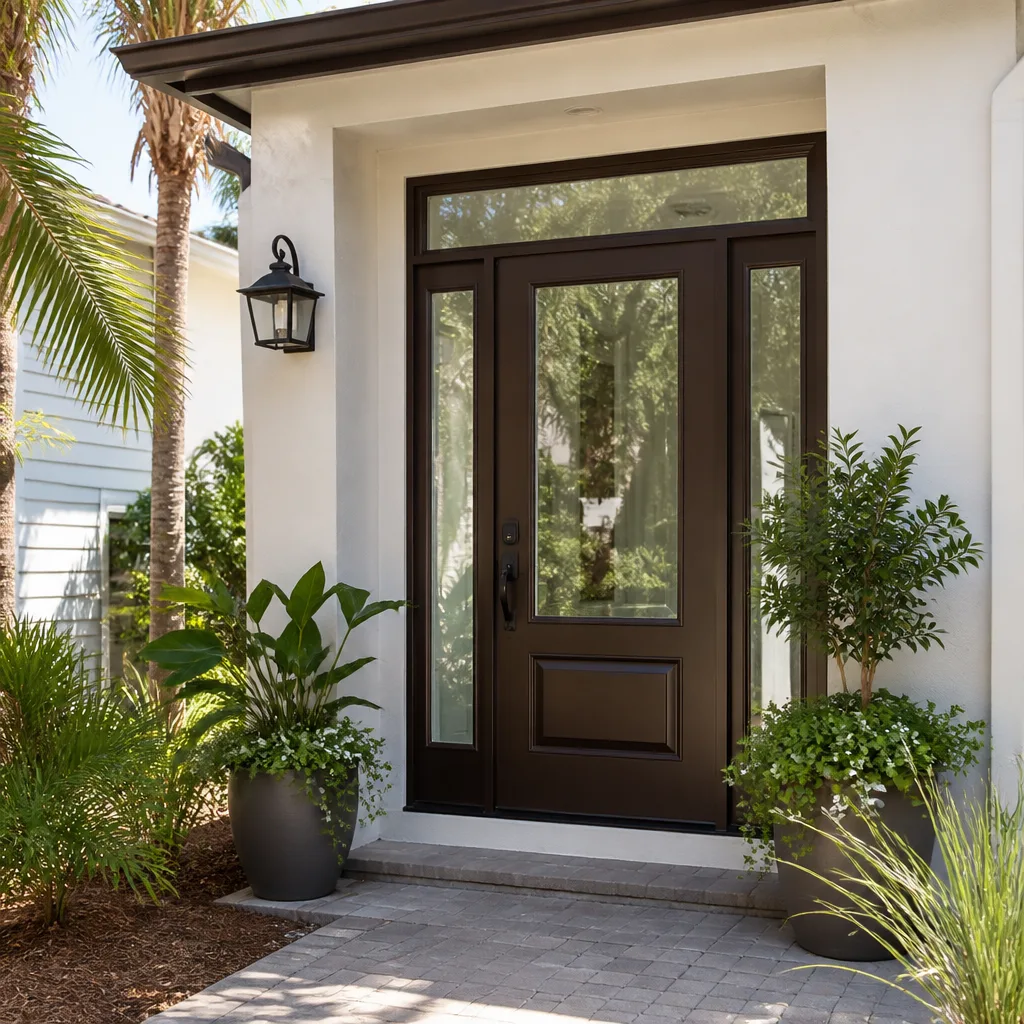
- Fiberglass doors outperform wood and steel in our climate. They resist UV, don’t warp from heat, and hold paint and finish longer.
- Steel doors are common and durable, but a dark steel door absorbs heat and can warp the interior panel if the frame isn’t properly insulated. If you go steel, choose a light color and a well-insulated core.
- Wood doors are the highest-maintenance option in the desert. They need re-finishing every couple of years to hold up.
Patio and sliding doors
Sliding patio doors in Enterprise tend to fail at the tracks and rollers, where wind-driven dust works into the moving parts. Look for a door with a raised track and sealed roller housing, and clean the track quarterly. It’s the single best thing you can do to extend that door’s life.
Entry door sealing
The seal on an exterior door in Enterprise is your biggest infiltration defense. Worn weatherstripping lets dust and heat in. When we replace a door, we replace the weatherstripping and threshold with the new unit, and we check the gap at every edge before we call the job done.
How a Professional Window Job Actually Runs
Here’s what a full-frame window replacement looks like from start to finish, so you know what to expect and what to ask about.
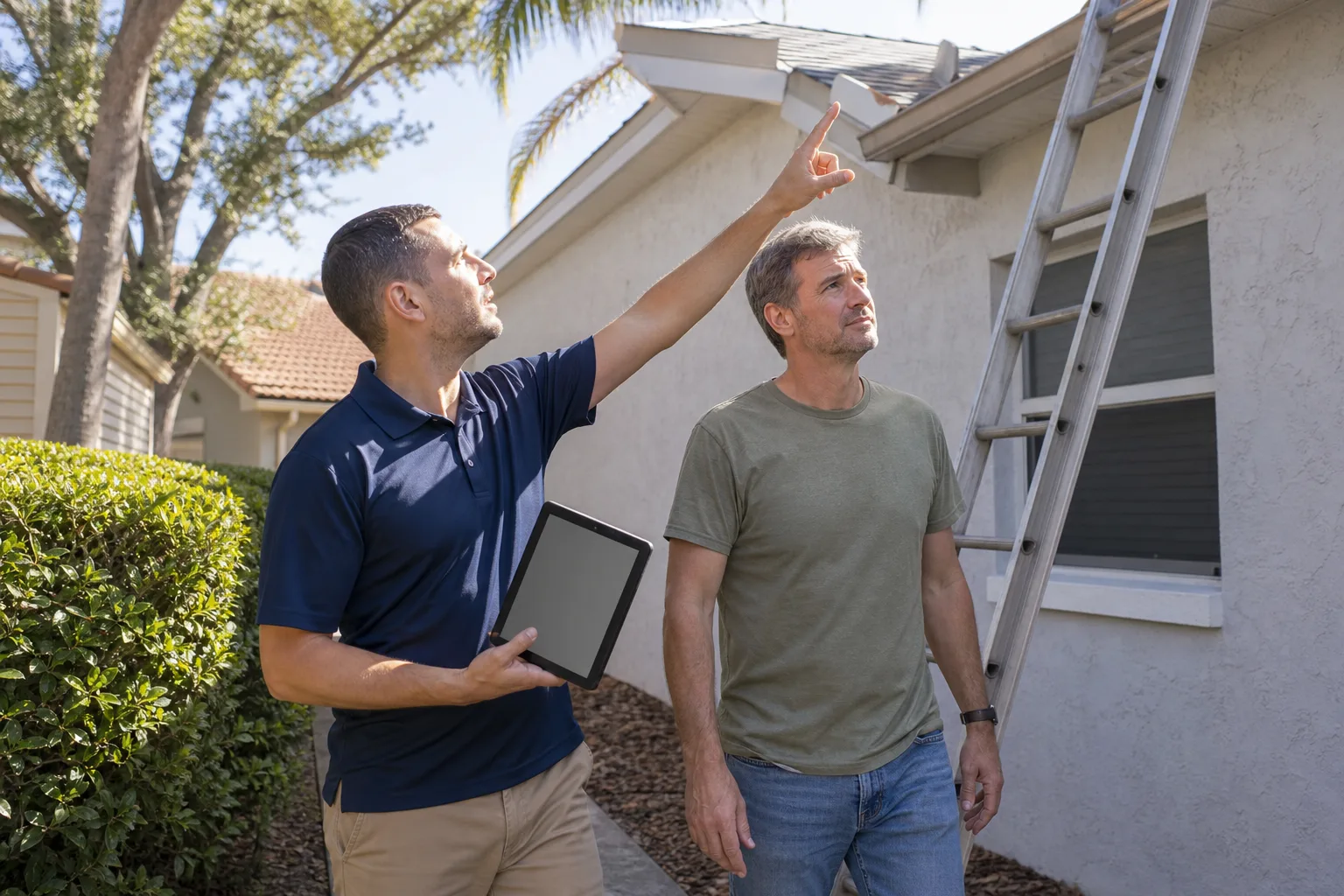
- Free estimate and site visit. We measure each opening, look at the framing condition, and review your energy goals and budget. Every quote is a written line-item estimate.
- Product selection. You choose the frame material, glass package, and door style. We confirm NFRC performance values for the exact products and match them to Clark County energy requirements.
- Permits. We pull the window permit and confirm the compliance documentation.
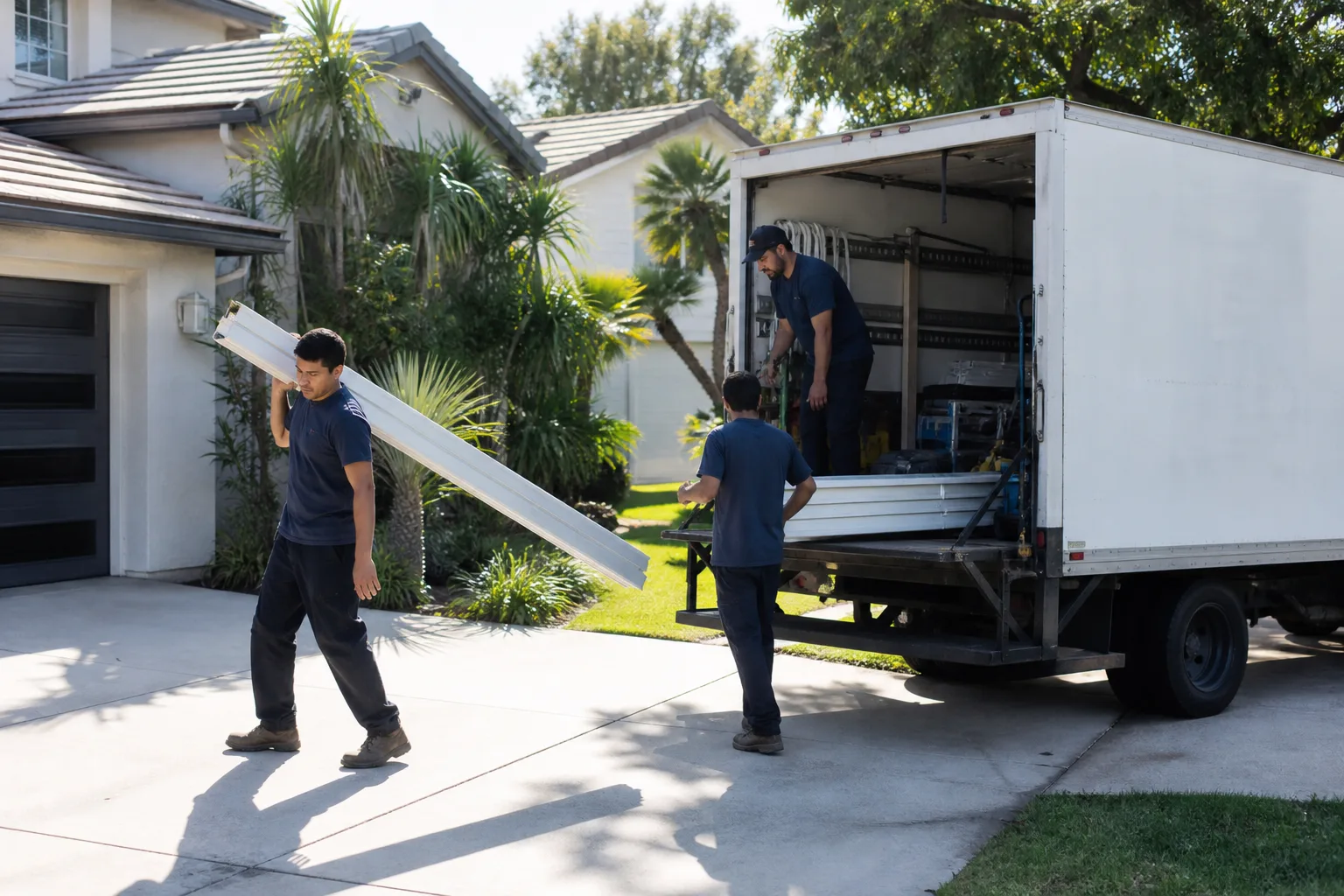
- Installation. On install day, our background-checked technicians arrive in uniform. Old units come out, the rough opening gets inspected, any rot or header issues get repaired, and the new units go in with proper flashing and sealing.
- Inspection and walkthrough. The county inspects the work. We walk the job with you and confirm every opening seals correctly and every door closes clean.
- Warranty. Every project is covered by our 730-Day Done Right Promise. If it’s not done right, we make it right. That guarantee is written into the job, not offered as a verbal promise.
Most standard window jobs take a portion of the day for smaller jobs and run into a second day for larger homes. If the job involves structural work on a pre-2000 home, allow extra time.
For homeowners planning a bigger project around the exterior, we also cover windows in the context of a full renovation. If you’re adding or expanding a structure, our Home Additions & ADU in Enterprise guide explains how glazing choices interact with new construction and insulation planning. And if you’re refreshing the exterior of a home you plan to sell, the same high-desert material logic applies to your exterior upgrades across the board. You can see how our team approaches every service line at our Groundwork Construction Co. of Enterprise home.
Common Mistakes to Avoid
- Choosing dark vinyl frames for sun-facing windows. They absorb heat and degrade faster than light-colored frames. Choose light colors if you go vinyl in Enterprise.
- Buying an insert without inspecting the existing frame. An insert on a failing frame hides a leak. It doesn’t fix one.
- Ignoring the SHGC rating. U-factor gets all the attention, but in our climate the SHGC matters just as much for cooling cost. Verify both.
- Skipping the permit. Unpermitted window work can surface when you sell, and it may not meet Clark County energy code. Verify the permit covers the exact products installed.
- Leaving half-warranty terms unread. Many window warranties assume mild climates. Read the fine print for UV, thermal cycling, and finish exclusions before you sign.
- Not replacing weatherstripping on the doors. Homeowners budget for the door and skip the seals. The seal is what keeps the dust out.
- Hiring on the lowest bid. On a job that touches framing and flashing, the lowest bid is often the one with the shortest warranty and the most exclusions. Compare the whole job, not the headline number.
See the difference
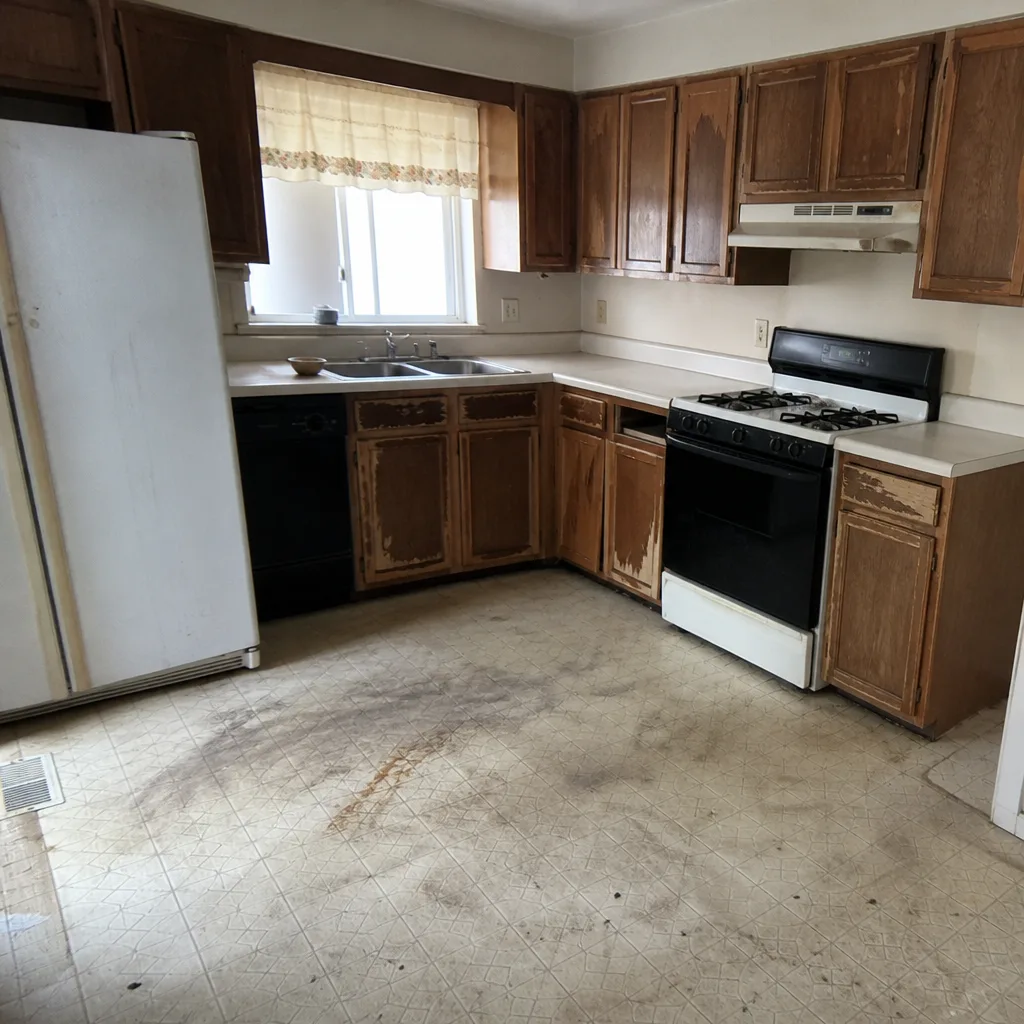 Before
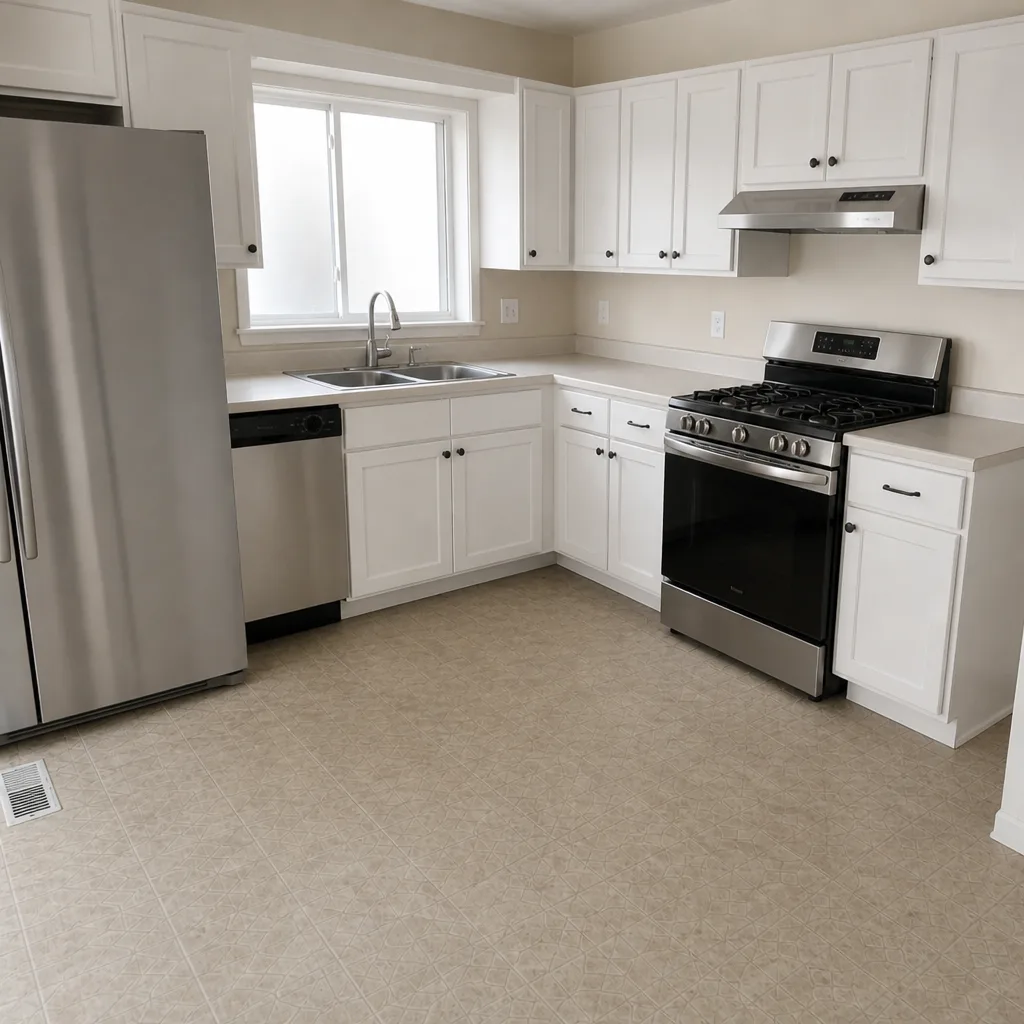 After
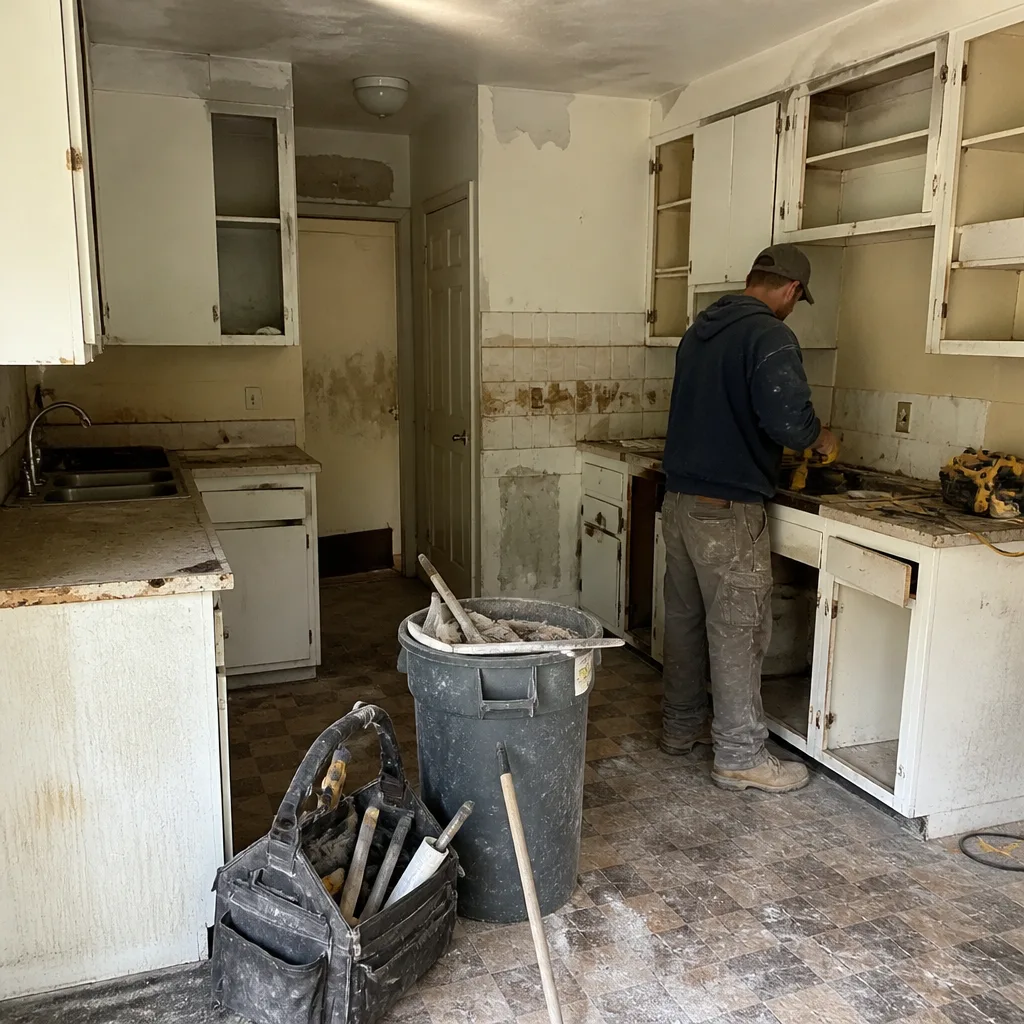 Before
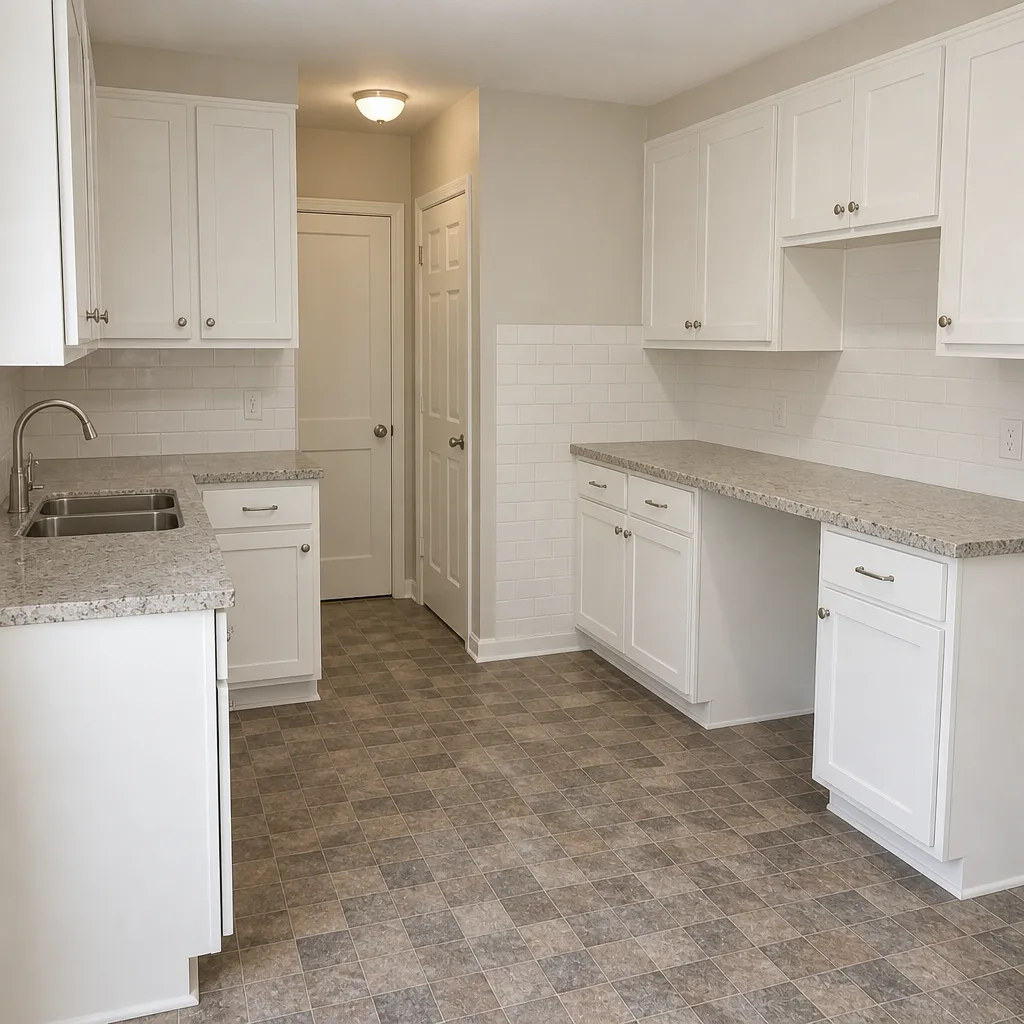 After
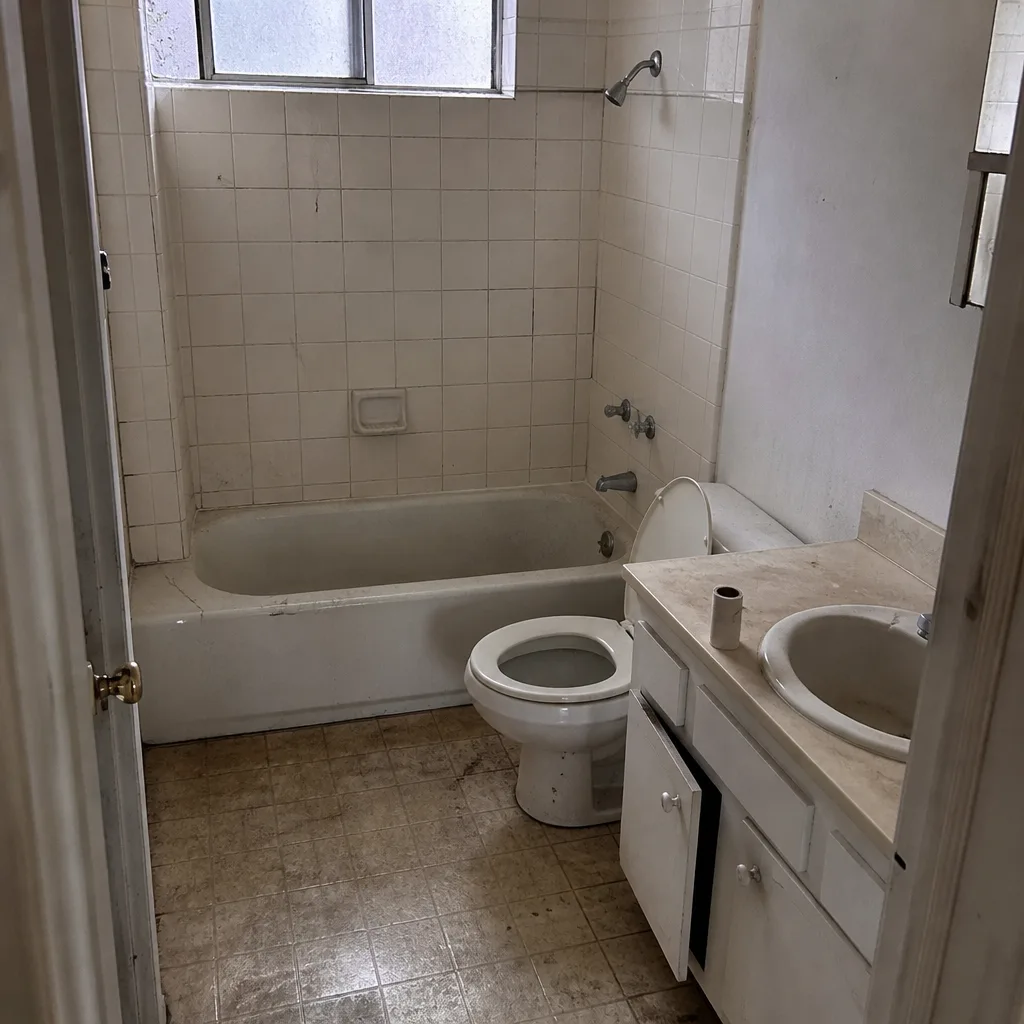 Before
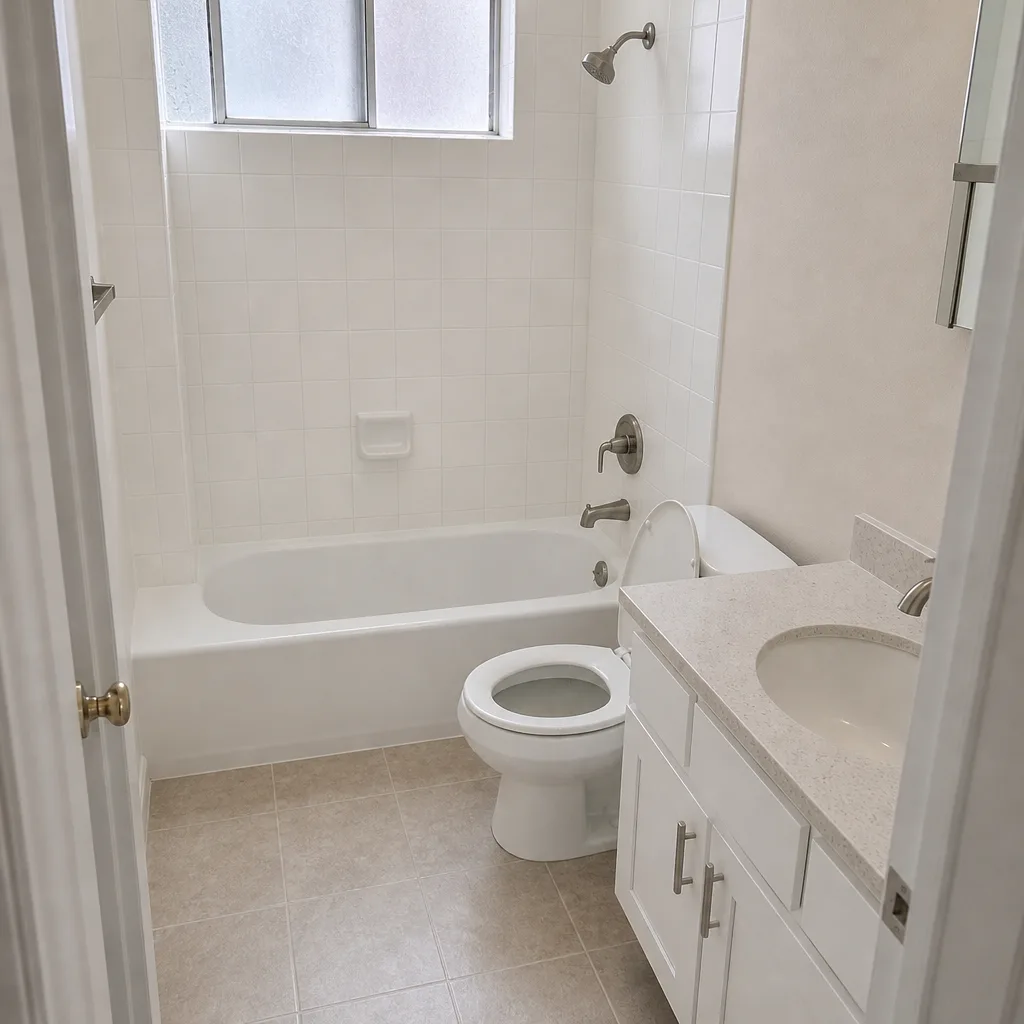 After
When to Call a Professional
Some window and door work is worth a professional, particularly in Enterprise. Replace the unit or call in a pro when you see fogged glass (a failed seal between panes), water damage or rot at the sill, drafts you can feel by hand at the frame, doors that no longer latch cleanly, or a sliding patio door that fights the track. Call before you plan a big exterior project. Any time structural framing, flashing, or header repair is involved on a pre-2000 home, that’s professional work. Our team of technicians has up to 12 years of experience, and Groundwork Construction Co. of Enterprise offers free estimates in Enterprise, cancel (844) 797-4406. We’ll walk the openings with you, explain what’s actually failing, and give you a written line-item estimate with no surprises.
Frequently Asked Questions
In Enterprise, most full-frame replacement windows fall in the range of several hundred dollars per opening for standard sizes, with larger or architectural units running higher. Inserts cost less per opening. The final number depends on frame material, glass package, and whether any framing repair is needed. Call (844) 797-4406 for an exact quote; estimates are free.
Fiberglass handles Enterprise’s daily temperature swings better than vinyl, and it resists UV without warping. That makes it the stronger choice on south- and west-facing elevations. Vinyl can work well in Enterprise if the frame is wall-thick and the color is light. Your elevation and budget should drive the choice.
You do need a permit for full-frame window replacement in Enterprise, and the permit should reference the products’ energy performance values so the inspector can verify compliance with Clark County code. Window inserts may have different requirements. Our team handles the permit and inspection as part of the job.
A smaller window job usually finishes in a day. Larger homes or jobs involving structural work on pre-2000 homes may run into a second day. We confirm the schedule in writing before the job starts, so you’re not guessing.
Yes, if the existing frame is sound, an insert can solve a failed seal on a newer home in Enterprise. It won’t fix a failing frame, air leakage, or a header problem. A site visit tells you which applies.
Our pricing is upfront, and the number you see is the number you pay. The one exception is concealed damage discovered once the old window is removed, which we document and price with you before proceeding. Groundwork’s 730-Day Done Right Promise covers the workmanship for two full years.
The Bottom Line
Enterprise windows and doors face a climate that national buying guides never account for. UV load, thermal cycling, and dust infiltration should drive every decision, from frame material to glass package to how the job is sealed. Buy for the twentieth summer, not the first one. Verify the NFRC performance values against Clark County energy code, confirm your contractor pulls the permit, and make sure the warranty covers the climate you’re actually in. Groundwork backs every job with our 730-Day Done Right Promise, and our background-checked technicians arrive in uniform for every project. No-hassle upfront pricing means the estimate is the price.
If you’re planning windows or doors in Enterprise, or a broader exterior refresh, we’ll start with a free estimate and design consult. Call (844) 797-4406 to schedule yours. Calls are answered by a live person 24/7, and we’ll give you a written line-item quote and a clear plan for the job.
Written by the team at Groundwork Construction Co. of Enterprise.