Free written scope consultation - allowances, timeline, and change-order rules on paper before a single trade is scheduled
Styles & brands we work with
- Kitchen remodeling
- Bathroom remodeling
- Home additions & ADU
- Roofing
- Windows & doors
- Driveway & pavers
- Fence
See the difference
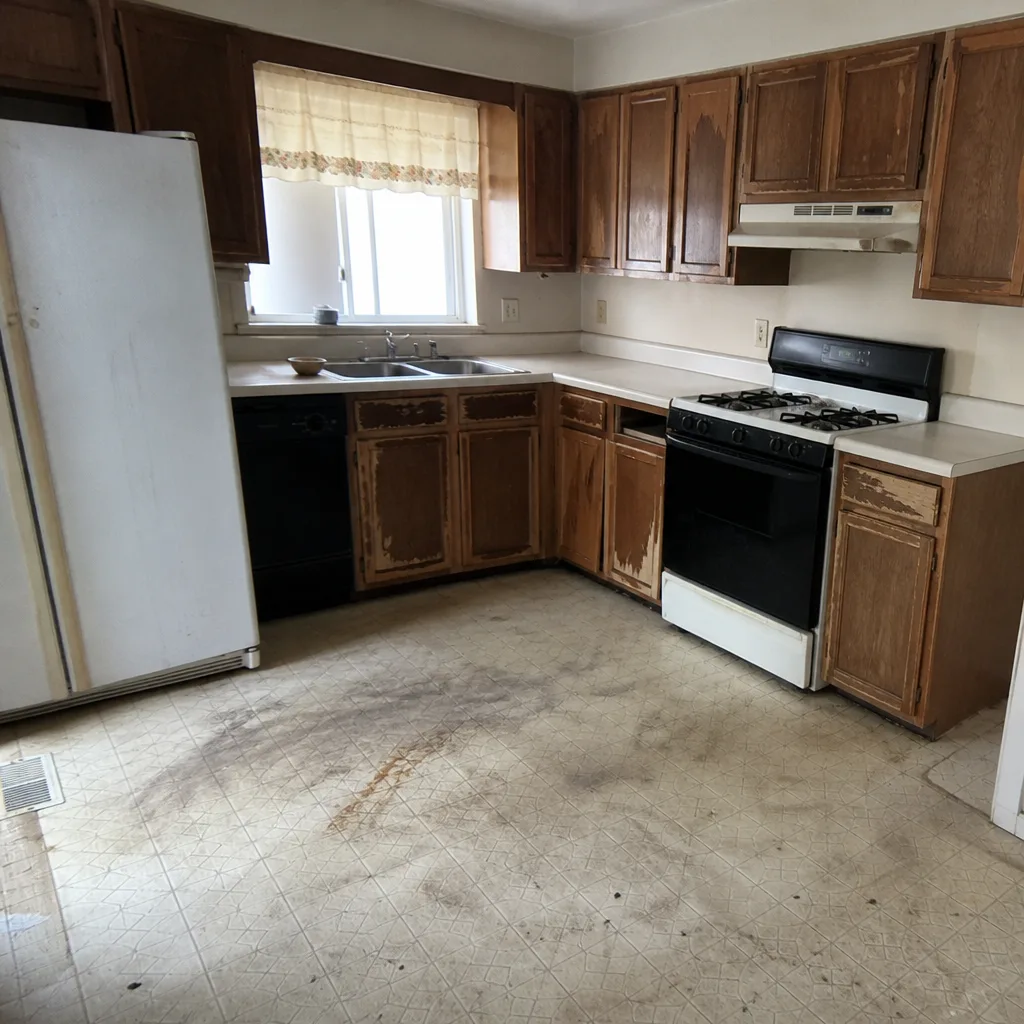 Before
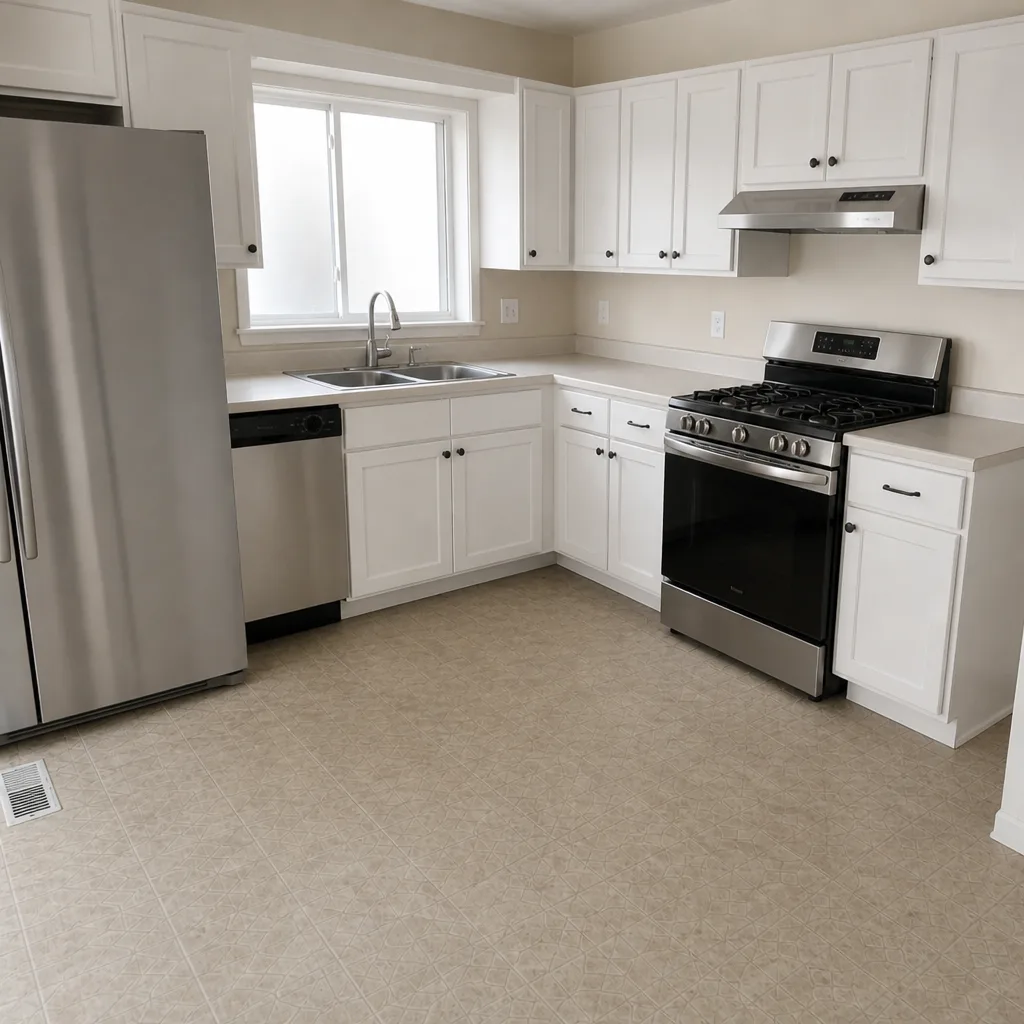 After
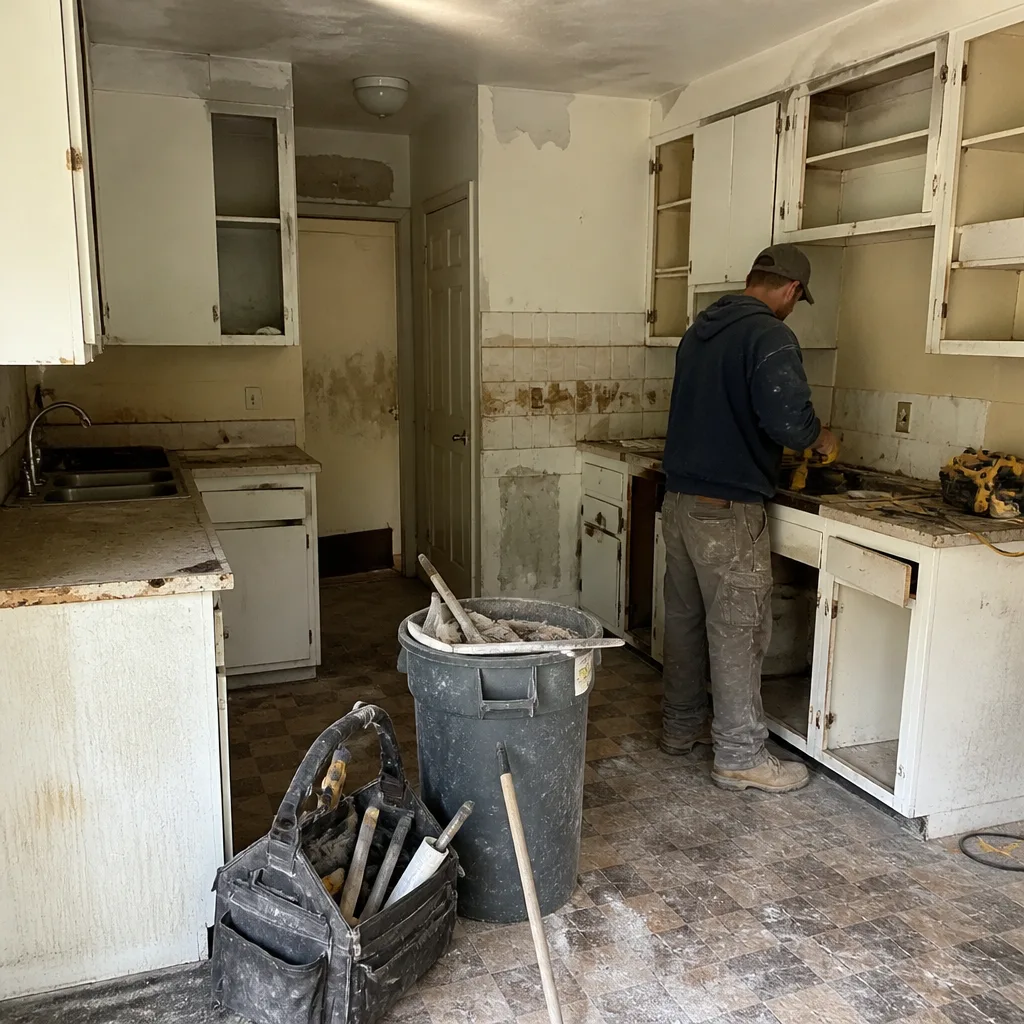 Before
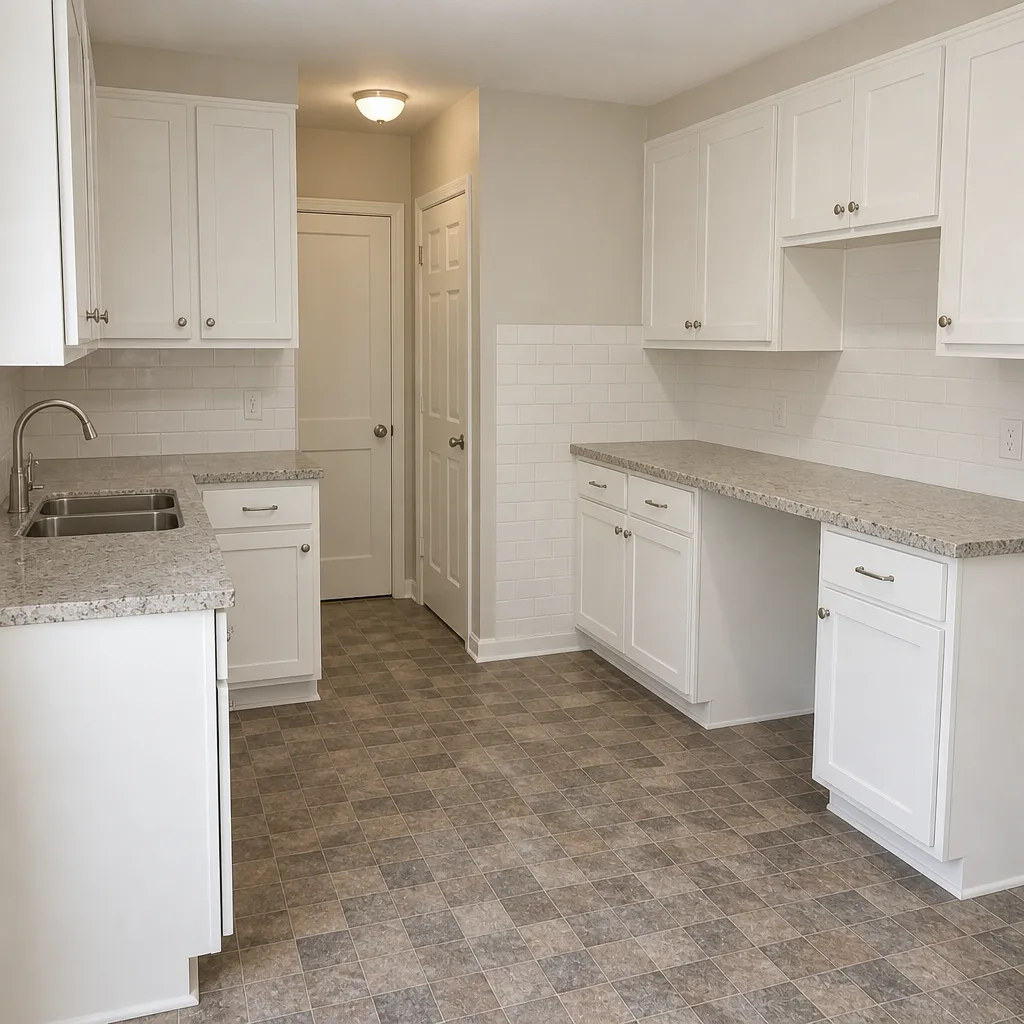 After
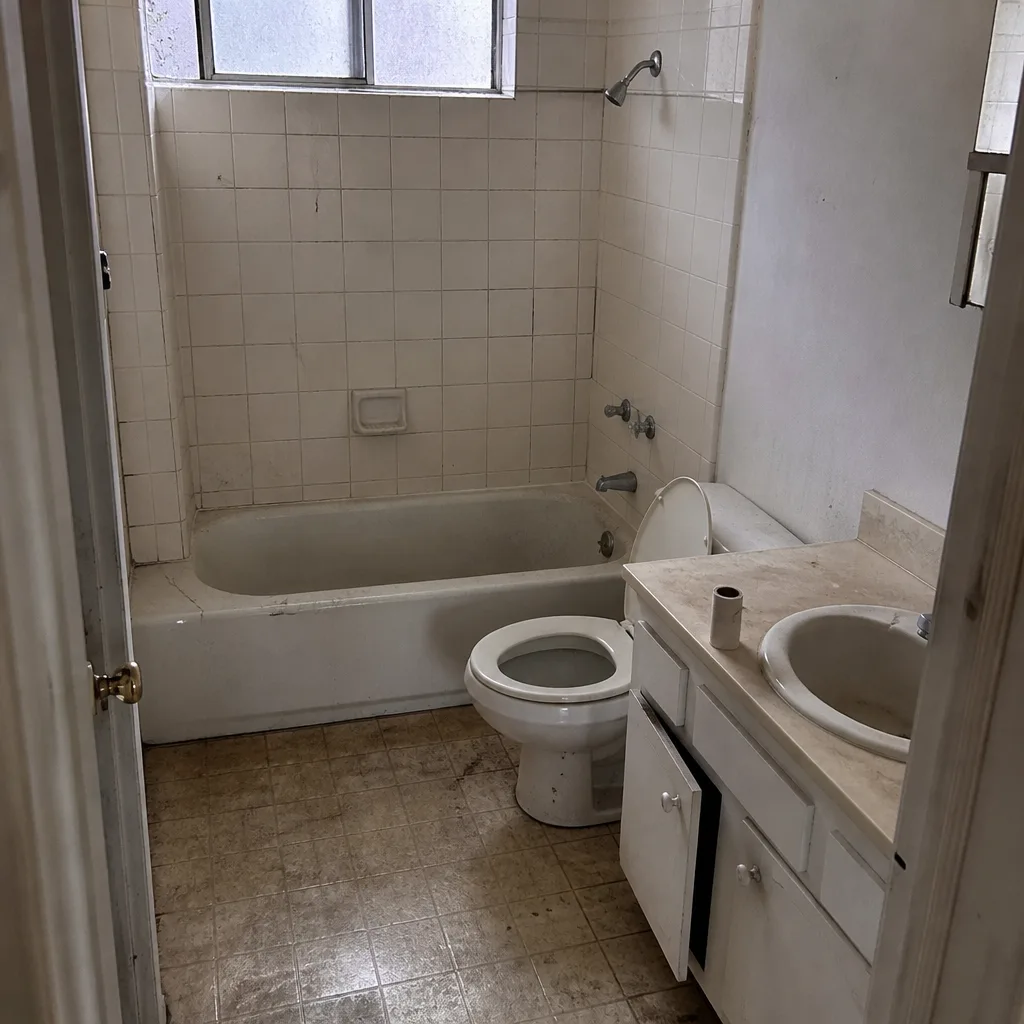 Before
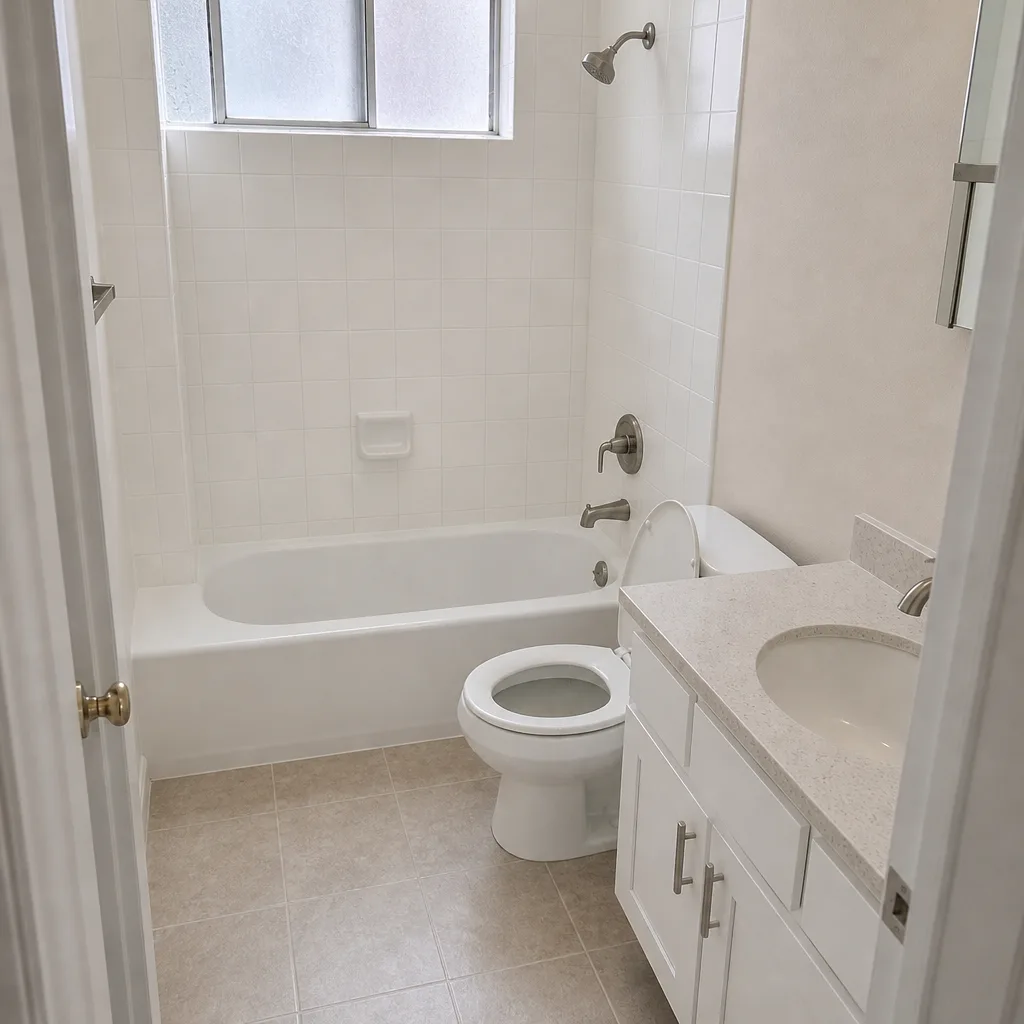 After
How Custom Windows Are Made – And Why the Factory Spec Sheet Decides How They Perform in Enterprise, NV
A custom window is built at the factory in a fixed sequence: glass is cut to size, a low-e coating is applied, the panes are separated by a warm-edge spacer and sealed into an insulated glass unit, that unit is filled with argon or krypton, and then it’s set into a frame manufactured from vinyl, fiberglass, wood or aluminum. Every one of those steps is a spec decision you can influence before the order goes out. When you order a custom Andersen or Marvin window for an Enterprise home, you’re not just picking a size. You’re configuring a glass-and-frame system that will face 25 years of Mojave UV, 115°F surface temperatures and monsoon pressure cycles. What goes in at the factory determines how it performs in year 15, not year one.
We build and install across Enterprise for Groundwork Construction Co. of Enterprise, and the questions we field most are about specs, not colors. Call (844) 797-4406 and a live person picks up around the clock if you want to talk through a spec before a single measurement gets taken.
Key Takeaways
- Frame material is a manufacturing fact, not a sales preference: fiberglass is pultruded with a near-zero thermal expansion coefficient, vinyl moves measurably with temperature.
- Low-e coating type matters. Magnetron-sputtered soft coat outperforms pyrolytic hard coat, but only inside a properly sealed unit.
- Factory argon and krypton fills are part of the order spec, not an add-on after the fact.
- Custom Andersen and Marvin orders typically run 4 to 8 weeks. In Enterprise, that means ordering in winter or late summer to hit the February-April and October-November install windows.
The order of operations inside the factory
Glass arrives at the plant in large sheets and gets cut to each opening’s dimensions first. Then comes the low-e coating, which is where most homeowners lose the thread and where the performance actually gets decided. Two families of coating dominate: pyrolytic (hard coat) and magnetron-sputtered (soft coat).
Hard coat is applied while the glass is still molten, fuses into the surface, and survives handling and cleaning. It’s durable and it’s the cheaper spec. Soft coat is deposited in a vacuum chamber one molecular layer at a time. It blocks more solar heat and more UV per unit of visible light, but it’s fragile on its own. It only works as a soft coat because the insulated unit seals it inside, protected from moisture and contact.
Next the two panes get separated by a spacer. Warm-edge spacers – stainless steel or non-metallic composite rather than plain aluminum – reduce the thermal bridge at the edge of the unit, which cuts condensation and edge-of-glass heat gain. Then the unit is sealed, gas-filled, and cured. Argon is the standard fill. Krypton performs better in tighter gaps and thinner profiles, which is why it’s often specified for narrow frames and hot-climate south-facing glass. Finally, the frame and sash are fabricated, and the sealed unit is set into it with the right glazing tape and weep system so the assembly drains the way it’s supposed to.
Why frame material is a Desert Southwest spec, not a style choice
Fiberglass is pultruded – glass fibers pulled through a resin bath and cured into a profile. The resulting thermal expansion coefficient is near zero, so the frame barely moves as the day heats up. On a foothill lot in Enterprise where surface temps swing hard between a cool morning and a 110°F afternoon, that matters for seal longevity over a decade or two.
Vinyl expands and contracts measurably with temperature. That movement translates into stress on the sealed unit and on the weatherstripping over time. It’s not a bad product, but it’s a different manufacturing reality. For west- and south-facing windows in Enterprise’s stucco-and-tile subdivisions, we routinely write fiberglass or a well-specified aluminum-clad unit into the order rather than defaulting to vinyl.
Andersen and Marvin both publish Desert Southwest performance testing for their lines. That’s the reason we specify them: the thermal specs are documented, not asserted. Generic import brands are not always accompanied by that data, and a custom window without tested performance numbers is a gamble you take in writing. When the order spec is right, the Windows & Doors install is straightforward. The manufacturing choices already did the heavy lifting.
Common local scenarios we see in Enterprise
Enterprise is Las Vegas’s southwest growth corridor, with master-planned subdivisions pushing toward the Sloan and Blue Diamond foothills. The stock is overwhelmingly 1990s-to-present stucco and tract homes in communities like Southern Highlands and Mountain’s Edge, with custom homes on the foothill edges and newer multifamily mixed in. That housing stock produces a pattern of window orders we see again and again.
- Foothill-edge custom homes: Lots on engineered fill and graded pads with retaining walls, often backing onto open desert. Defensible-space and ember-resistant detailing around the window perimeter come up in the order conversation because the window assembly is part of the exterior envelope.
- 1990s tract remodels: Original builder-grade vinyl units reaching end of life. The replacement is where the low-e and gas-fill spec gets specified properly for the first time.
- West-facing great rooms: The glass takes the full afternoon sun load. Magnetron-sputtered soft coat in a sealed unit is the right call here, not standard clear glass with a tint.
- Sloped-lot drainage: Window headers and sills on the uphill side of a graded pad need to shed monsoon water. That’s a fabrication detail (drip cap, weep location) as much as an install detail.
These are not hypothetical. We see them on most Enterprise window projects, and they’re why we start every spec conversation before anyone measures anything.
Lead times, install windows, and what “custom” actually costs
Custom Andersen or Marvin orders typically run 4 to 8 weeks from sign-off to delivery. In Enterprise that matters because the practical install windows are February through April and October through November – months that avoid the worst heat-safety scheduling problems and the monsoon weeks. Order in January to install in March. Order in August to install in October. Miss that window and a summer install means working around heat-safety rules and, for some materials, waiting for cooler hours.
Typical Enterprise ranges for the finished job:
| Scope | Typical Enterprise range |
|---|---|
| Window replacement (whole home or major portion) | $4,500 – $15,000 |
| Impact window installation | $8,000 – $25,000 |
The range is wide because the spec is wide. Frame material, low-e coating type, gas fill, spacer choice and unit count all move the number. That’s why we quote upfront pricing, no surprises, with the spec spelled out on the line items – so you can compare window to window and know what you’re actually buying. Our technicians have up to 12 years of experience, and every project carries our 730-Day Done Right Promise: if it’s not done right, we make it right.
For the surrounding service area context, our Enterprise service area page covers how we work across the corridor, and our home page lays out the full scope from foundation to finish line.
FAQs
Custom Andersen and Marvin window orders typically take 4 to 8 weeks from order sign-off to delivery in Enterprise. That lead time is why planning around the February-April and October-November install windows matters – order 6 to 10 weeks before your target install month. Call (844) 797-4406 for a free estimate and a realistic timeline for your specific spec.
Yes, for south- and west-facing glass in Enterprise, magnetron-sputtered soft coat delivers more solar heat and UV rejection than pyrolytic hard coat – provided it’s sealed inside a properly manufactured insulated unit. Hard coat holds up better to handling and is the cheaper spec, but it blocks less heat. The right answer depends on orientation and frame choice. Call (844) 797-4406 and we’ll walk you through the spec at no charge.
Yes, in one specific way: pultruded fiberglass has a near-zero thermal expansion coefficient, so it barely moves with temperature, while vinyl expands and contracts measurably. That matters for seal longevity over 15 to 20 years in Enterprise’s 100°F+ swings. Both are legitimate products. Fiberglass is the more heat-stable choice for extreme temperature cycling. Call (844) 797-4406 if you want to talk through which makes sense for your home.
Custom windows cost more because the glass is cut to your exact opening, the low-e coating and gas fill are specified per unit, the spacer and frame are fabricated to order, and the sealed unit is tested as an assembly. Stock windows share those costs across thousands of units. In Enterprise, window replacement runs $4,500 to $15,000 and impact windows run $8,000 to $25,000, depending on the spec. Call (844) 797-4406 for an exact quote – estimates are free.
If you’d rather have it looked at, Groundwork Construction Co. of Enterprise offers a no-pressure assessment in Enterprise – call (844) 797-4406. We answer live, 24/7, and we’ll talk specs before we talk price.
Written by the team at Groundwork Construction Co. of Enterprise, serving Enterprise, NV.