
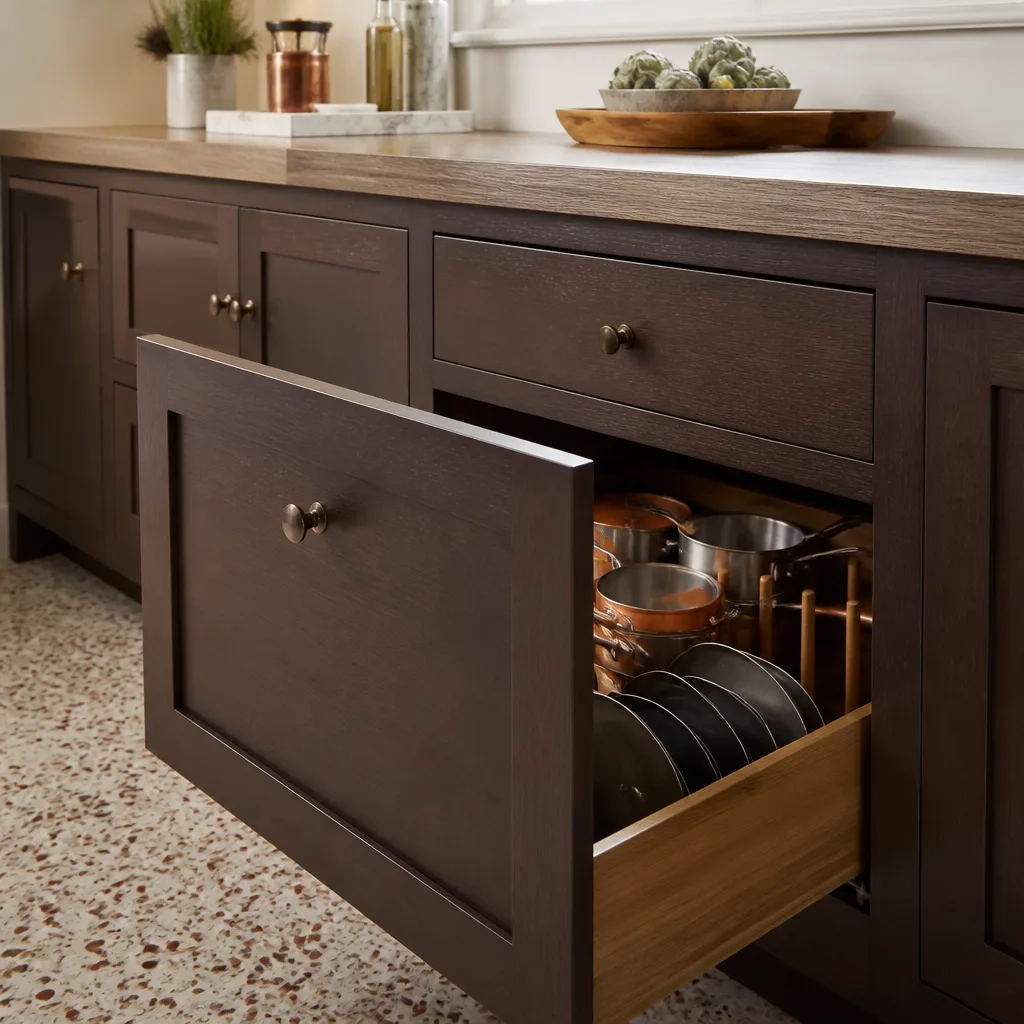


Free written scope consultation - allowances, timeline, and change-order rules on paper before a single trade is scheduled
Styles & brands we work with
- Kitchen remodeling
- Bathroom remodeling
- Home additions & ADU
- Roofing
- Windows & doors
- Driveway & pavers
- Fence
See the difference
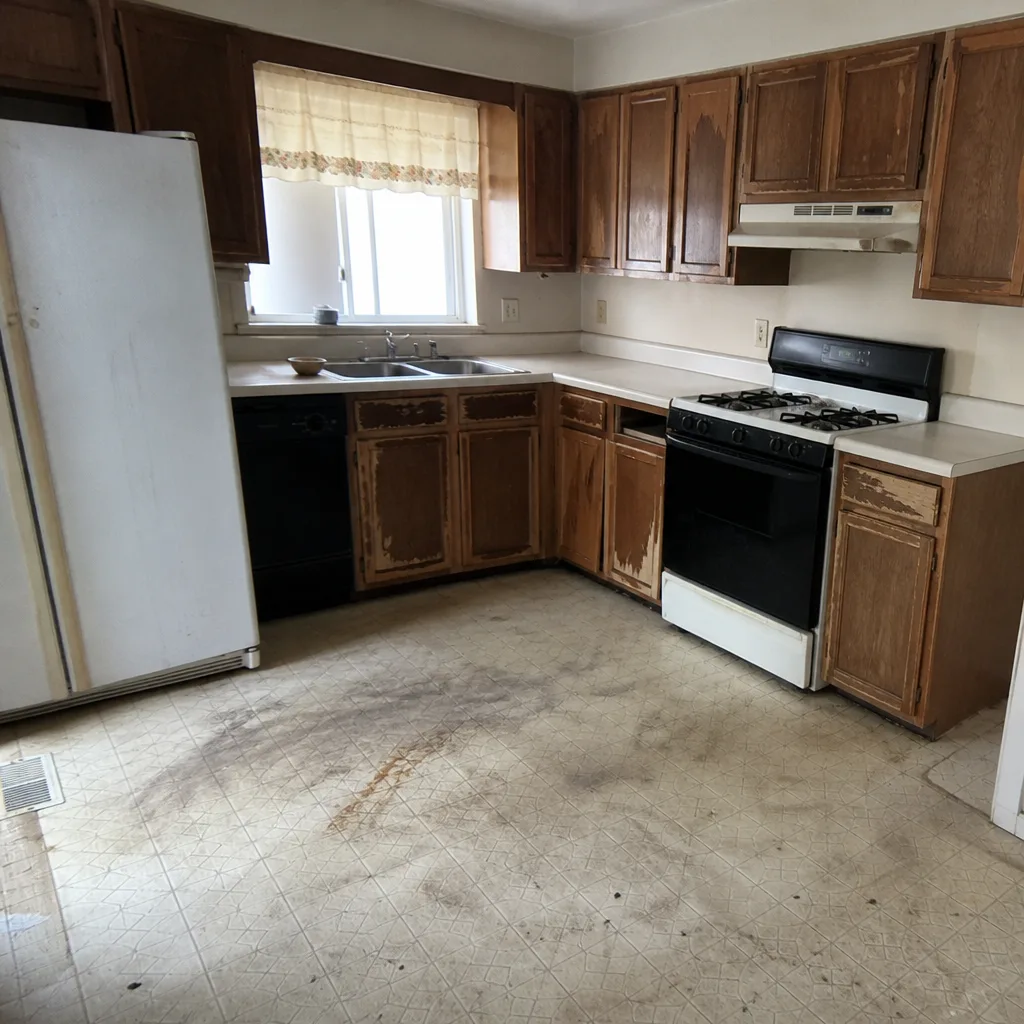 Before
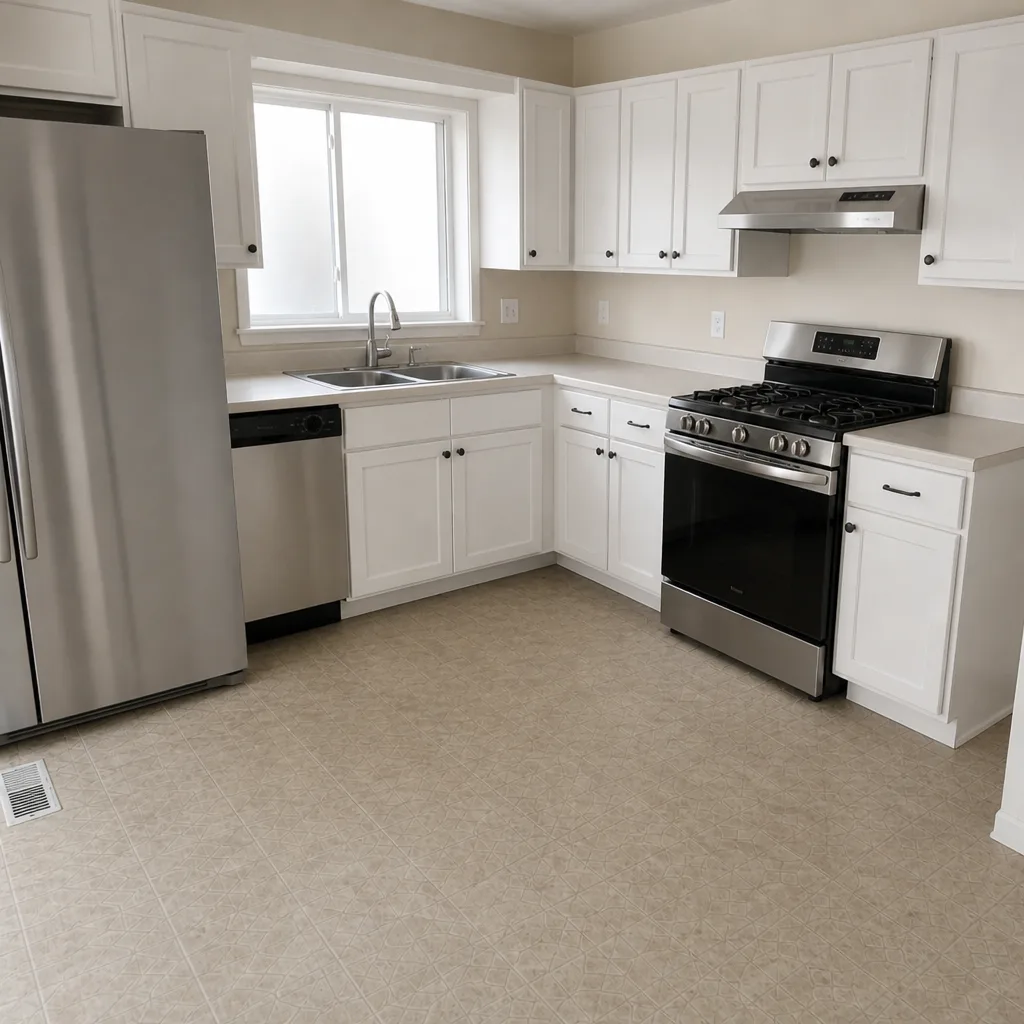 After
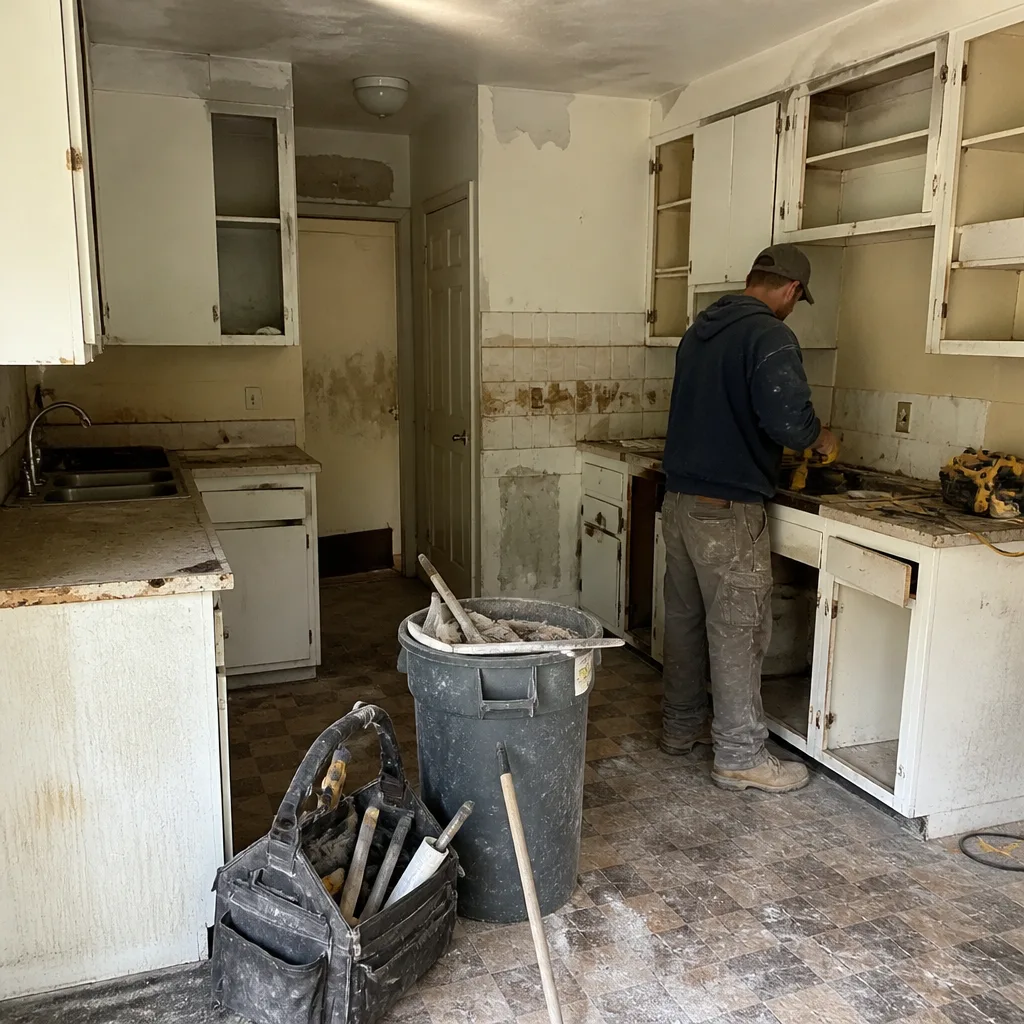 Before
 After
 Before
 After
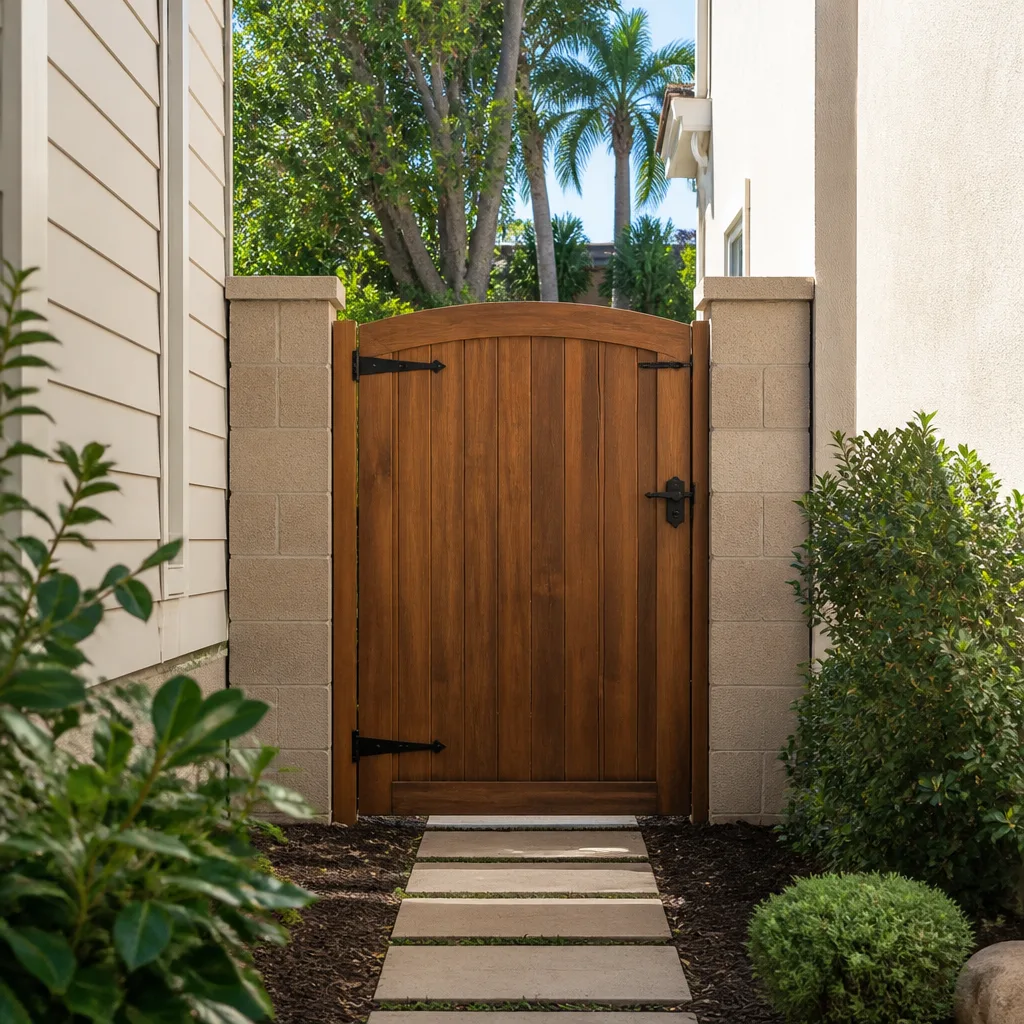
How Deep Should Fence Posts Be in Enterprise, NV?
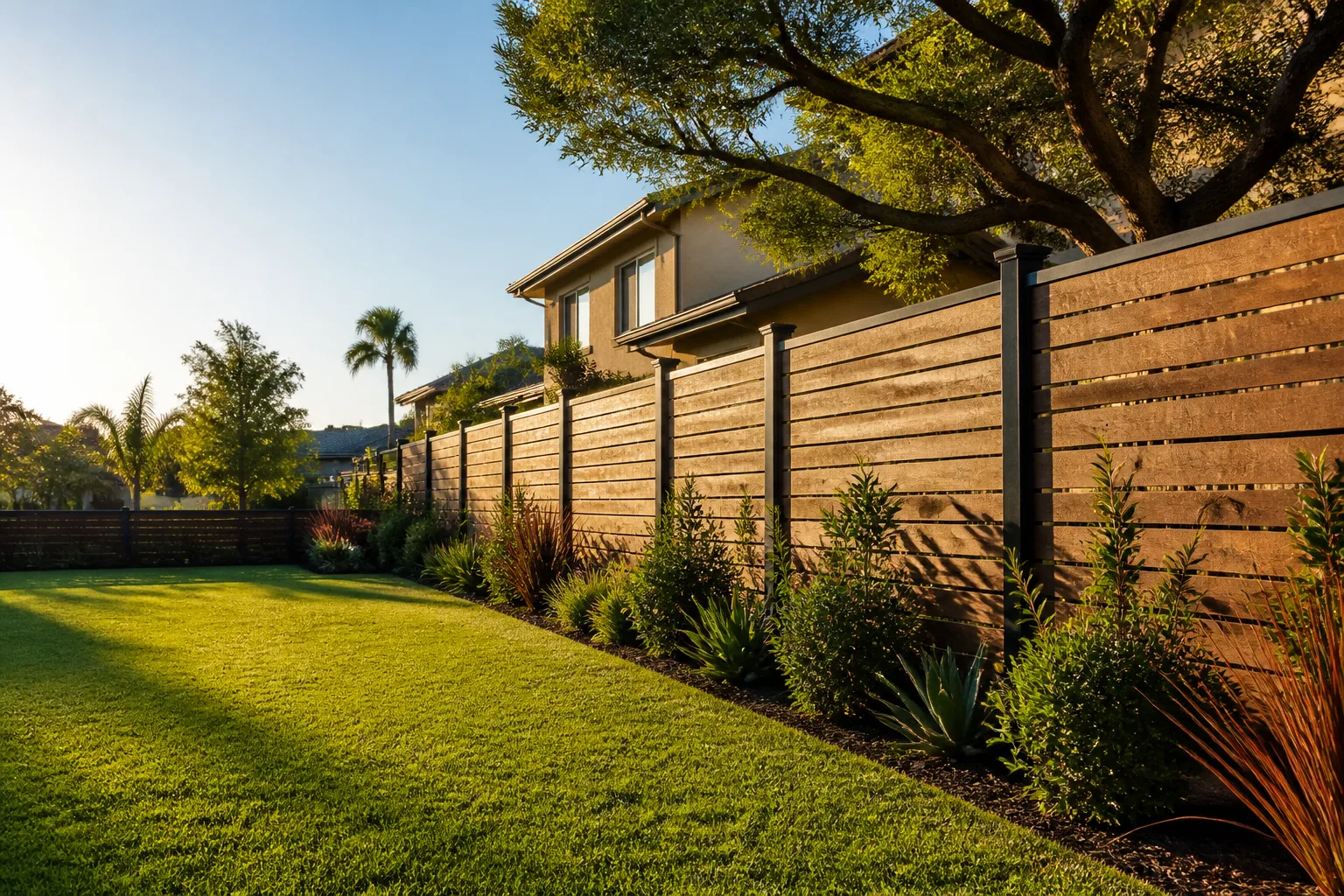
In Enterprise, fence posts should go down the standard one-third rule plus whatever depth of engineered fill sits above native soil, and on most southwest lots that means a 6-foot fence needs a 36-42 inch hole rather than the textbook 24 inches. The short answer: use the one-third minimum as a floor, then keep digging until you’re through the fill layer and into native or compacted base material. If you’d rather have someone confirm the depth for your lot, call (844) 797-4406 and we’ll talk through it.
Why the One-Third Rule Fails on Half the Lots in Enterprise
The one-third rule of thumb (a post’s buried length should equal one-third of its total above-ground height) assumes stable, undisturbed native soil. That’s a fine assumption for old infill. It’s a bad one for Enterprise, where the southwest growth corridor is dominated by master-planned subdivisions pushing toward the Sloan and Blue Diamond foothills. Much of this ground was graded and rebuilt before the first stucco wall went up.
A typical Mountain’s Edge or Southern Highlands lot sits on 18-36 inches of engineered fill layered over native desert soil. Set a post by the textbook 24 inches for a 6-foot fence and the bottom of that post may never reach soil with real bearing capacity. It sits in fill that’s compacted but not consolidated. Fill keeps settling for years after final grade, and monsoon saturation speeds the process. That’s why fences on new-build pads start leaning within two monsoon seasons, not twenty.
What makes fill confusing to the untrained eye is what’s on top of it. Decomposed granite or a caliche crust gives false resistance when you probe it. A post hole can feel solid at 20 inches and still be sitting in material that won’t hold a post straight through a wet winter.
The Corrected Depth Logic for Enterprise Fence Posts
Our working formula in this part of Clark County is straightforward: standard one-third minimum, plus the depth of the fill layer to reach native ground. For a 6-foot fence with 24-inch footings sitting on 18 inches of fill, that’s 42 inches, not 24. For taller privacy or view-blocking fences on foothill lots, we go deeper still.
Here’s what we actually measure before setting a post:
- Fill depth at the post line. Not at the corner of the yard. Fill varies lot to lot and sometimes fence-line to fence-line.
- Native soil confirmation. We probe or hand-auger to reach material that’s been there since before grading. Caliche can look like native resistance but isn’t.
- Slope and drainage. On graded pads with retaining walls, water moves fast across the surface and pools behind fill. Posts on the downhill side need extra depth and often extra concrete.
- Wind load and defensible-space clearance. Where subdivisions back onto open desert, fences also need to hold up against wind exposure and comply with defensible-space detailing. That’s a structural spec, not a cosmetic one.
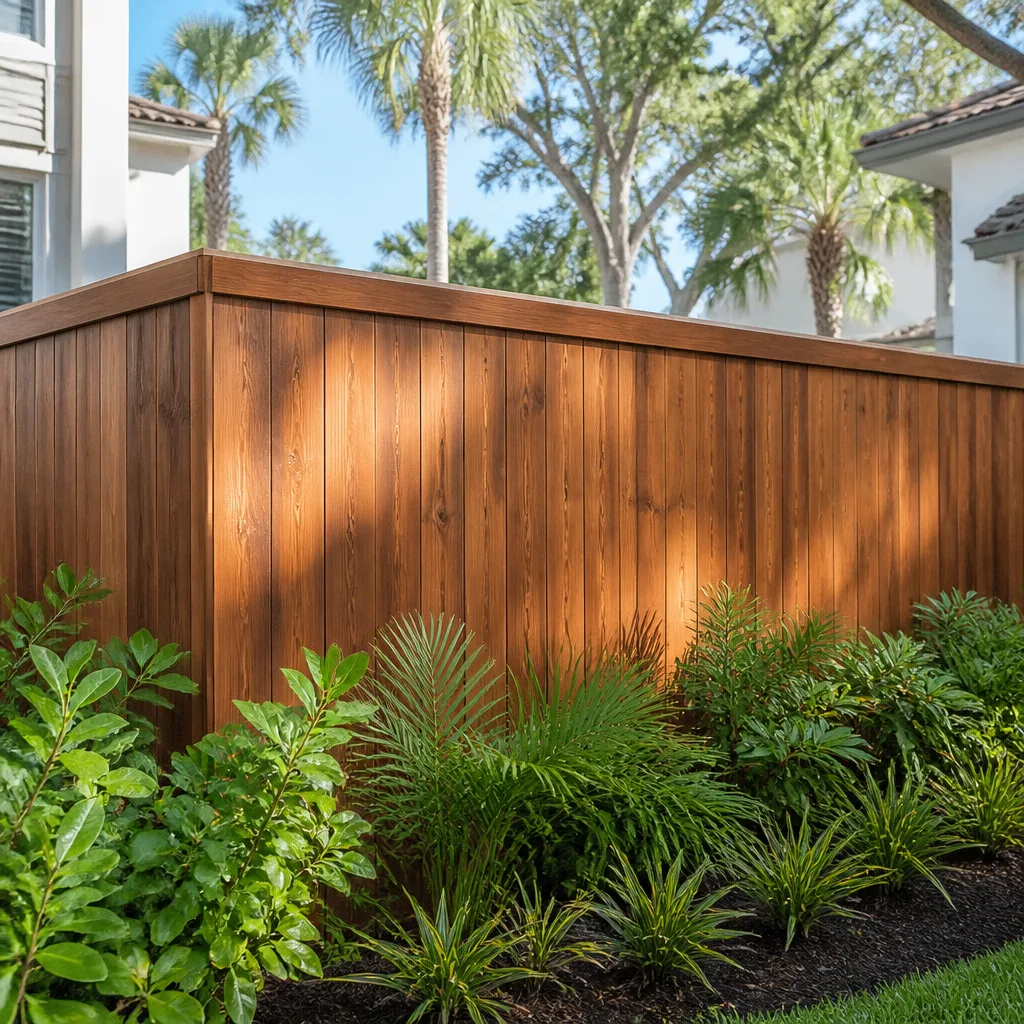
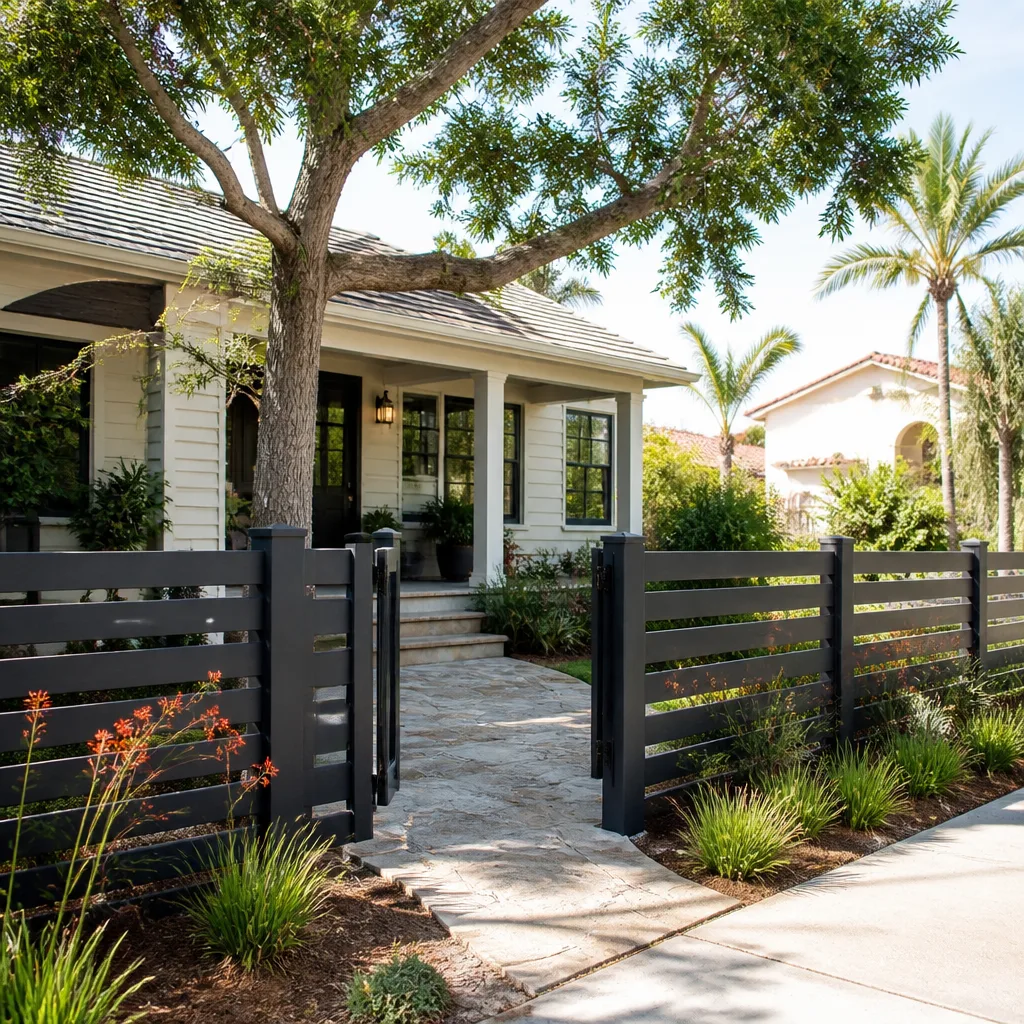
In practical terms, a 6-foot post that needs 36-42 inches of embedment usually means a hole 10-12 inches in diameter and 3-4 bags of concrete per post, depending on mix and hole diameter. Post count, depth, and mix all drive the cost, which for a typical residential fence in Enterprise runs $3,500-$9,000 for the project. That’s the range clients actually see on a full vinyl or aluminum install through our Fence Installation team.
Concrete in the Mojave: Why July Pours Are Different
A fence post hole is a small pour, and small pours are where hot-weather concrete goes wrong. On a 105°F afternoon in Enterprise, a standard bag mix hydrates fast on the surface and unevenly in the hole. The result is a post that looks set but hasn’t cured to full strength. It’s a problem contractors from cooler climates don’t anticipate.
Three things change on our summer installs:
- Water ratio. We mix on the dry side of the manufacturer’s range and add water slowly. Over-wet mix weakens the set and shrinks more.
- Curing shade and timing. Mornings or late afternoons for pours. Shade or damp cure on the exposed cap for the first few hours, so the surface doesn’t flash-dry while the interior is still curing.
- Consistent mixing. Small batches mixed in a wheelbarrow need to be mixed fully and consistently, not eyeballed. This matters more in heat than in cool weather.
If you’ve noticed a fence post that’s started to twist or lean going into summer, that’s the failure mode. It’s fixable, but the fix is a re-set, not a patch. Our technicians have up to 12 years of experience with Desert Southwest installation, and the depth spec for every post on a Groundwork job is documented in the project file. That’s what makes the 730-Day Done Right Promise enforceable: if anything shifts, there’s a written standard to hold the work to.
Permits, Inspections, and What Inspectors Actually Check
Clark County permits for fence work on sloped or fill lots require footings sized to soil conditions and post height, and inspectors do check. In the new-construction-heavy parts of Enterprise, they’re looking for three things: hole depth relative to fence height, footing diameter, and concrete coverage. Not every install is inspected, but structural fences (privacy, security, taller than 6 feet) usually are, and a call-back on a footing is expensive.
Two Enterprise-specific reasons the permit matters: engineered-fill lots sometimes require a soil report for structural anchors, and defensible-space requirements in subdivisions that back onto open desert may dictate fence materials and heights that affect post loads. It’s not just paperwork; it’s the difference between a fence that survives and one that racks after the first summer.
What This Means for a Full Replacement in Enterprise
If you’re replacing a fence (not just re-setting one post), the depth of fill on your lot directly affects the project bid. Two houses on the same street can have different fill depths, and that’s why we walk the lot before we quote. If you want to see how the range shakes out for a standard install, the Fence Installation in Enterprise page covers materials and scope, and our home page lays out the full-service line.
Worth knowing: if your lot backs onto open desert, the firewall detailing at the urban-wildland edge is worth checking on the quote. It’s a James Hardie and similar fire-rated cladding question on homes, and it’s a post-and-anchor question on fences. It changes what gets built, and it’s not a box most fence contractors here think to tick.
FAQs
A 6-foot fence in Enterprise should have posts buried at least 24 inches, plus whatever depth of engineered fill sits above native soil, which commonly pushes embedment to 36-42 inches. That’s the realistic number on southwest valley lots, not the 24-inch textbook minimum you’ll read elsewhere. Call (844) 797-4406 and we’ll walk through your specific property – estimates are free.
Almost every newer-build neighborhood in Enterprise has engineered fill, including Southern Highlands, Mountain’s Edge, and the lots pushing toward the Sloan and Blue Diamond foothills. If your home was built after roughly the mid-1990s, assume the lot is graded over fill. Probing to native material is the only reliable test. Call us and we’ll check it during a free estimate.
Posts lean here mostly because they were set in engineered fill that keeps settling after final grade, especially once monsoon rain soaks through. The fill is compacted but not consolidated – it was never the ground the fence was designed for. Re-setting a post is a different job than patching one, and it’s the job that lasts. Call (844) 797-4406 for a look – estimates are free.
Yes, but timing and mix matter. On 105°F days we pour in the morning or late afternoon, mix slightly drier, and shade the exposed cap so it doesn’t flash-dry before it cures. That slows the job by a few days over a typical install. It’s also the reason some fences fail in their first summer. Call us for a schedule that works with the heat – estimates are free.
If you’d rather have someone confirm the depth on your lot before you dig, Groundwork Construction Co. of Enterprise offers a no-pressure assessment in Enterprise. We measure fill depth, check the footing spec against the height you want, and quote the job upfront. Call (844) 797-4406.
Written by the team at Groundwork Construction Co. of Enterprise, serving Enterprise, NV.