



Free written scope consultation - allowances, timeline, and change-order rules on paper before a single trade is scheduled
Styles & brands we work with
- Kitchen remodeling
- Bathroom remodeling
- Home additions & ADU
- Roofing
- Windows & doors
- Driveway & pavers
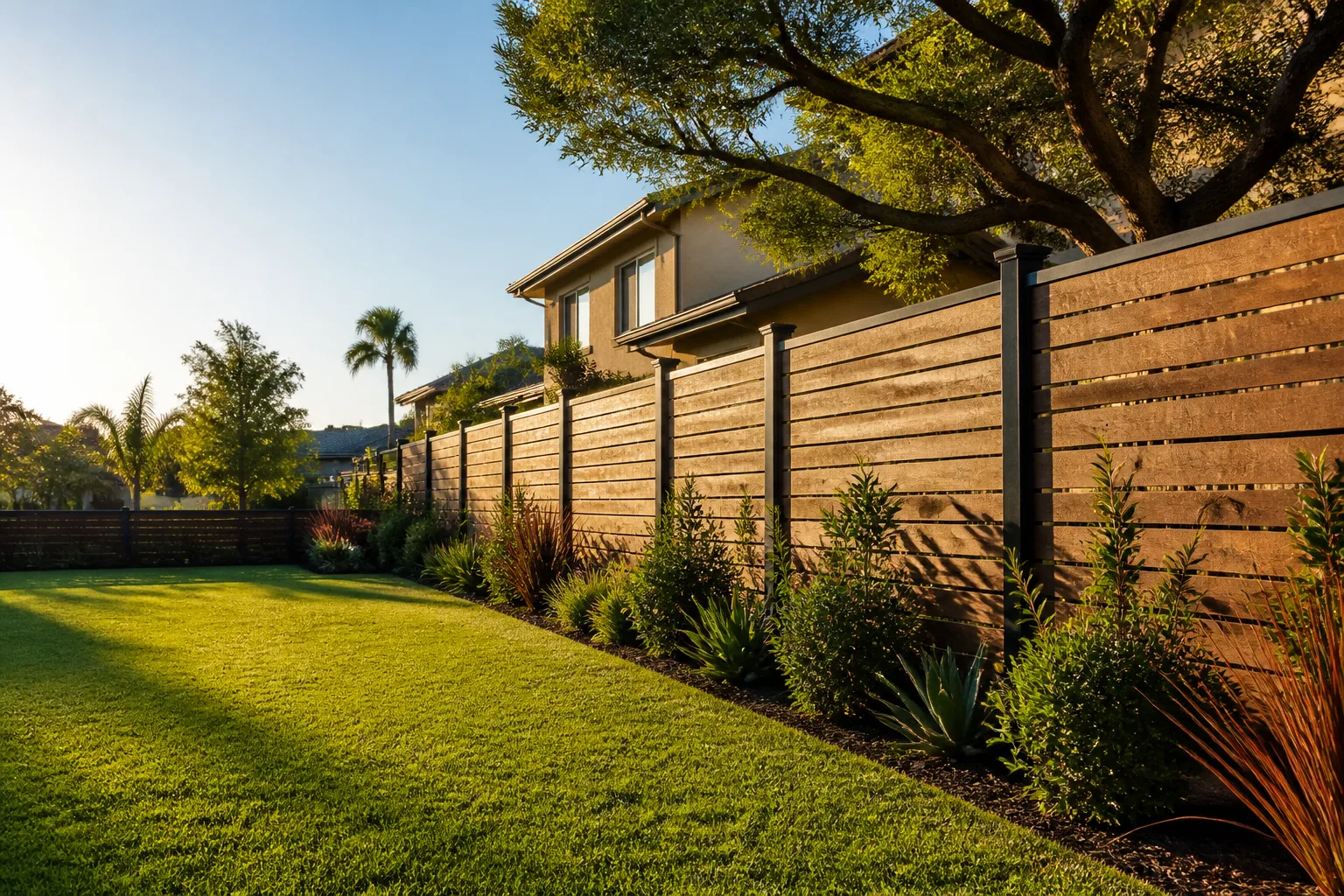
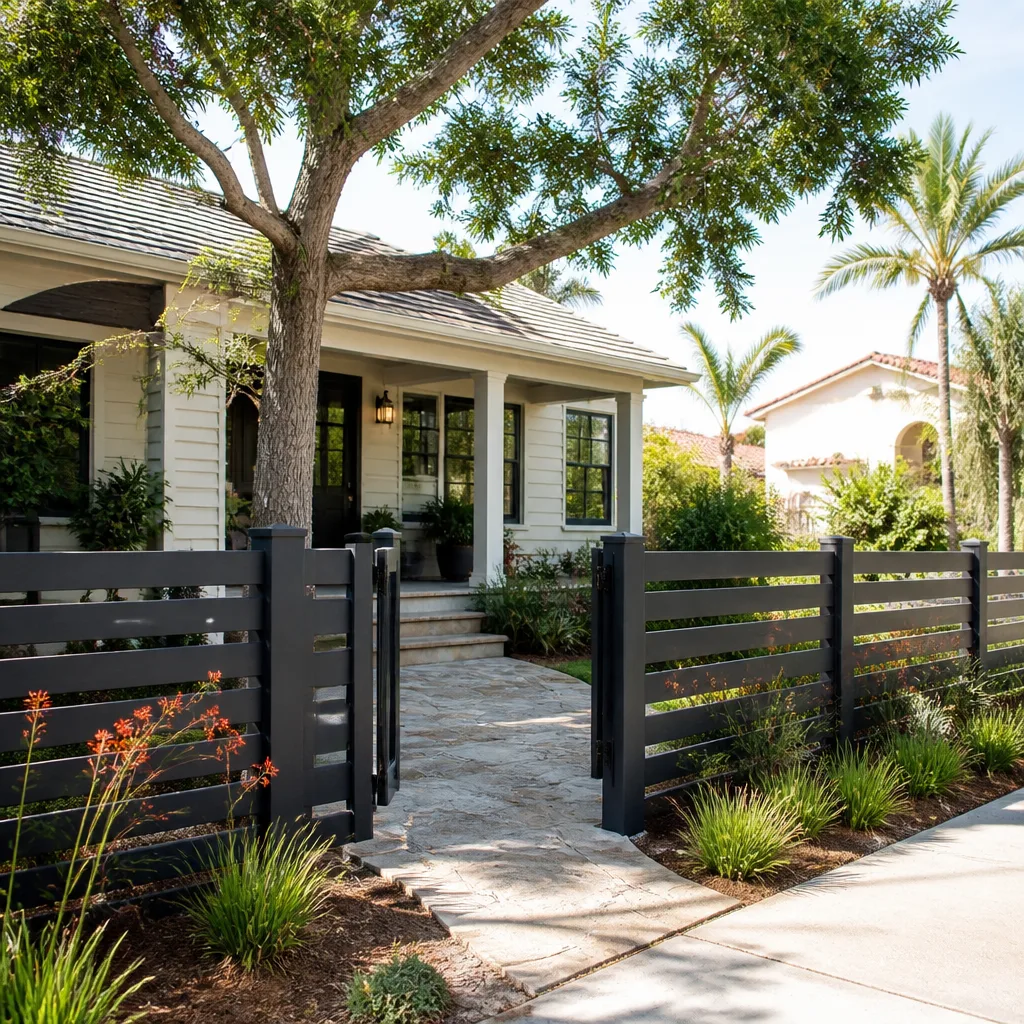
- Fence
See the difference
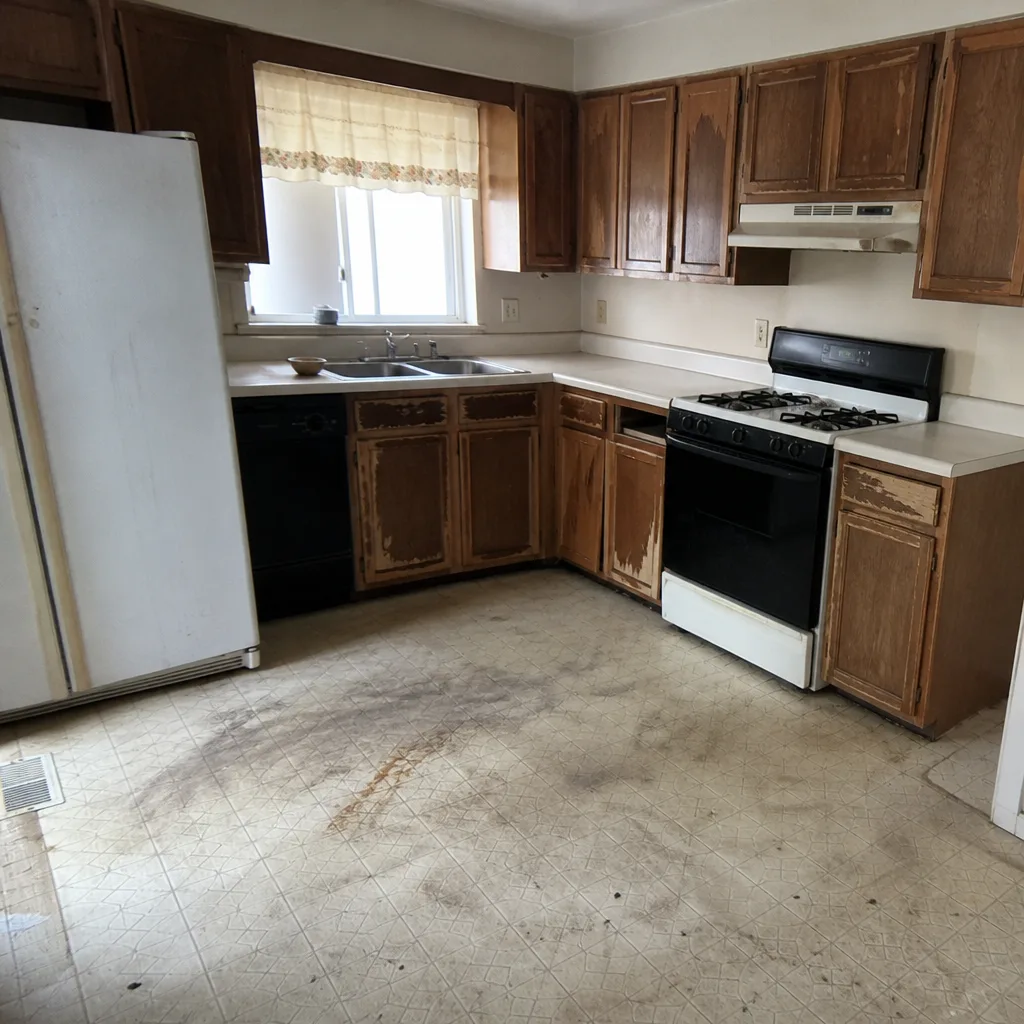 Before
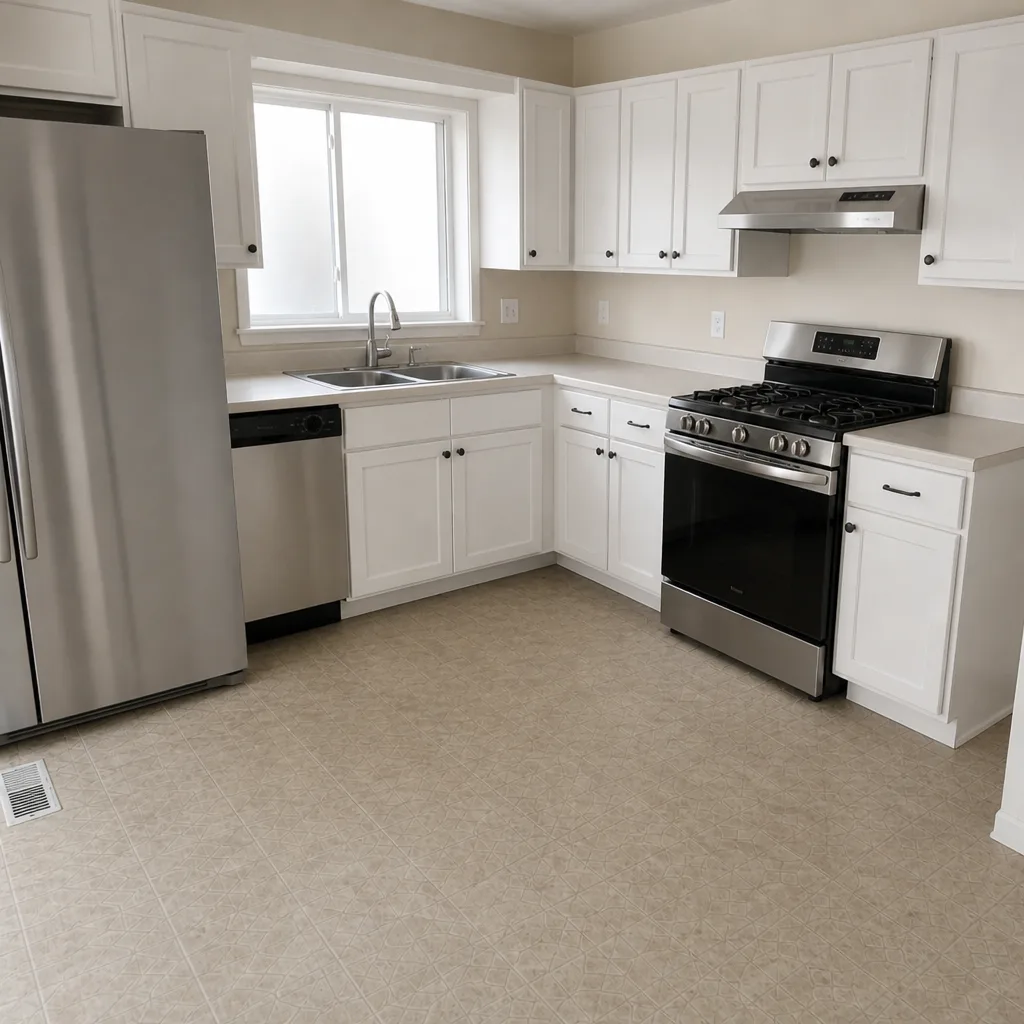 After
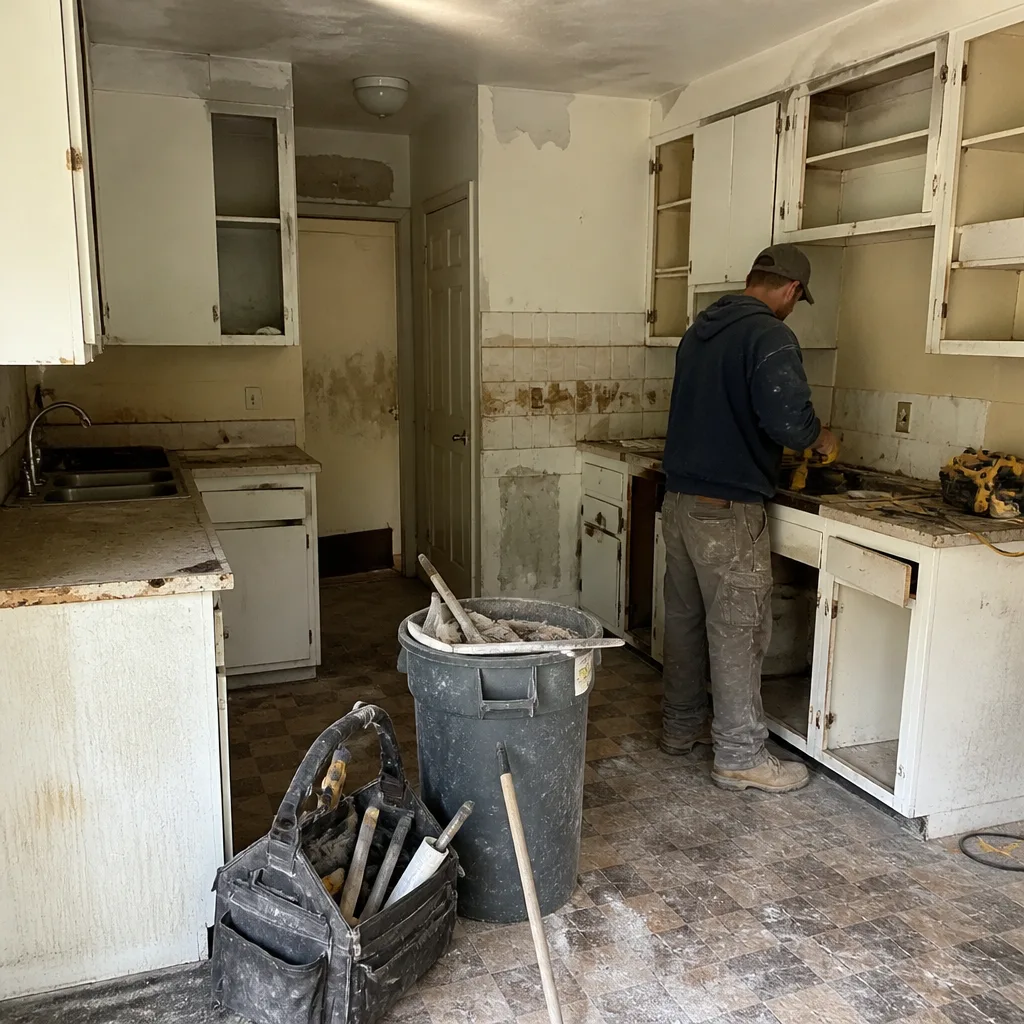 Before
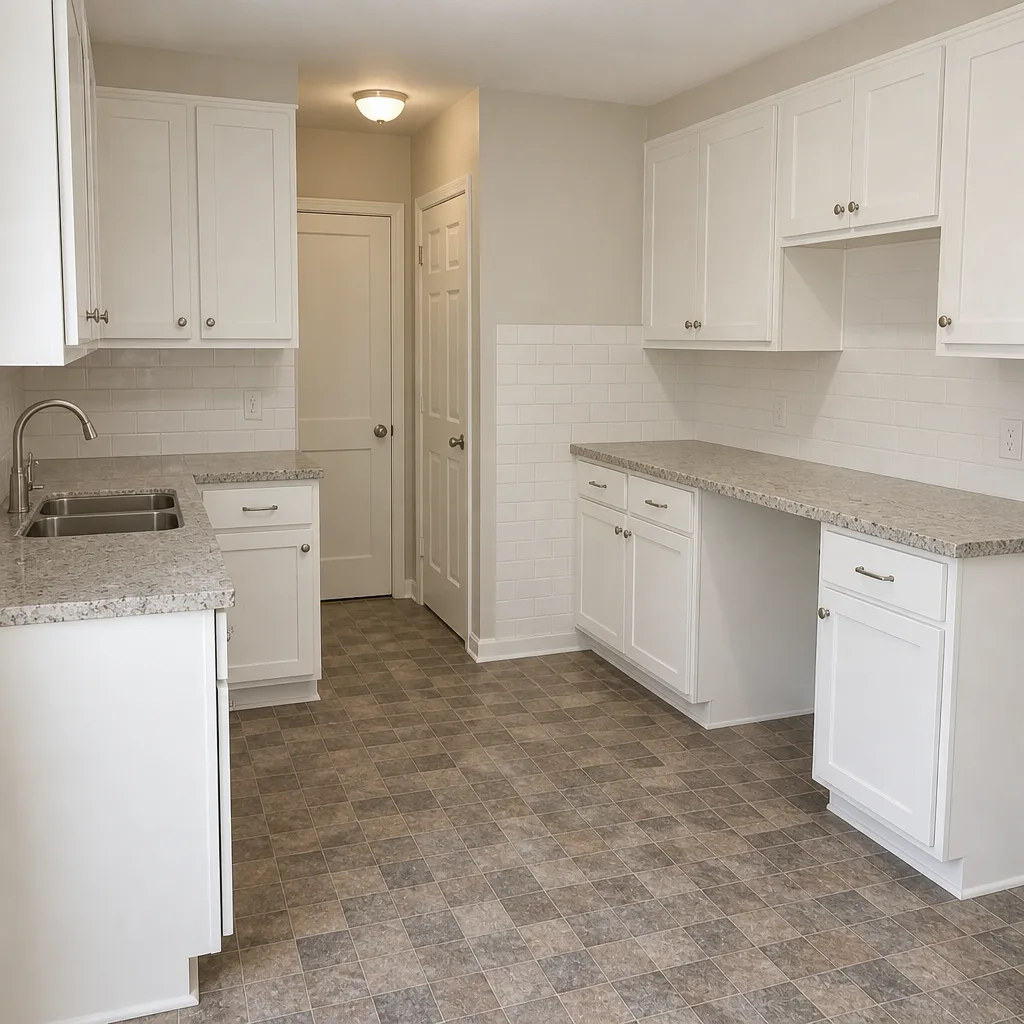 After
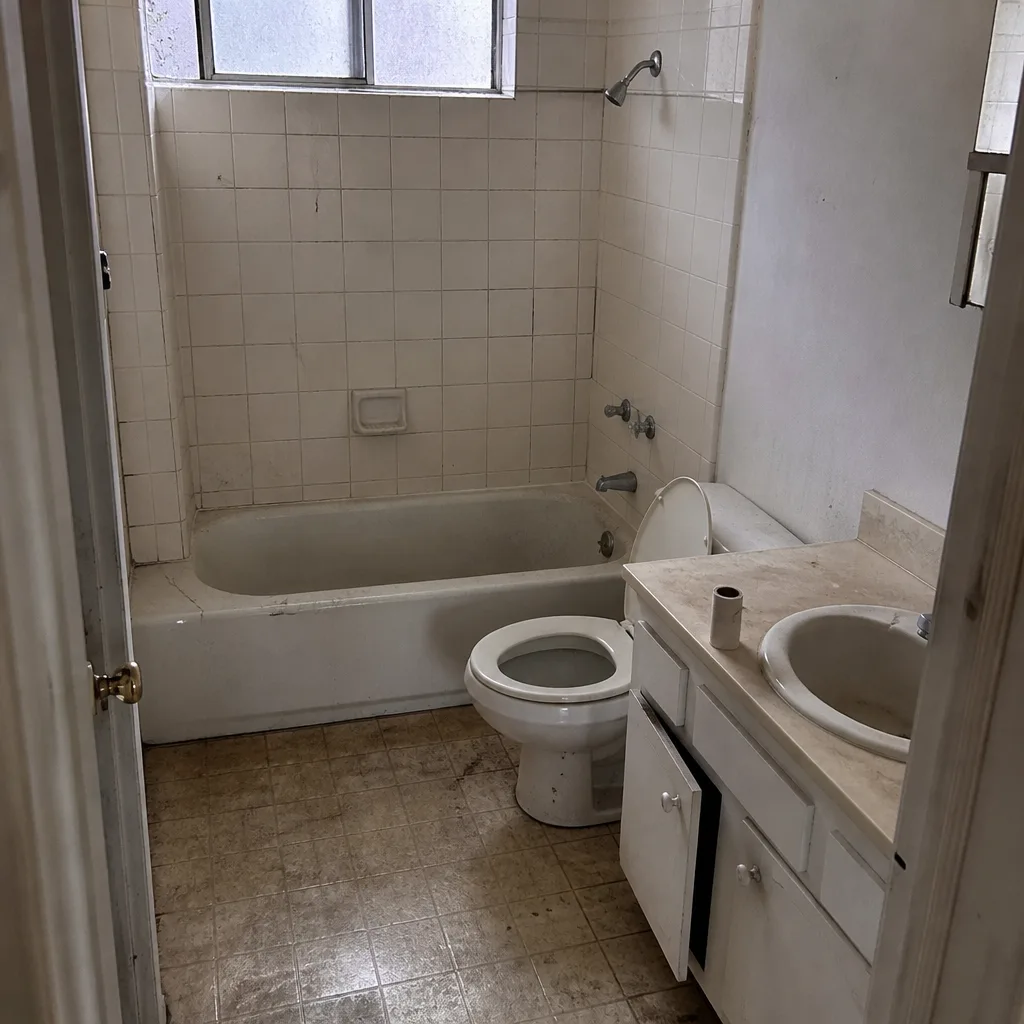 Before
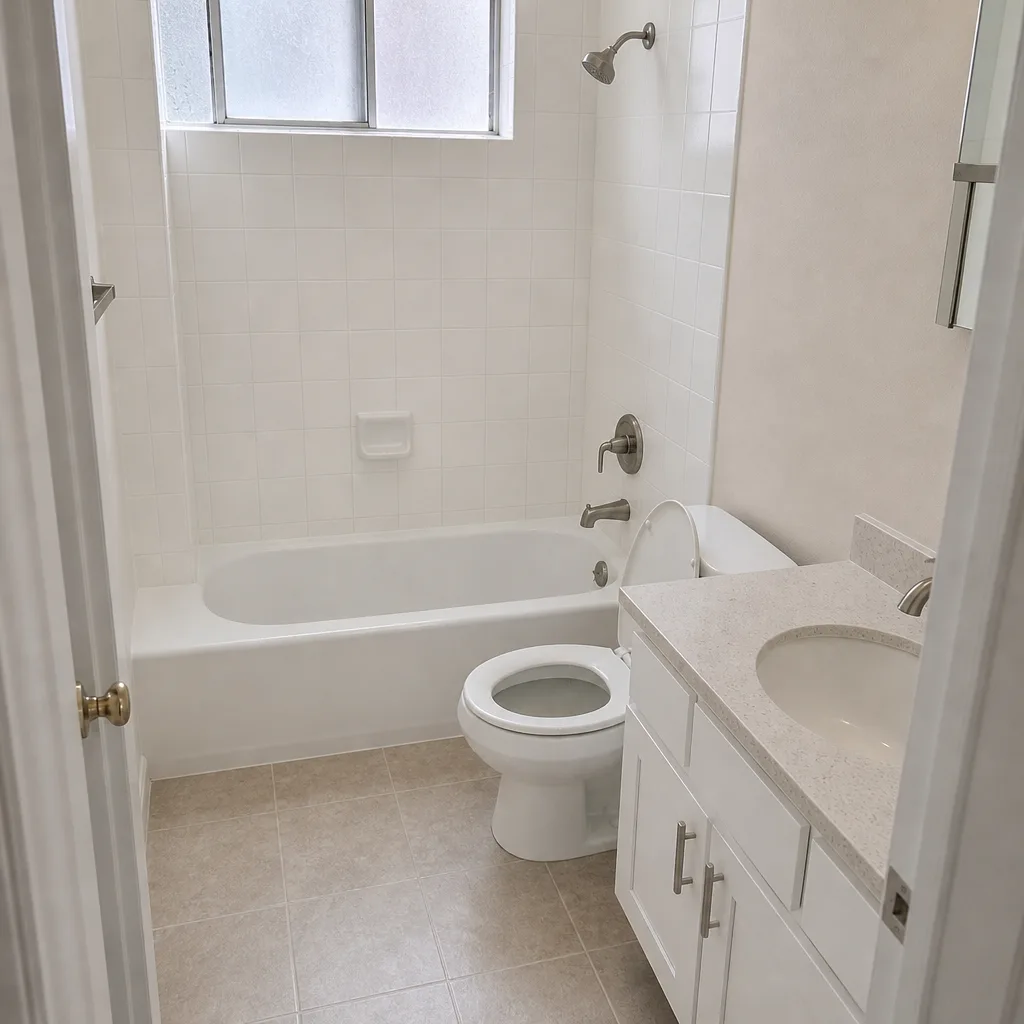 After
How to Fix a Leaning Fence Post in Enterprise, NV: Find the Real Cause Before You Re-Pour
Most leaning fence posts in Enterprise, NV aren’t fixed by re-pouring concrete around a loose post; they lean because the ground under them moved, and a repair that ignores the soil will fail again within 18 to 24 months. The right fix depends on what’s actually happening below the surface: dig down and probe the soil to see whether the post ever reached stable native ground or is only sitting in engineered fill, then choose between full post replacement with a proper below-fill depth and steel anchor stabilization. If you’d rather have it diagnosed correctly the first time, call Groundwork Construction Co. of Enterprise at (844) 797-4406 for a free assessment.
Key Takeaways
- The fix is not “add more concrete.” It’s matching the repair method to the soil condition that caused the lean.
- Probe the base before committing. On graded foothill lots, the fill layer may still be moving.
- Full post replacement with deeper embedment works for sinking fill; steel anchors work for posts on firm pads.
- A leaning post repair is the right moment to bring the fence line up to current ember-resistant standards.
- Our technicians have up to 12 years of experience reading exactly these conditions, and every job is backed by our 730-Day Done Right Promise.
Why Do Fence Posts Lean in Enterprise? Three Causes, Not One
If your fence post is leaning on a lot that backs up to the Blue Diamond foothills or sits on a graded pad in Mountain’s Edge, resetting it without understanding why the fill moved is how you end up with the same problem 18 months later. Enterprise is Las Vegas’s southwest growth corridor, and the subdivisions here push right up to the Sloan and Blue Diamond foothills. That changes the diagnosis entirely compared with flat infill lots in older parts of the valley. Homeowners often come to us expecting a simple “post came loose” answer. Usually it’s one of three things, and each one calls for a different repair.
1. A shallow original install that never reached native soil. On engineered-fill pads, the deep, stable ground can sit several feet below the surface. A post set into the fill only grabs the loose upper layer. Every wet season, that layer shifts a little, and the post tips with it.
2. Lateral pressure from monsoon-season water. Flash-flood-prone washes and graded slopes carry water fast during the summer monsoon. When water moves through a slope and can’t drain, it pushes sideways against the buried post. A post that was plumb in April can be out of plumb by September.
3. Heat expansion cracking concrete footings over time. Freeze-thaw barely registers here, but summer highs routinely top 105°F. That repeated expansion and contraction works on concrete footings and the soil around them year after year, cracking and shifting posts that were fine when they went in.
That last point is why a post that’s held steady for a decade suddenly leans. It isn’t random. Heat, water, and fill are all working on it slowly.
What Should You Actually Check Before Deciding on a Repair?
Probe the soil around the post base before you commit to any method. This single step separates a repair that lasts from one that comes apart. Here’s what a proper check looks like.
- Dig a small hole alongside the post down past the visible base to expose the footing and the soil column around it.
- Probe the fill with a steel rod. If it slides in easily with little resistance, you’re still in loose fill. If it hits firm resistance, you’ve reached stable native material.
- Look for water marks and fine sediment lines in the hole. Those tell you water has been moving through and possibly carving away soil.
- Check whether the whole fence line leans or just one post. A single leaning post often points to one bad footing. A line of them that leans in the same direction usually means the grade or fill is the problem.
- Note how deep the original footing goes. If it stops within the fill layer, the install was too shallow for this lot from day one.
These are the readings that decide the repair. Guessing and re-pouring is how contractors end up back at the same fence in two years. Our background-checked, uniformed technicians arrive with the diagnostic tools to make that call on the first visit, not the second.
Replacement or Steel Anchor Stabilization: Which Fits Your Enterprise Lot?
Once you know what’s happening below grade, the repair usually falls into two valid approaches. Here’s how to tell which one your lot needs.
Full post replacement with proper below-fill depth
This is the right answer when the probe shows the fill layer is still moving or the original footing never reached native soil. You pull the leaning post, set the new one deep enough to bear on stable ground below the fill, and backfill with proper compaction around an adequately sized footing. It costs more upfront and takes longer, but on a graded foothill lot with active fill, this is the only repair that actually changes the outcome. Anything shallower just postpones the lean.
Steel post anchor and bracket stabilization
When the post sits on a firm pad and the concrete footing itself is sound, a galvanized steel anchor driven past the footing and bracketed to the post can pull it plumb and hold it. It’s faster, less disruptive, and a good fit for posts where the soil isn’t the culprit. It’s also a smart choice on fence lines where the concrete is holding fine but the post has worked loose at the connection.
The difference matters. Anchor stabilization on a moving fill lot is a bandage. Full replacement on a firm pad is overkill you didn’t need. Reading the probe correctly is the whole game. To understand the full scope of what a proper install looks like on these lots, see our home base and our dedicated Fence Installation team.
Why Is a Leaning Post Repair Also a Fire-Safety Moment?
Enterprise subdivisions that back onto open desert sit at the urban-wildland interface, and lots here often carry retaining walls and graded pads that a flat central-valley neighborhood never deals with. Fence posts at that edge are frequently subject to wildfire-defensible-space and ember-resistant standards. A wooden post with a combustible base and no setback from open ground can act as a wick toward the house.
So a leaning post repair is a natural moment to check the whole fence line. That’s the time to bring the base detail up to current ember-resistant standards: non-combustible bases where the line meets open ground, proper setbacks, and hardware that won’t fail under heat. We check this on every fence job because a fence that stays plumb but carries fire straight to your structure is a worse outcome than a post that leans. If you’re weighing materials, our team can walk you through the trade-offs for your specific lot.
What Does Fence Post Repair Cost in Enterprise, NV?
Fence post repair and replacement in Enterprise typically runs $3,500 to $9,000 depending on the number of posts, the type of fence, and how deep the replacement footings need to go into stable soil. A single anchored post fix sits near the low end. A section of new fence with properly embedded footings on a graded foothill pad lands near the high end. Here’s how the numbers break down for the work we most often do here.
| Work | Typical range in Enterprise |
|---|---|
| Post repair / stabilization (small scope) | $350-$1,800 |
| Fence post repair and section reset | $3,500-$9,000 |
| Vinyl fence installation | $3,500-$9,000 |
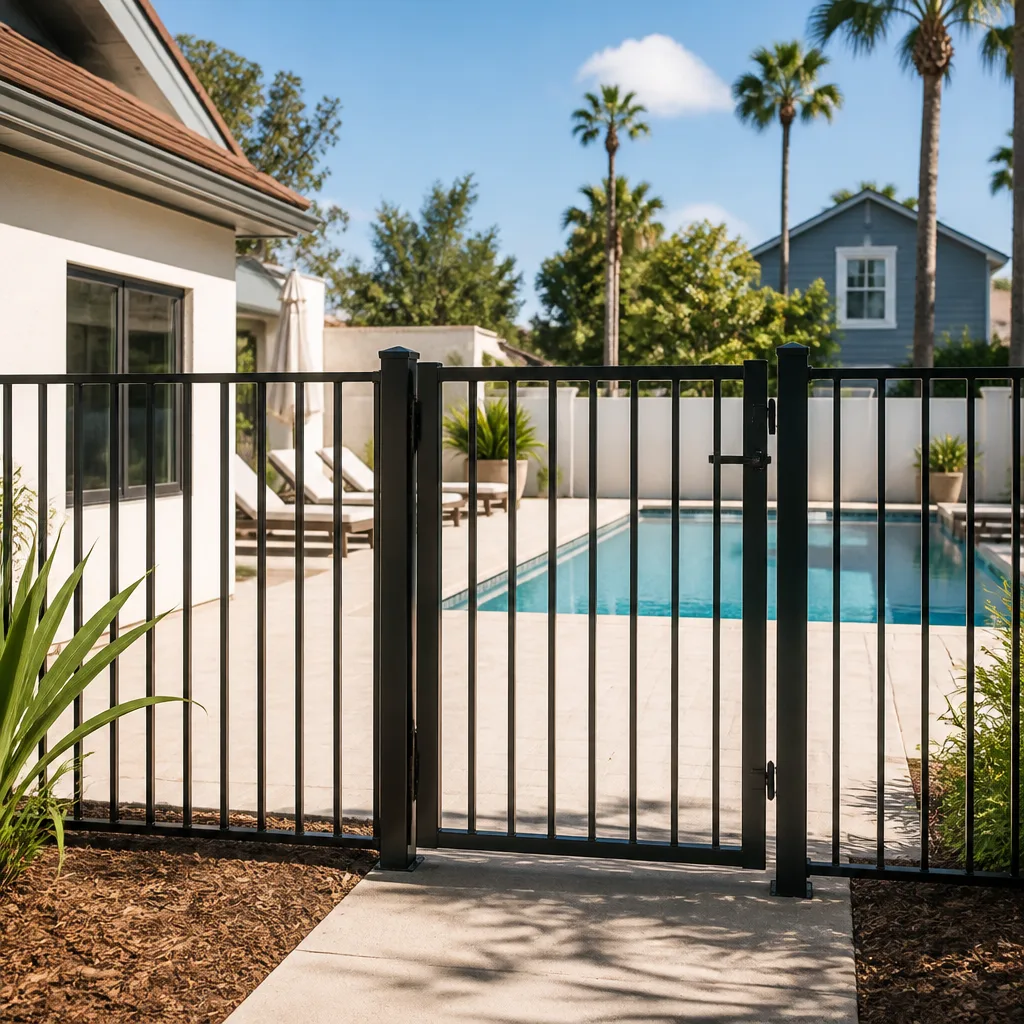
| Aluminum fence installation | $4,000-$10,000 |
Those ranges assume standard access and a single fence line. Long runs, tight side-yard access against a retaining wall, or footings that hit solid caliche can move the number. We give you the price up front and don’t surprise you with it, and for larger projects we offer $1,000 off work over $10,000 with 0% financing for 18 months. Every project carries our 730-Day Done Right Promise: if it’s not done right, we make it right. For a closer look at what full installation covers, our Fence Installation in Enterprise page lays out the whole process.
When Should You Call a Pro Instead of Doing It Yourself?
Call a professional when the fence line is leaning as a group, when the post sits on graded fill or near a retaining wall, or when the footing is deeper than a few inches. A single post on firm, flat ground is within reach for a careful homeowner. A footing on engineered fill that may be six or more feet deep is not, and neither is a repair that needs to reach current fire-safety standards. Getting the diagnosis wrong here is what turns one loose post into a whole failed run. If you’re not sure which situation you have, that uncertainty itself is the signal to get eyes on it.
FAQs
A single leaning fence post repair in Enterprise typically costs $350 to $1,800, while repairing an entire section and resetting footings lands between $3,500 and $9,000. The final number depends on how many posts are involved and how deep the new footings must go to reach stable native soil. Call (844) 797-4406 for an exact quote; estimates are free.
No, re-pouring alone rarely fixes the cause, because the lean usually starts with the soil moving rather than the concrete failing. Adding concrete around a post that’s still sitting in loose fill or next to a graded slope won’t stop the fill from shifting again. Probe the base first to find out what’s actually moving, then choose a repair that addresses it.
Usually not. In most cases you can repair or replace the affected posts and reset the adjoining rails without touching the rest of a sound fence. If several posts along the same line lean in one direction, that’s a sign the grade or fill is the real problem, and a broader fix makes more sense than chasing individual posts.
It can, and often should. On Enterprise lots that back up to open desert, repairing a leaning post is the right moment to switch to non-combustible bases and check setbacks. We review ember-resistant detailing on every fence job near the urban-wildland interface so the repair holds up both plumb and fire-safe.
If you’d rather have it looked at, Groundwork Construction Co. of Enterprise offers a no-pressure assessment in Enterprise: we probe the base, tell you straight which repair fits your lot, and back the work with our 730-Day Done Right Promise. Call (844) 797-4406 for a free estimate.
Written by the team at Groundwork Construction Co. of Enterprise, serving Enterprise, NV.