Free written scope consultation - allowances, timeline, and change-order rules on paper before a single trade is scheduled
Styles & brands we work with
- Kitchen remodeling
- Bathroom remodeling
- Home additions & ADU
- Roofing
- Windows & doors
- Driveway & pavers
- Fence
See the difference
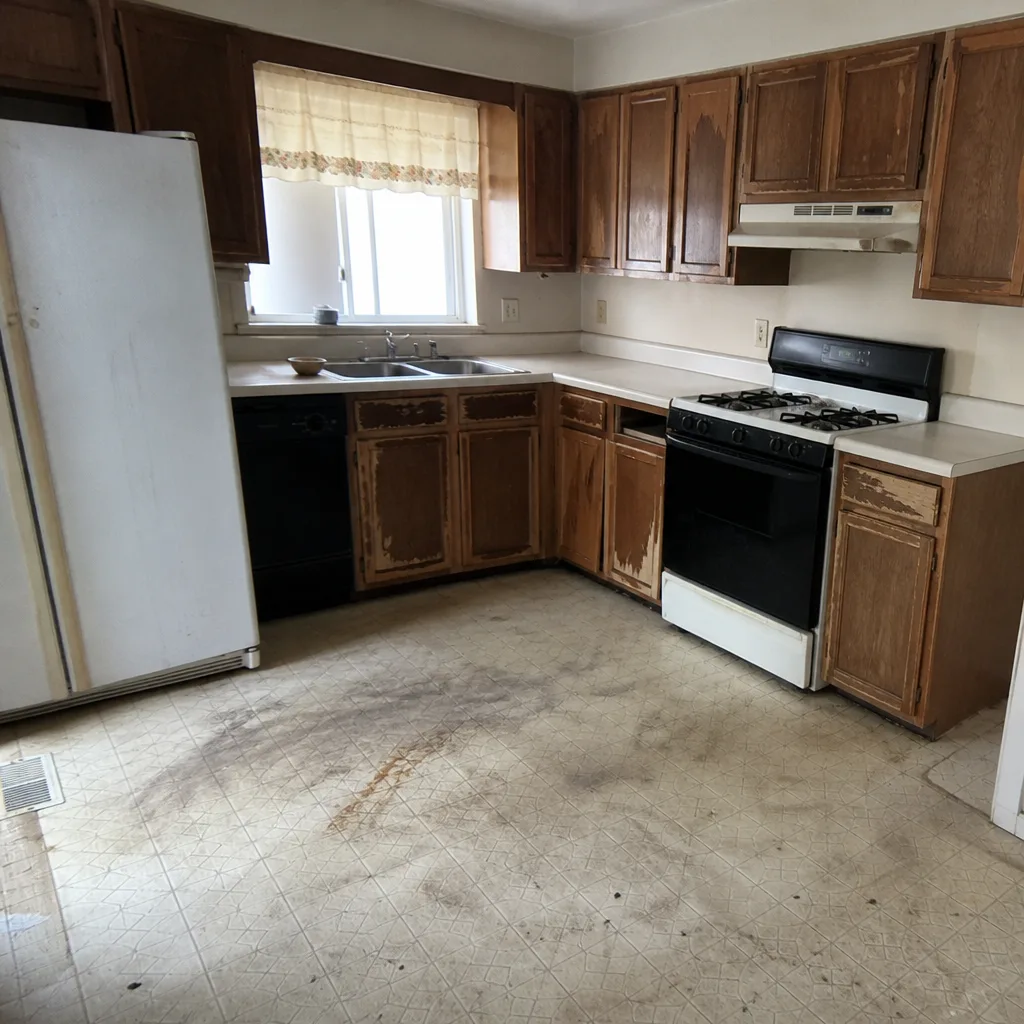 Before
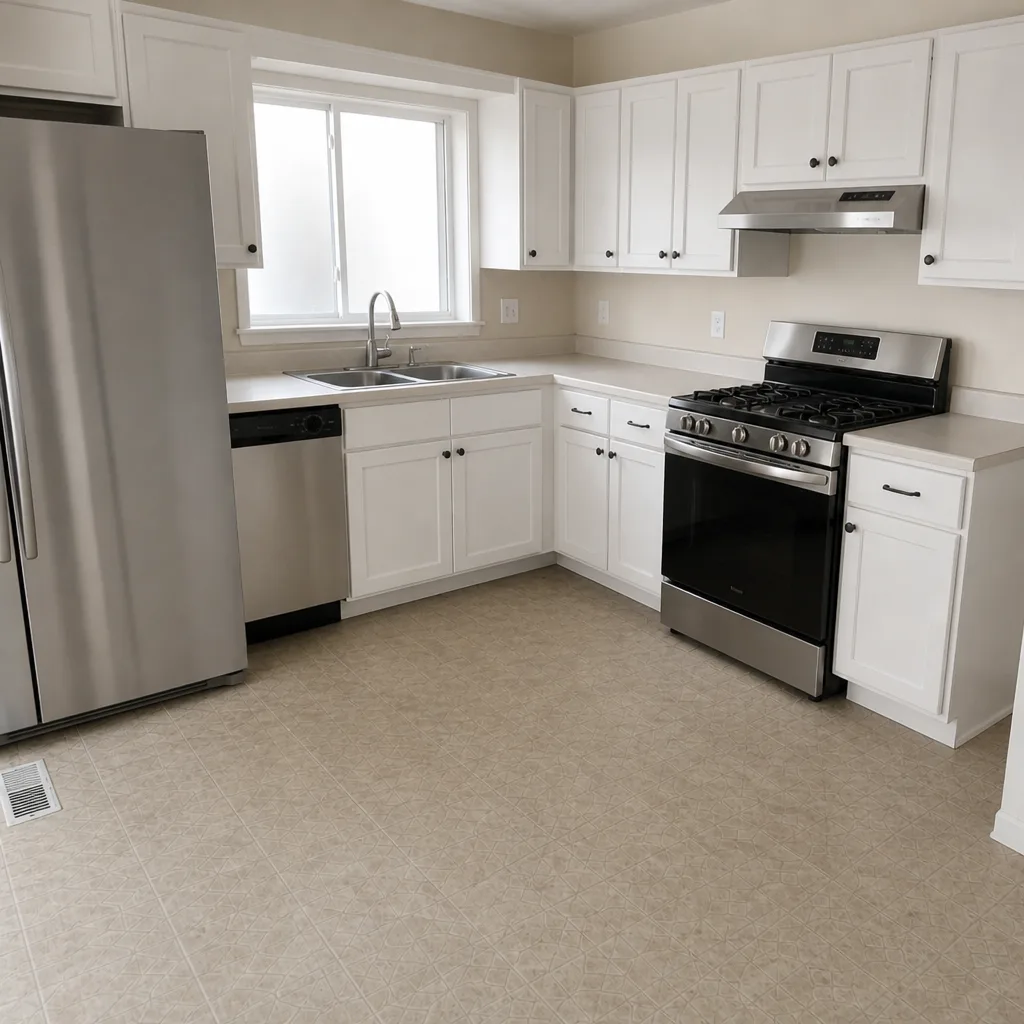 After
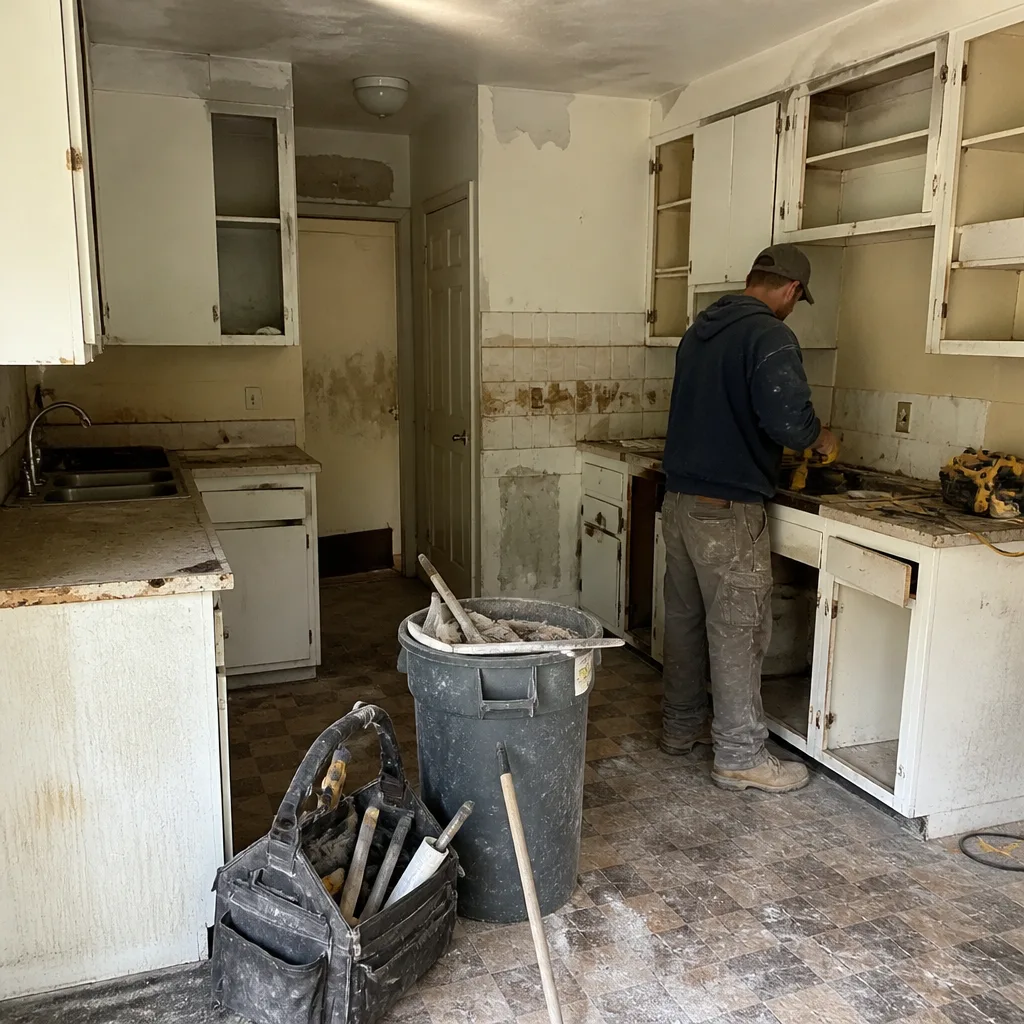 Before
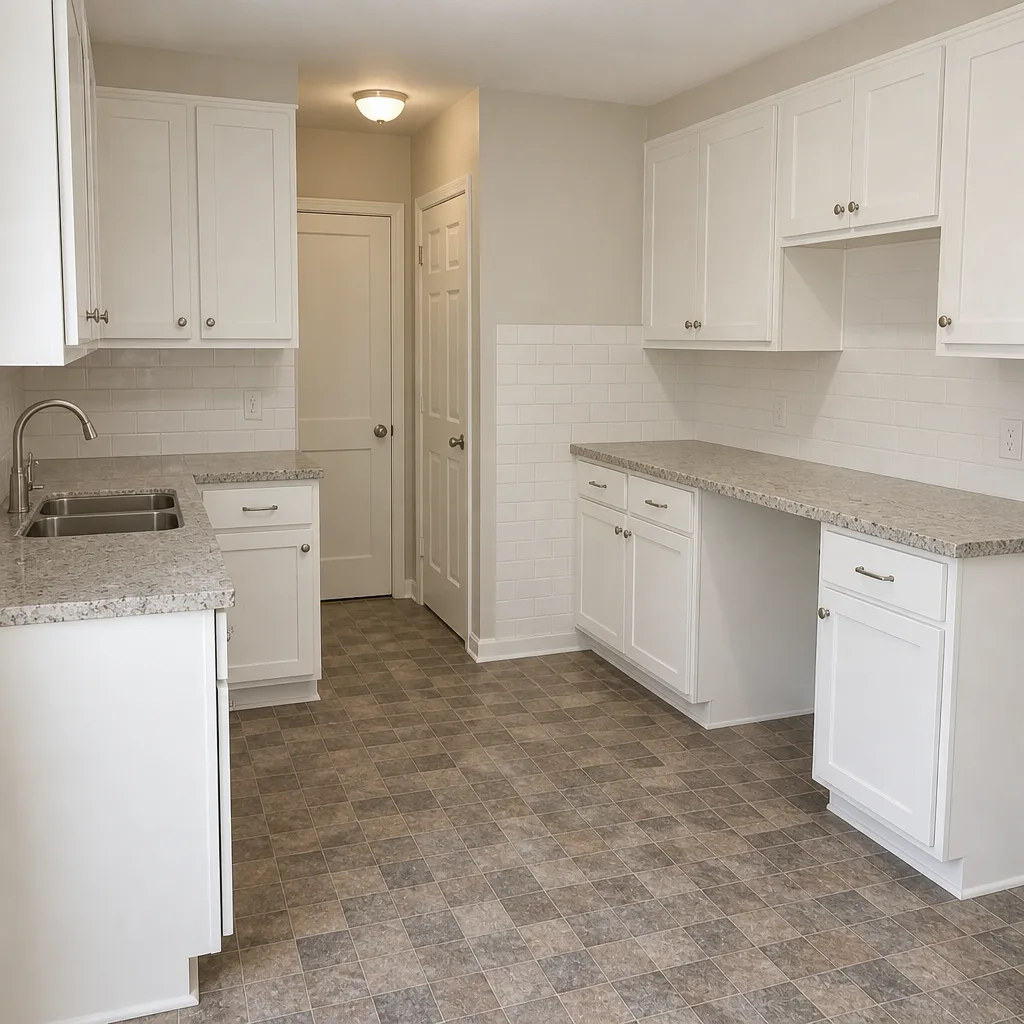 After
 Before
 After
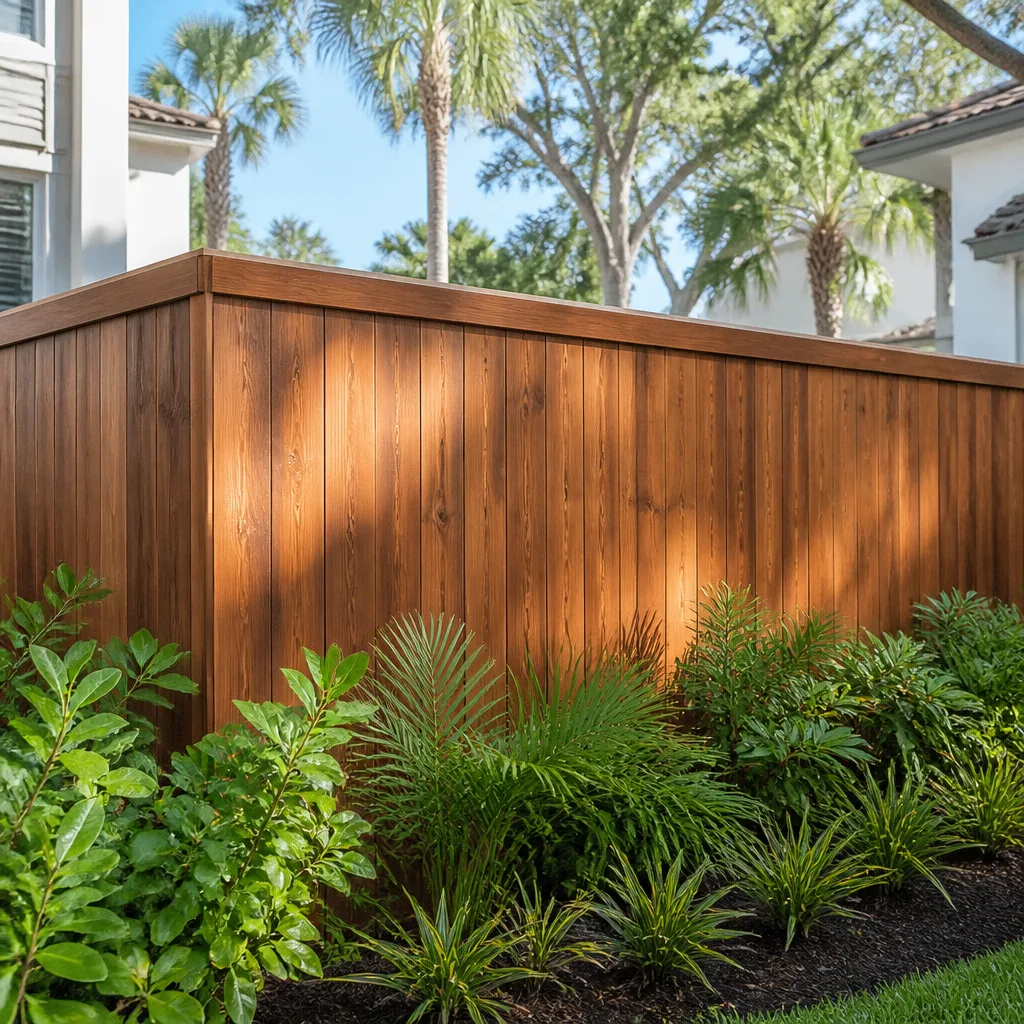
How Long Does a Wood Fence Last in Enterprise, NV?
A wood fence in Enterprise, NV typically lasts 7 to 10 years without a serious maintenance plan, and 15 to 18 years when it’s built with alkaline-tolerant posts, pressure-treated bottom plates, and a yearly stain cycle. The national “15 to 20 years” number you see online comes from temperate climates with mild sun and neutral soil. Enterprise is neither. Between summer highs routinely above 105°F and caliche-heavy ground that pulls salts into end grain, wood here fails from the bottom up and the sunny side in. If your fence is leaning or greying hard, call (844) 797-4406 for a free assessment before a post rots out completely.
Key Takeaways
- National wood-fence lifespans assume mild climates; Enterprise’s Mojave conditions cut unprotected wood life to 7 to 10 years.
- Sun-facing boards break down first from UV, and posts fail first where caliche wicks moisture into the end grain.
- Cedar and redwood outperform pine here, but only if the right cut and post treatment are specified.
- A total wood fence replacement in Enterprise usually runs $3,500 to $9,000 - a stain cycle every couple years is the cheaper path.
- Post set and hardware matter more than board color. That’s where the 730-Day Done Right Promise earns its keep.
Why the Standard “15 to 20 Years” Answer Doesn’t Hold in Enterprise
A cedar fence that lasts 20 years in Oregon will show serious UV gray-out, surface checking, and post deterioration inside a decade in Enterprise. Not because the material is cheap, but because the failure modes here are different and nobody tells the homeowner what to watch for.
Three forces do the damage:
- UV photodegradation. Lignin is the natural glue holding wood fibers together, and intense desert sun breaks it down. On south- and west-facing fence faces, unprotected boards gray out and check within 18 to 24 months. Checked boards crack deeper, and cracks become water entry points.
- Alkali (caliche) soil. The ground across much of Enterprise is high in calcium carbonate, and caliche layers wick moisture and dissolved salts up into buried post ends. That salt attack is what rots posts from the base while the above-ground boards still look fine.
- Thermal cycling. Winter nights in the valley drop toward 50°F, summer afternoons climb above 110°F. That 60-plus-degree swing expands and contracts boards repeatedly, and over years you get split planks and loosened fasteners.
Put those three together and you see the pattern we see on job after job in Enterprise: a fence around year eight with solid-looking boards in the middle and two or three posts already leaning or soft at the base. The fence isn’t “worn out.” It’s been attacked from below and from one side.
Pressure-Treated Pine vs. Cedar vs. Redwood in Enterprise Conditions
The generic rankings put cedar and redwood ahead of pine. That holds here too, but for reasons specific to Mojave sun and alkaline soil - and the gap is wider than most guides suggest. What matters isn’t the species name alone. It’s how the material handles UV and how the post end grain meets caliche.
| Material | Expected life in Enterprise | UV performance | Alkali soil performance |
|---|---|---|---|
| Pressure-treated pine | 7-10 years unprotected; 12-15 with annual sealing | Fast gray-out on sun faces; checks in 2-3 years | Acceptable if end grain is sealed and post sits on a gravel footing |
| Cedar | 12-16 years with a stain cycle | Natural UV resistance, but still needs re-coating every 2-3 years | Better than pine; still benefits from a moisture barrier at the base |
| Redwood | 15-18 years with proper sealing | Strongest UV performance of the three | Most resistant to rot; still watch post ends in caliche |
The species ranking is the easy part. The real longevity driver is post installation and board attachment. A cedar board set on a poorly footings post will rot from the bottom just like pine. We set posts on a properly graded base with end grain sealed and a moisture break at the soil line, which is exactly the kind of “hidden” work that gets skipped when price is the only conversation. Quikrete and Sakrete concrete mixes are the standard footing materials we spec, and the footing detail is what buys the fence years.
The Enterprise Fence Maintenance Calendar
If you want your wood fence to hit the top end of its lifespan, treat maintenance as a fixed schedule, not a reaction to damage.
- Spring (March-May): Re-stain or reseal after cleaning the fence. Do it before monsoon season hits, so the coating cures before the flash-flood window opens.
- Post-inspection after July-September storms: Every monsoon season in Enterprise brings flash-flood watches, and wash-adjacent lots get hit hard. Walk the fence line after each major storm and look for leaning posts, settled footing, and washed-out bases.
- Late summer hardware check: Alkali soil and moisture push salts onto hinges, latches, and post brackets. Check for rust and tighten or replace hardware before it corrodes through.
- End-of-year board audit: Look at the south- and west-facing runs specifically. Those are the boards under the most UV pressure.
That’s a few hours a year on a reasonable-sized fence. Skip it and the average fence life here drops toward the low end of the range.
Why Foothill Lots in Enterprise Need Extra Attention
Enterprise is Las Vegas’s southwest growth corridor, and the new-build subdivisions expand toward the Sloan and Blue Diamond foothills. That means a lot of fence lines sit on sloped, engineered-fill pads with retaining walls - not flat infill like older parts of the valley. Engineered fill and graded pads move more than native desert ground. Post footings in those soils can heave or settle during our wet-dry cycles, and a single settled post tips an entire run of fence. We plan footings and spacing for sloped lots rather than applying a flat-lot spec to a foothill property. That’s the kind of planning shift that keeps the fence straight for years instead of seasons.
What a Wood Fence Replacement Costs in Enterprise, NV
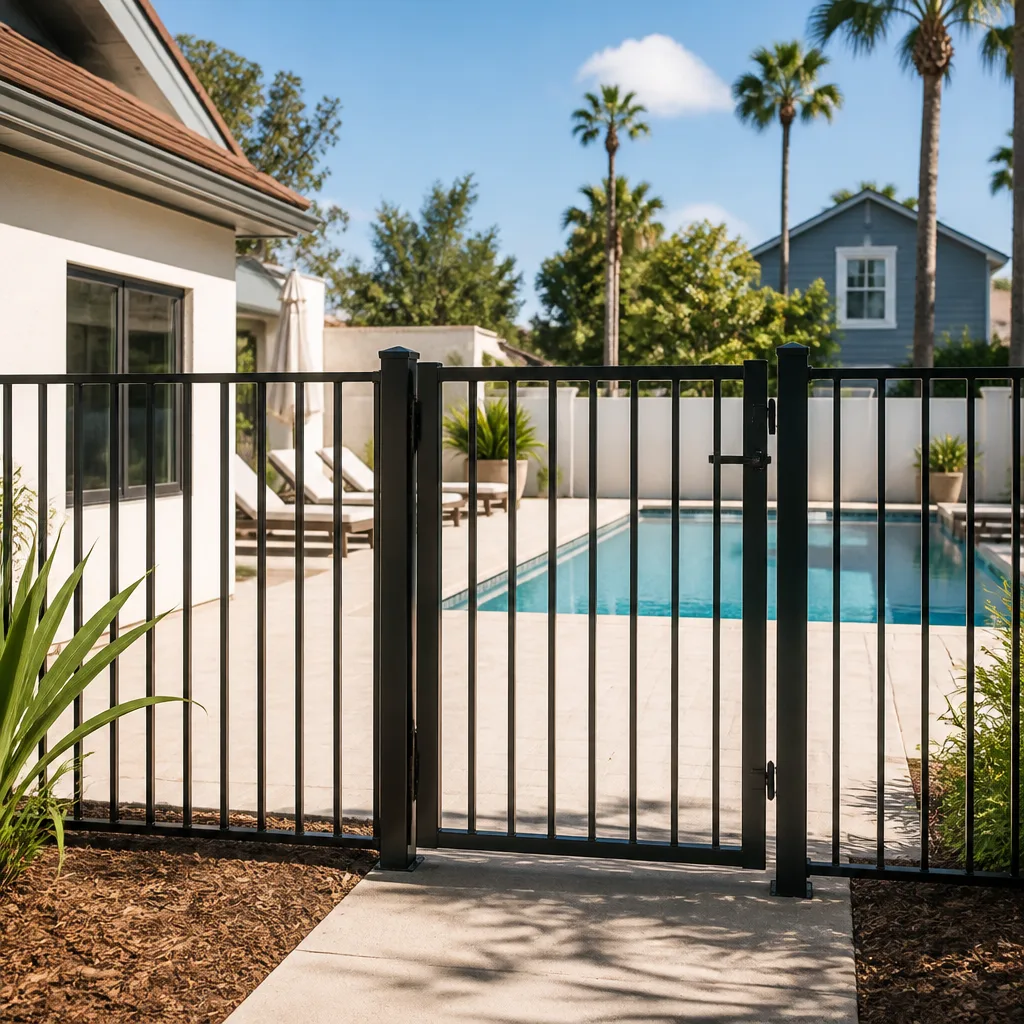
A full wood fence replacement in Enterprise runs $3,500 to $9,000 for a typical residential lot, depending on length, material, and site conditions. A solid fence is one of the most property-visible exterior investments you’ll make, and doing it right the first time saves a replacement cycle down the road. If your wood fence is past salvage - rotted posts, warped boards, leaning sections - you’re better served with a proper rebuild than patching. Compare that to the alternates: vinyl fence installation in Enterprise and aluminum fence installation in Enterprise both run $3,500 to $9,000 and $4,000 to $10,000 respectively, so the price gap is narrow. We lay out material, footing, and warranty clearly before we start, and generous line-item pricing means you see what you’re paying for.
The 730-Day Done Right Promise, Explained
Wood fences fail from post and attachment problems more than from board failure. If a post leans or a run warps in the first two years, that’s on us. Our 730-Day Done Right Promise covers workmanship, so if the post rotation, footings, or board attachment goes wrong, we make it right. For homeowners who’ve been burned by a contractor who vanished after the check cleared, having a written two-year standard from day one matters. Our technicians have up to 12 years of experience, and every job is completed to spec with a live person answering the phone 24/7 - call any hour and you’ll reach a human, not voicemail. For a closer look at how we build a fence and what materials we spec, see our Fence Installation service page.
FAQs
Realistically 7 to 10 years without maintenance in Enterprise, and 15 to 18 years with annual staining, proper post sealing, and a moisture break at the base. Enterprise’s extreme heat, high UV, and alkaline caliche soil wear wood faster than the national average you’ll find on most guides. Call (844) 797-4406 for an honest assessment of what your fence has left.
Cedar outlasts pine here primarily because it handles UV and moisture better, but only if it’s stained on a 2 to 3-year cycle and set on proper footings. Pine is a reasonable, lower-cost option if end grain is sealed and the post base is correctly built. For most Enterprise homeowners, cedar plus a solid stain cycle is the better long-term value. Call (844) 797-4406 for a fence material consultation.
Every 2 to 3 years for stain, and reseal in spring before monsoon season so the coating is fully cured before flash-flood weather arrives. UV exposure here is intense enough that coated boards still degrade noticeably between cycles. A properly timed stain cycle is the single biggest factor in whether a fence hits 7 years or 18. Call (844) 797-4406 - estimates are free.
Most standard wood fence repairs can be handled in a single visit, but full replacements and post replacements usually need more than one day on-site. We give you a real timeline when we assess the fence. Call (844) 797-4406 for current availability.
Get a Free Wood Fence Assessment in Enterprise
Wondering whether your fence has years left or needs a rebuild? Groundwork Construction Co. of Enterprise offers a no-pressure assessment in Enterprise, with upfront pricing, live-person calls 24/7, and 0% financing for 18 months plus $1,000 off projects over $10,000. Call (844) 797-4406 today and we’ll tell you straight what your fence needs.
Written by the team at Groundwork Construction Co. of Enterprise, serving Enterprise, NV.